
Nothing Found
Sorry, no posts matched your criteria
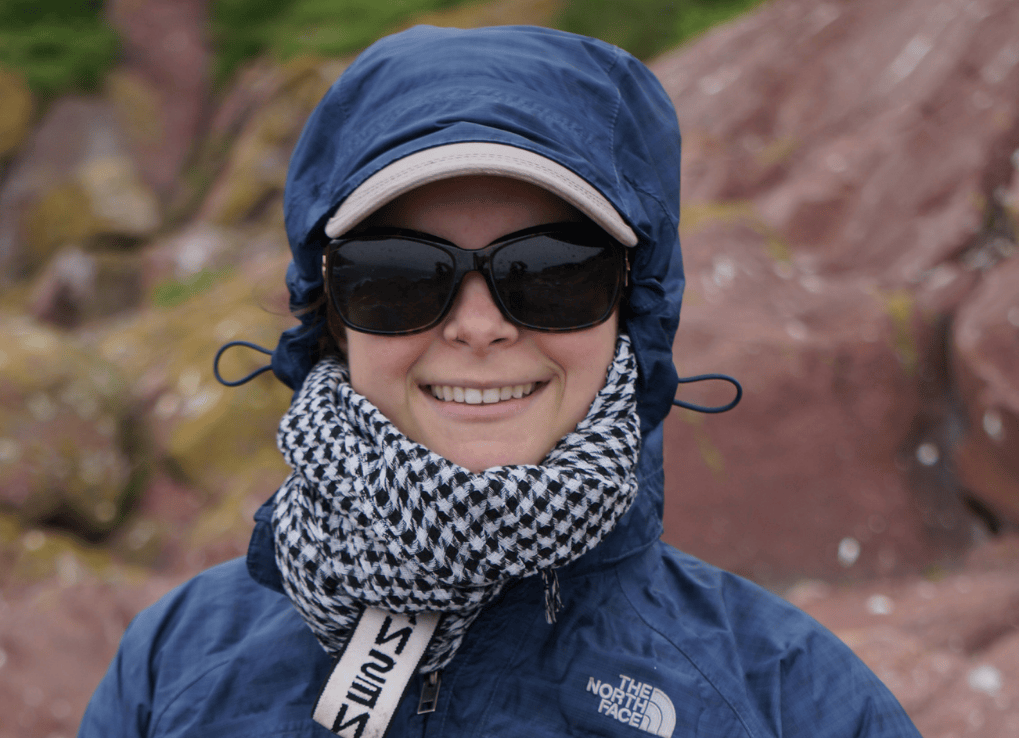
What is the Canada’s New Noah Program? Since 1988, the Canada’s New Noah program has provided young conservation biologists in Canada the opportunity of a lifetime. Each year, WPC selects a dedicated biologist from applicants across Canada to undertake a 3-month course at the Durrell Conservation Academy in the U.K. followed by a 6-month internship on the islands of Mauritius and Madagascar in the Indian Ocean. This is an opportunity unlike any other for young Canadians to learn firsthand how the world’s most successful conservation recovery programs are managed and to bring this knowledge and experience back to improve Canada’s conservation capacity. The Canada’s New Noah Program is generously supported by the Alan & Patricia Koval Foundation.
As this year’s “Canada’s New Noah” scholarship winner, Laura shares her wildlife conservation field work with us from Mauritius. See more of her posts here.
One of the things I’ve found the most interesting about living in Mauritius is that their entirely extinct dodo bird, Raphus cucullatus, is everywhere. It starts when the entry card you fill out on your flight is covered in dodo drawings. Shops sell row upon row of tiny dodo figurines in all shapes and sizes, dodo jewelry, dodo towels, dodo shirts, dodo rum, and products stamped with the colourful icon “Made in Dodoland”. You can stay at Dodo Apartments, grab at beer at Flying Dodo brewery, and even play the Mauritius-themed escape game Dodoquest, in which you can Save the Last Dodos and find a dodo egg.
But you cannot…actually see a dodo. They’ve been gone since about 1690. Except apparently in the minds of googlers, as “related searches” that pop up include “where do dodo birds live” and “dodo found 2015”. You could be forgiven for thinking the dodo is alive and well, however. It is a powerful and well-loved symbol. A stylized dodo is the logo for Durrell Wildlife Conservation Trust. Their latest campaign used “The Lonely Dodo“, a tragic solitaire-playing cartoon, to fundraise for their endangered species projects. David Quammen used it in his book, poetically describing the kind of one-last-sad-dodo-dies-alone-in-a-cold-cave situation that makes conservationists feel like throwing up. This one extinct species has fascinated magazine writers, blogging scientists, academic researchers, and definitely Mauritians. Why, though? Of all the unique species Mauritius lost, at first glance it seems like an unlikely pick:
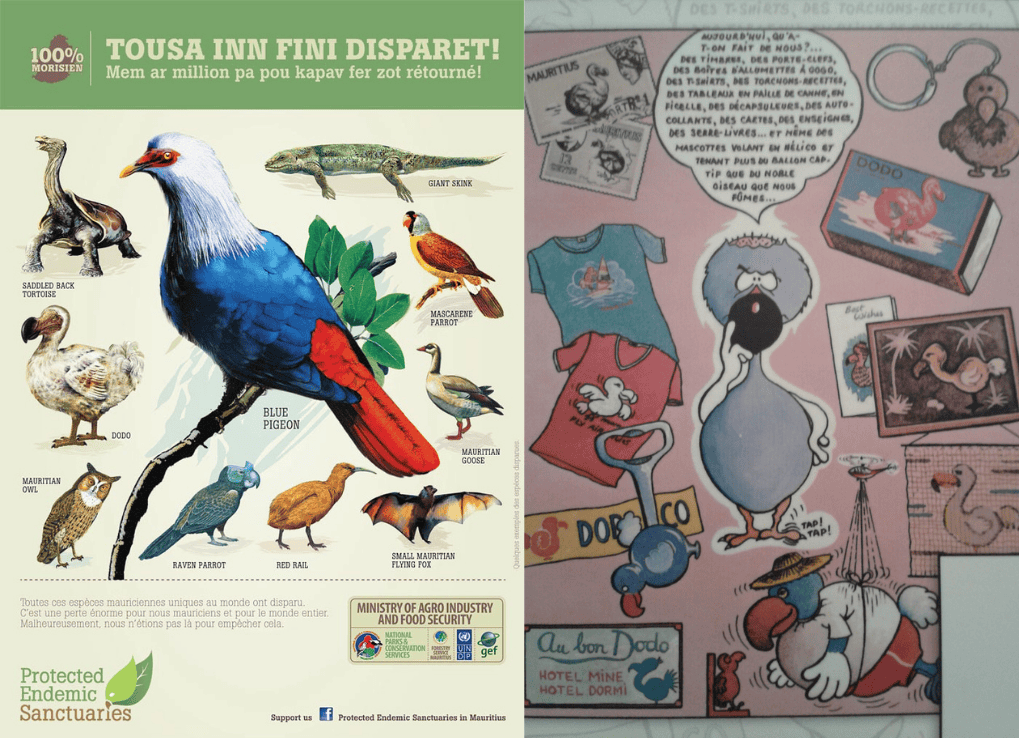
(Left) A poster (in Mauritian Creole and French) produced by the Mauritian government featuring some of the country’s extinct species like the Mauritian owl, raven parrot, red rail, Mascarene parrot, saddle-backed tortoise, giant skink, blue pigeon, and of course…the dodo. From the National Parks and Conservation Service(NPCS), Mauritius. (Right) Another unhappy cartoon dodo, but this time it’s because he’s been turned into keychains, matchboxes, t shirts, etc…
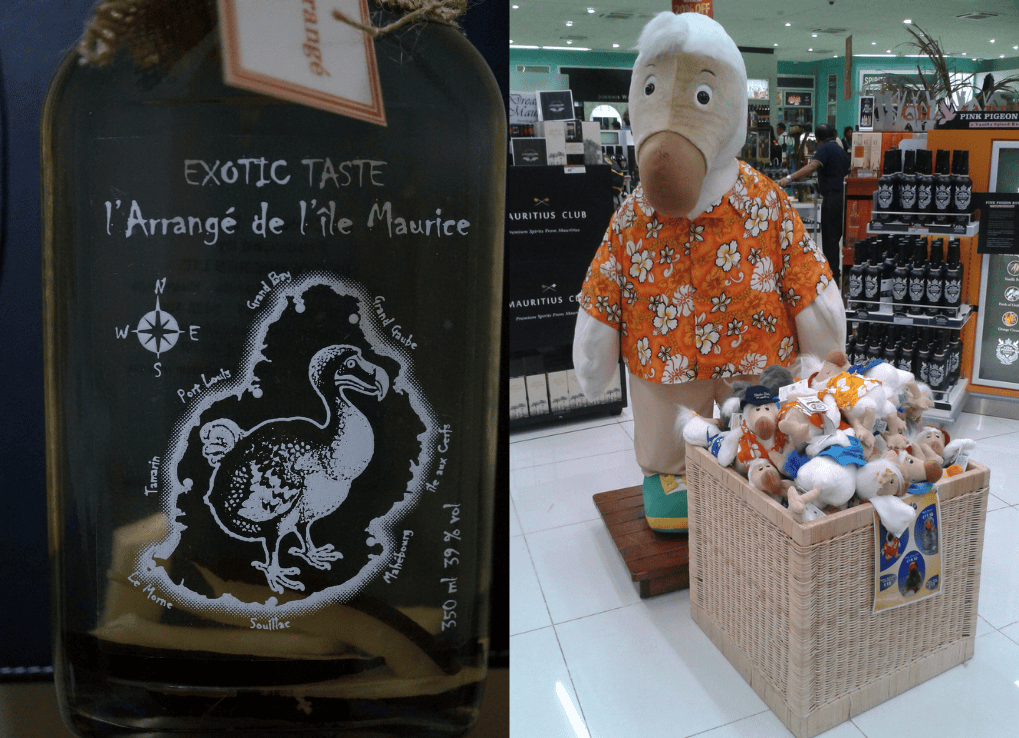
(Left) “Rum arrangé” (infused rum). (Right) Stuffed dodos galore. But also, in the background, Pink Pigeon Rum…
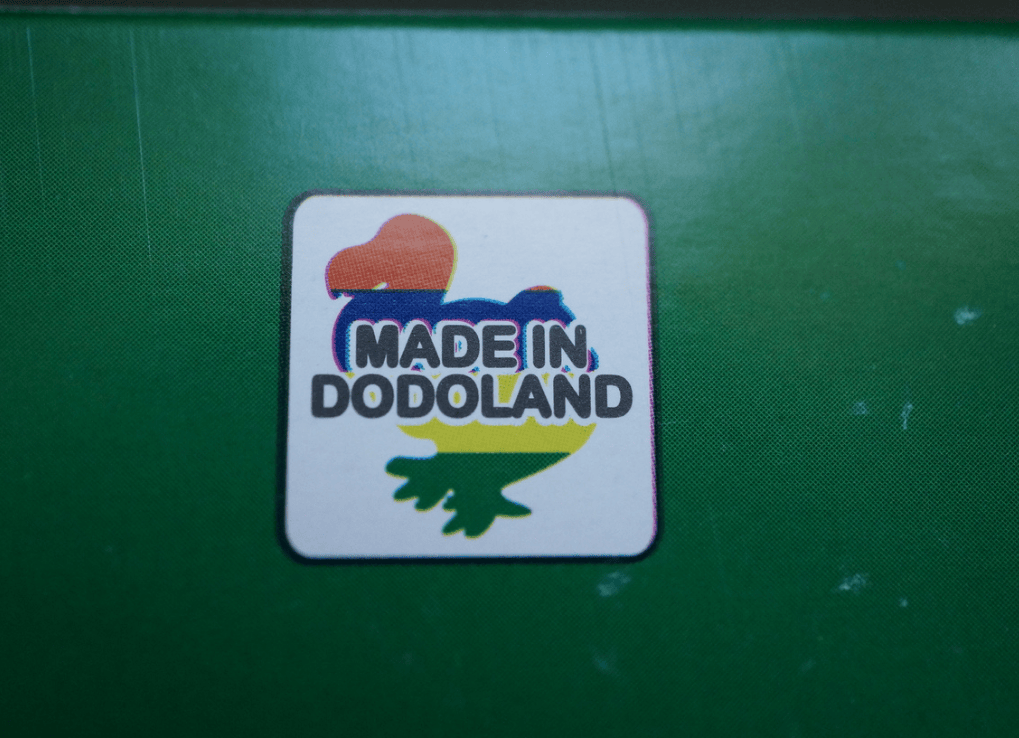
Dodoland, with the flag of Mauritius.

(Left) Anything you can buy, you can buy with a dodo on it. (Right) Dodo socks, because….why not?
*After I wrote this I realized how terribly old that idea makes me seem. As much as I liked wildlife trading cards (yeah, I had a pretty exciting childhood), the idea of kids standing around with little pieces of paper now is just…quaint. What we’d actually need to do is put them into something along the lines of Pokemon Go…
Sources & further reading
I am very grateful to have been chosen by Wildlife Preservation Canada for this unique award and excited to take on new challenges in conservation. I hope that the program will help me grow as a biologist and prepare me to take on effective environmental projects no matter where I am. As a huge fan of science communication, I’ll be sharing my work in Mauritius on Twitter @LaurasWildLife – follow along to join me in this adventure and hopefully see some of my successes from the field!
Sorry, no posts matched your criteria
We need your help