

Collaborating to save at risk snakes
Publié leavril 8, 2021parConservation de la faune au Canada|Blogs, Planification de la conservation
Qu'est-ce que l'Initiative pour les reptiles et les amphibiens? Au Canada, aucun groupe de faune ne court un risque d'extinction plus grave que les reptiles et les amphibiens. Selon le Comité sur la situation des espèces en péril au Canada (COSEPAC), plus de 40 espèces d'amphibiens et de reptiles sont actuellement menacées ou en danger. Plus d'un tiers de ces espèces ont besoin d'une intervention directe pour survivre. Notre programme national des reptiles et des amphibiens développe et promeut les meilleures pratiques pour quatre techniques clés de conservation : la translocation, l'élevage préalable à la libération, l'élevage de conservation et les interventions in situ. Nous amplifions l'impact des groupes de partout sur le continent qui travaillent à la protection de ces espèces très menacées.
In March, the Initiative canadienne pour les espèces (CSI), co-founded by WPC and African Lion Safari, in partnership with the IUCN Species Survival Commission Conservation Planning Specialist Group successfully hosted their first integrated species conservation planning workshop. An amazing group of over 60 experts including zoo staff, government and First Nations representatives, academics and other species experts from across Canada, the United States, and Mexico came together virtually for three days to discuss the ex situ conservation options for all snakes in Canada.
An Integrated Collection Assessment and Planning (ICAP) workshop brings in situ et ex situ communities together to apply the decision-making process of the IUCN Guidelines for the Use of Ex Situ Management for Species Conservation. In a rapid species-by-species approach, the process identifies priorities for ex situ conservation activities by evaluating the conservation value, feasibility, and risk of potential ex situ roles. This was the first time that an ICAP workshop was hosted virtually and aside from a few, very minor issues (you know the usual tornado warnings, school suspensions, and, of course, computer crashes) we managed to pull it off!
Hands-on conservation-based education, training, and research actions were identified as priorities for almost all Canadian snakes, while in-depth ex situ conservation programs, for example population reinforcement, were identified for several highly at-risk species. Actions identified in the workshop will complement in situ conservation efforts and CSI is looking forward to continuing to work with the Canadian herpetological community to move these efforts forward. The final workshop report will be released this summer and updates on CSI’s activities will be posted to the Canadian Species Initiative website.
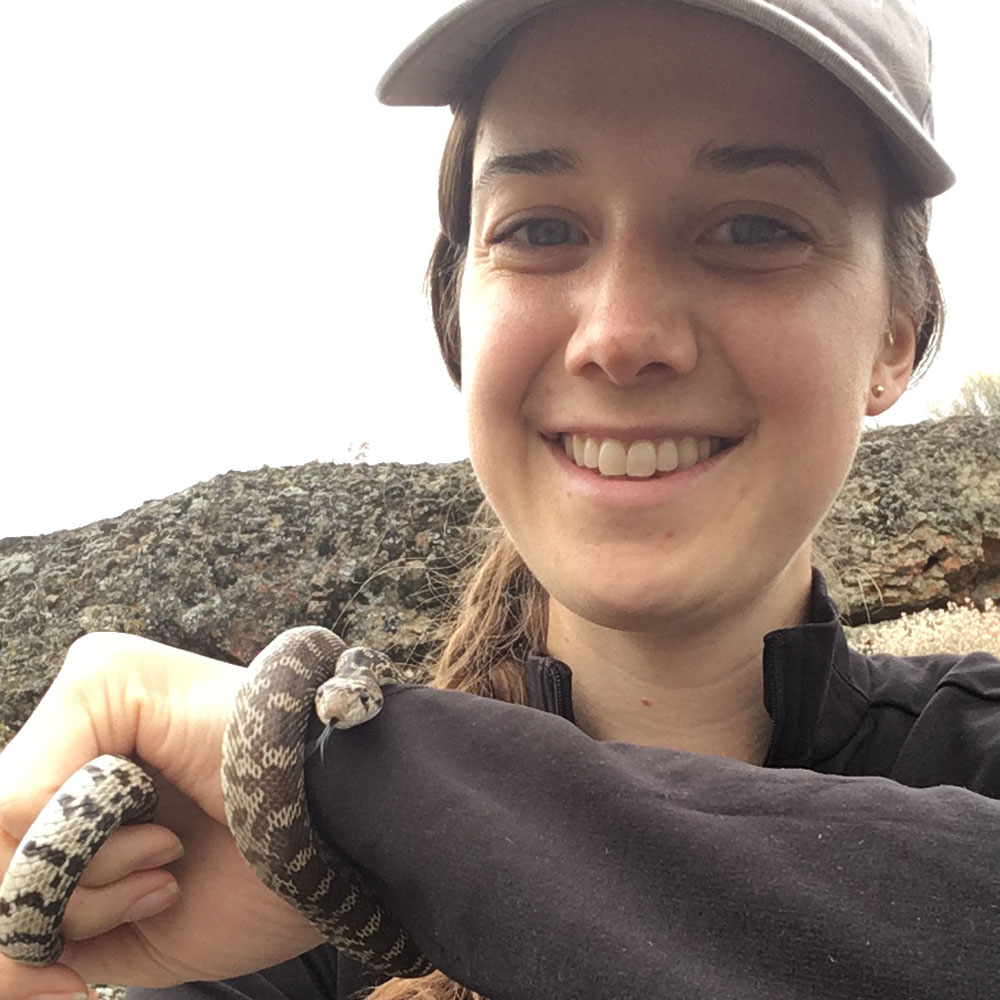
Stephanie is the 31st Canada’s New Noah and is currently assisting the Canadian Species Initiative to build capacity for species conservation planning in Canada. Stephanie holds a master’s degree in conservation biology from Thompson Rivers University where she studied the impacts of road mortality on a threatened rattlesnake species. She has extensive experience working in conservation and research for species at risk reptiles, amphibians, mammals and birds in Western Canada.
Sorry, no posts matched your criteria
Nous avons besoin de votre aide