Scat Scrutiny: Analyzing bumble bee poop
Publié lejuin 19, 2024parTaylor Kerekes
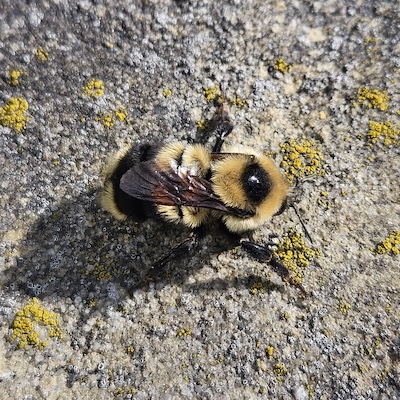
Depuis les années 1990, les populations de bourdons sont en chute libre, ce qui représente une véritable catastrophe écologique. Quatre-vingt-dix pour cent de toutes les plantes à fleurs — y compris la plupart des fruits et légumes dans votre réfrigérateur — ont besoin de ces pollinisateurs pour se reproduire.
Jusqu'à ce que les causes de ces déclins puissent être inversées, l'élevage de conservation et la réintroduction sont la seule façon de protéger les bourdons en péril. Aujourd'hui, CFC est la seule organisation au Canada à reconstruire les populations d'abeilles sauvages grâce à l'élevage de conservation. Grâce à des percées récentes, nous avons trouvé comment augmenter considérablement le nombre de reines que nous produisons. Une fois relâchées dans la nature, elles peuvent établir leurs propres colonies, produisant des centaines de pollinisateurs pour soutenir les écosystèmes qui les entourent.
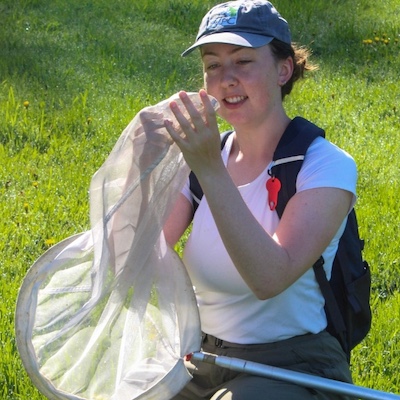
Welcome to a behind-the-scenes look at the fascinating world of our Bumble Bee team! Our dedicated researchers are on a mission to monitor parasites in both wild bumble bee populations and our lab colonies. This crucial work not only helps us understand the presence of parasites in the wild but also ensures that our lab bees are thriving and healthy. Here’s a peek into our process!
Why is this necessary?
Understanding the distribution of these parasites is crucial for protecting wild bumble bee populations. Parasite infections can weaken colonies, affecting their ability to thrive and reproduce. For our Conservation Breeding Lab, it’s equally important to ensure that the bees we raise are healthy. This way, when they’re eventually released back into the wild, they have the best chance to flourish and support healthy ecosystems.
By studying these tiny, yet impactful, parasites, we are contributing to the broader effort of bumble bee conservation. Our research not only sheds light on the challenges facing wild bees but also helps us maintain robust, parasite-free colonies in our labs.
Together, we’re working towards a healthier future for bumble bees and the vital roles they play in our environment.
Taylor joined the Native Pollinator Initiative in June 2023 and manages the native pollinator recovery program across Canada. Taylor was introduced to the world of bees during her BSc in Biology at York University. She is currently wrapping up her MSc at York University which focused on bumble bee abundance, diversity, and floral use. With this knowledge she hopes to continue to support pollinator conservation across Canada.

Nous avons besoin de votre aide