Les sols forestiers vivants : les éphémères printanières et leurs pollinisateurs indigènes
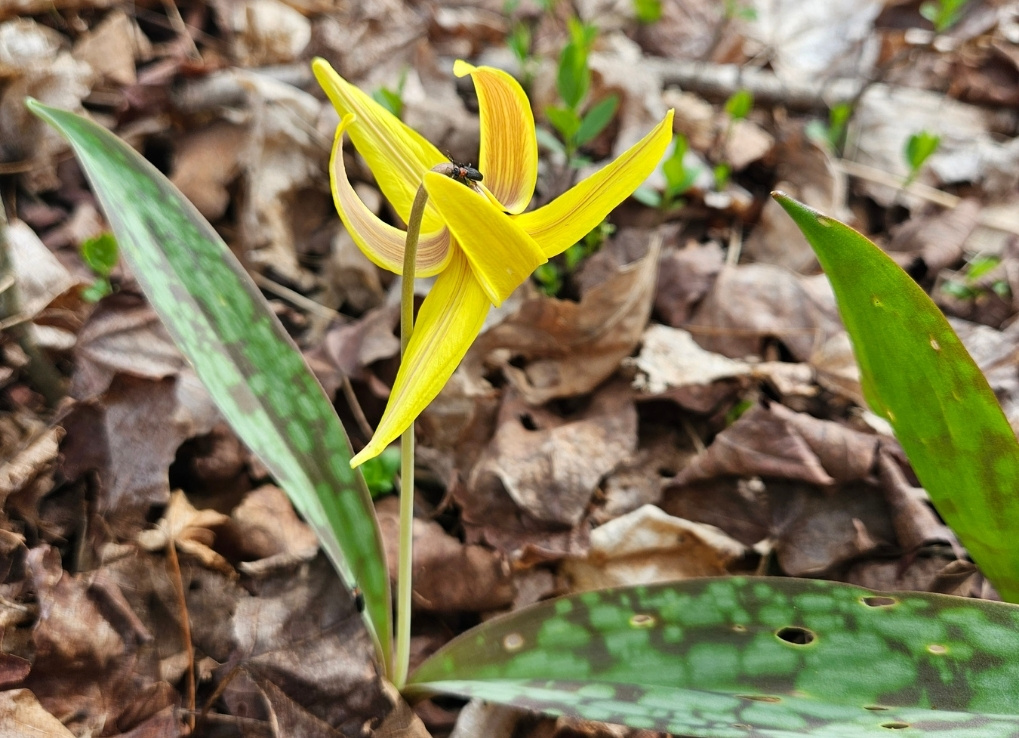
Publié le2 avril 2026parAnnika Wilcox| Photo: l'Érythrone d'Amérique avec un scarabée, A. Wilcox.
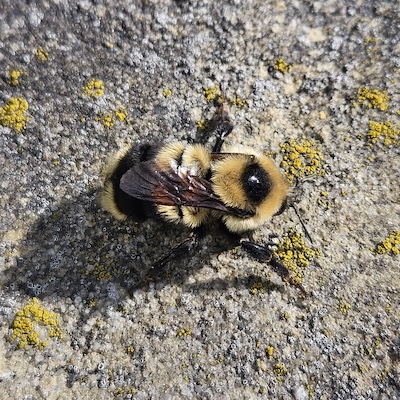
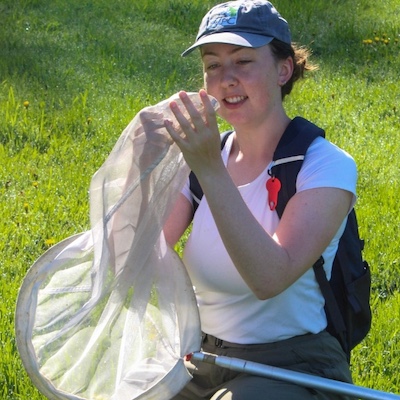
Qu'est-ce que le Programme de rétablissement des bourdons? Depuis les années 1990, le nombre de bourdons a chuté de façon spectaculaire, ce qui représente un désastre écologique. Ici, à Conservation de la faune au Canada, nous travaillons à prévenir la disparition des espèces de bourdons en péril en les surveillant à l'état sauvage, en les élevant pour les relâcher dans notre laboratoire de conservation en Ontario, et en étudiant leurs excréments pour y trouver des parasites ! Nous organisons même des événements spéciaux de science citoyenne à travers la province pour suivre la taille des populations, localiser les populations en déclin et offrir des programmes de formation pratiques dans le but d'élargir nos efforts à travers le Canada. Nous sommes la seule organisation au pays à travailler à rétablir les populations de bourdons en péril grâce à l'élevage de conservation.
Bonne saison des fleurs sauvages ! Plus précisément, bienvenue dans cette merveilleuse période de l'année où nous partageons nos espaces boisés avec les éphémères printanières, ces fleurs sauvages des sous-bois qui profitent de la brève fenêtre d'ensoleillement après la fonte des neiges mais avant que la canopée forestière ne se referme. En quelques courtes semaines seulement, ces fleurs émergent, fleurissent et produisent leurs graines avant de disparaître à nouveau jusqu'à l'année prochaine.
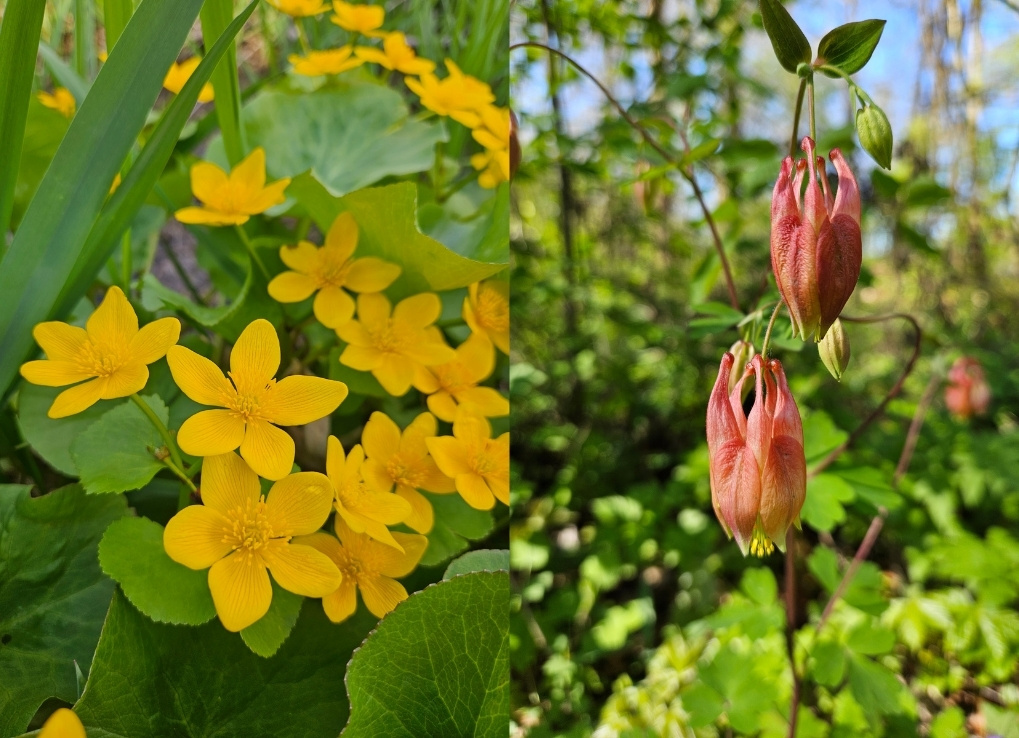
(Gauche) Populage des marais (Caltha palustris), une éphémère printanière que l'on trouve dans les prairies humides, les zones humides et les berges de ruisseaux partout au Canada et jusqu'aux États-Unis. Le populage des marais est principalement pollinisé par les syrphes, les bombyles et les petites abeilles indigènes comme les abeilles sudorales et les abeilles minières. Photo d'Annika Wilcox. (Droite) Ancolie du Canada (Aquilegia canadensis), une belle fleur éphémère dont le principal pollinisateur est le colibri à gorge rubis ! Photo d'Annika Wilcox.
Parmi les éphémères printanières les plus connues, on trouve les délicates fleurs blanches de la sanguinaire du Canada (Sanguinaria canadensis), les fleurs jaunes penchées du lis truite (Erythronium americanum) et les minuscules fleurs roses rayées de la claytonie de Virginie (Claytonia virginica). Bien que la composition exacte des espèces varie d'une région à l'autre, beaucoup de ces fleurs hâtives se trouvent dans les boisés à travers le Canada. Leur brève apparition transforme le sol de la forêt en un patchwork de couleurs, juste au moment où l'hiver desserre enfin son emprise.
Mais aussi belle que soit cette vision pour nous, ces fleurs ne fleurissent pas pour nous. Le début du printemps est une période difficile pour les insectes : les températures sont encore fraîches et le nectar et le pollen se font rares. Les éphémères printanières contribuent à combler ce manque, en fournissant certaines des premières sources de nourriture fiables de la saison.
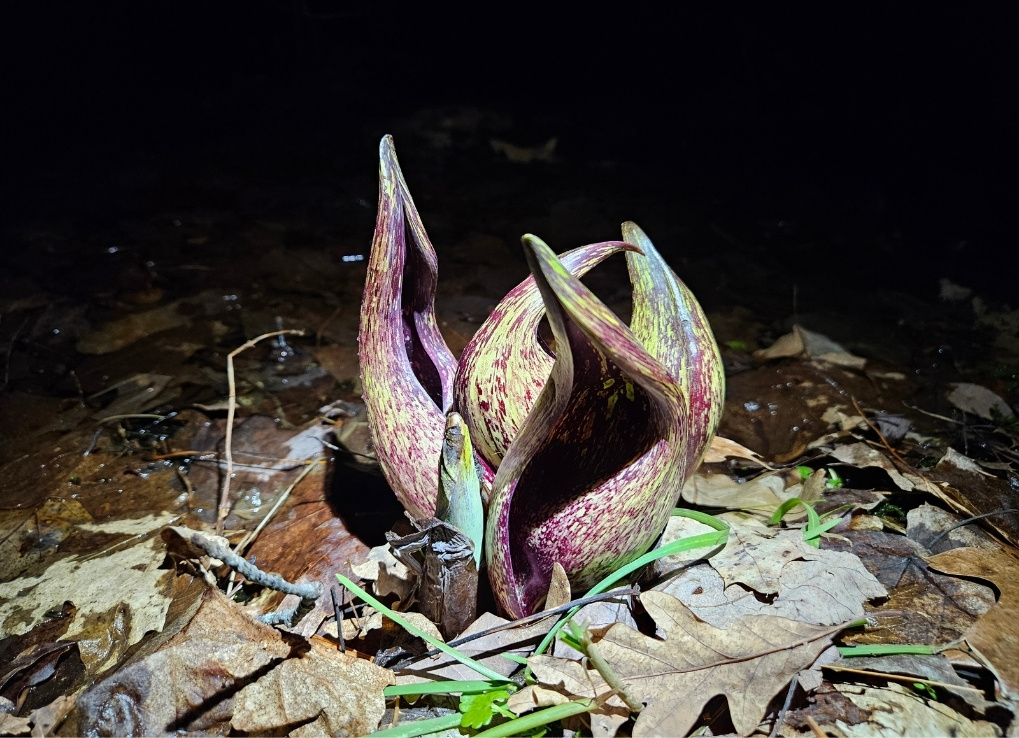
Chou puant (Symplocarpus foetidus), une plante à l'allure extraterrestre spécialisée dans les zones humides de l'est, dont les feuilles sentent la mouffette lorsqu'elles sont froissées. Photo d'Annika Wilcox.
L'une des premières fleurs à apparaître ici dans l'est du Canada est l'étonnant chou puant (Symplocarpus foetidus). Bien avant que la plupart des fleurs n'apparaissent, le chou puant pousse à travers le sol humide des marécages et des suintements forestiers. Son capuchon marbré de violet entoure un dense groupe de petites fleurs et dégage une odeur que beaucoup de gens comparent à… eh bien, une mouffette. Cette odeur n'est cependant pas un accident. Elle attire les pollinisateurs du début du printemps comme les mouches et les coléoptères, qui s'aventurent à l'intérieur du capuchon pour enquêter. Encore plus impressionnant que son odeur, le chou puant peut générer sa propre chaleur, faisant parfois fondre la neige environnante pour rendre ses fleurs accessibles à ces visiteurs par temps froid.
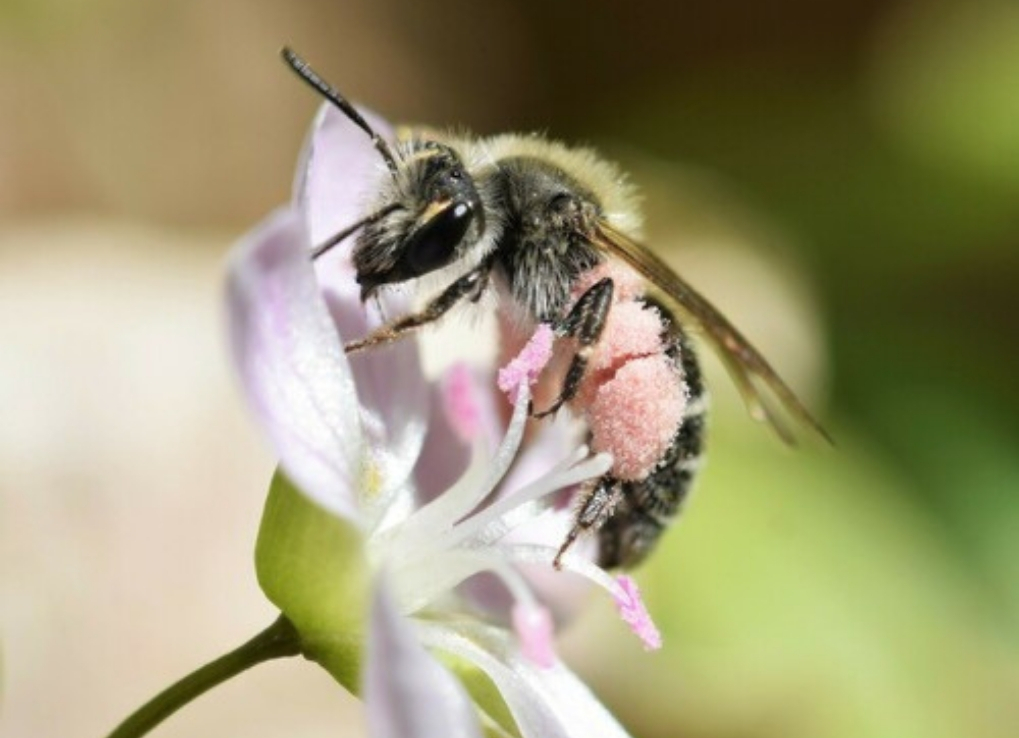
Andrène des claytonies (Andrena erigeniae), une petite abeille indigène qui s'est spécialisée dans la fleur de claytonie de Virginie. Photo de Riley-Brendan Walsh sur iNaturalist.
À mesure que la saison se réchauffe légèrement, les abeilles commencent à rejoindre le groupe. Un groupe qui profite pleinement de la floraison hâtive est celui des andrène des claytonies du genre Andrena. Ces petites abeilles qui nichent dans le sol émergent au début du printemps et sont particulièrement friandes des fleurs éphémères, certaines espèces étant étroitement liées à des plantes particulières. Par exemple, certaines andrène des claytonies se spécialisent dans la collecte de pollen des claytonies de Virginie, formant un partenariat qui existe probablement depuis des milliers d'années.
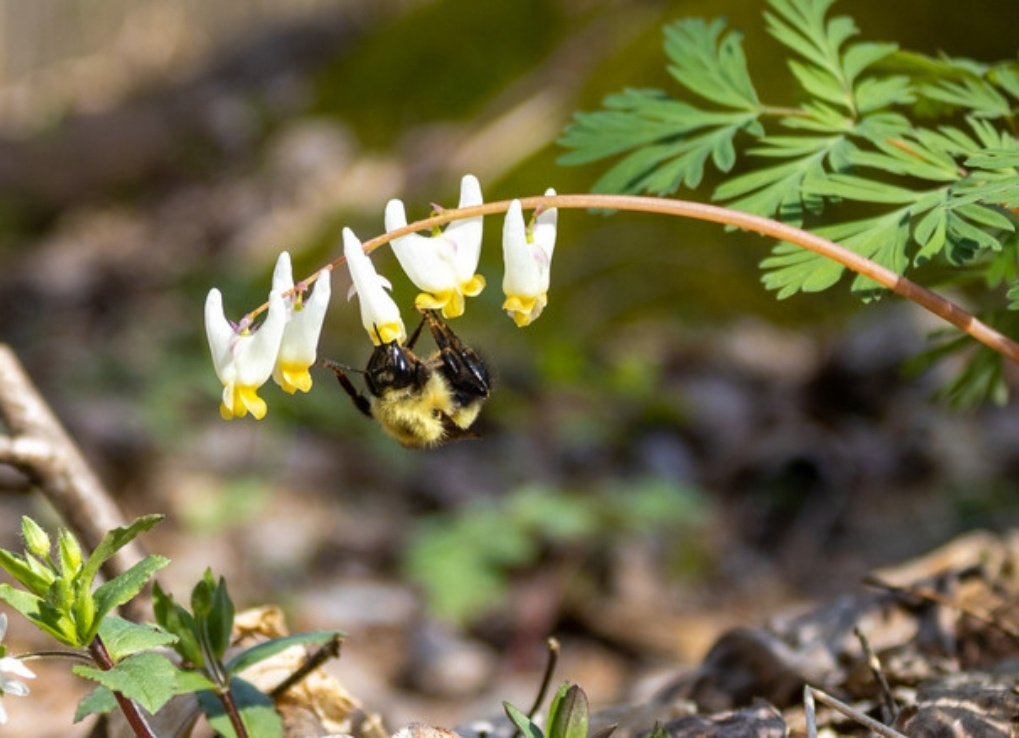
Dicentre à capuchon (Dicentra cucullaria), une belle éphémère des sous-bois qui fournit pollen et nectar bien nécessaires aux pollinisateurs indigènes comme les bourdons. Photo de Karen D Wade sur Shutterstock.
Si vous regardez de plus près le sol de la forêt, vous pourriez trouver du dicentre à capuchon (Dicentra cucullaria), nommé pour ses fleurs blanches à l'envers qui ressemblent à de minuscules paires de culottes suspendues sur une corde. Cette espèce produit du nectar profondément dans ses fleurs, ce qui la rend particulièrement attrayante pour les pollinisateurs à longue langue. En début de saison, les reines des bourdons sont parmi les rares insectes capables d'atteindre ce nectar, bien qu'elles prennent parfois un raccourci en grignotant un petit trou dans la fleur — un comportement connu sous le nom de vol de nectar.
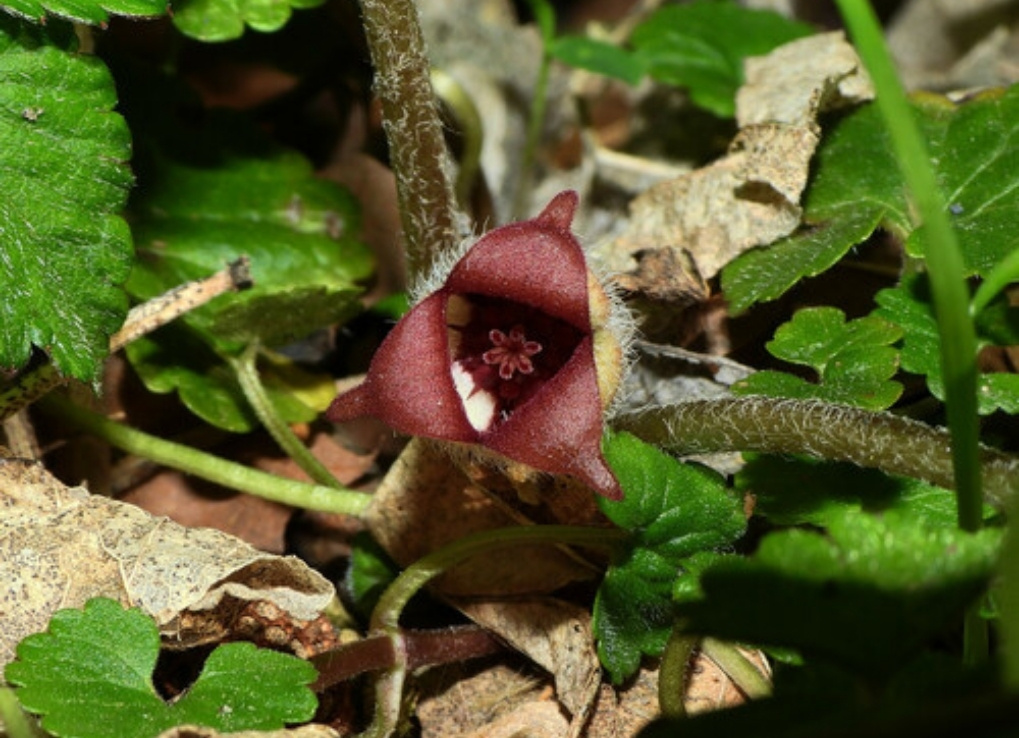
Gingembre sauvage (Asarum canadense), une éphémère couvre-sol dont les racines sentent et ont vaguement le goût du gingembre culinaire. Photo d'Emilio Concari sur iNaturalist.
Dans les lisières boisées plus ensoleillées, vous pourriez aussi trouver du gingembre sauvage (Asarum canadense), dont les fleurs bordeaux inhabituelles se cachent sous ses feuilles près du sol de la forêt. Plutôt que d'attirer les abeilles, le gingembre sauvage compte principalement sur les mouches et les coléoptères qui s'aventurent dans la fleur. Plus tard dans la saison, les fourmis aident à disperser ses graines, les emportant vers leurs nids grâce à un appendice nutritif attaché à chaque graine.
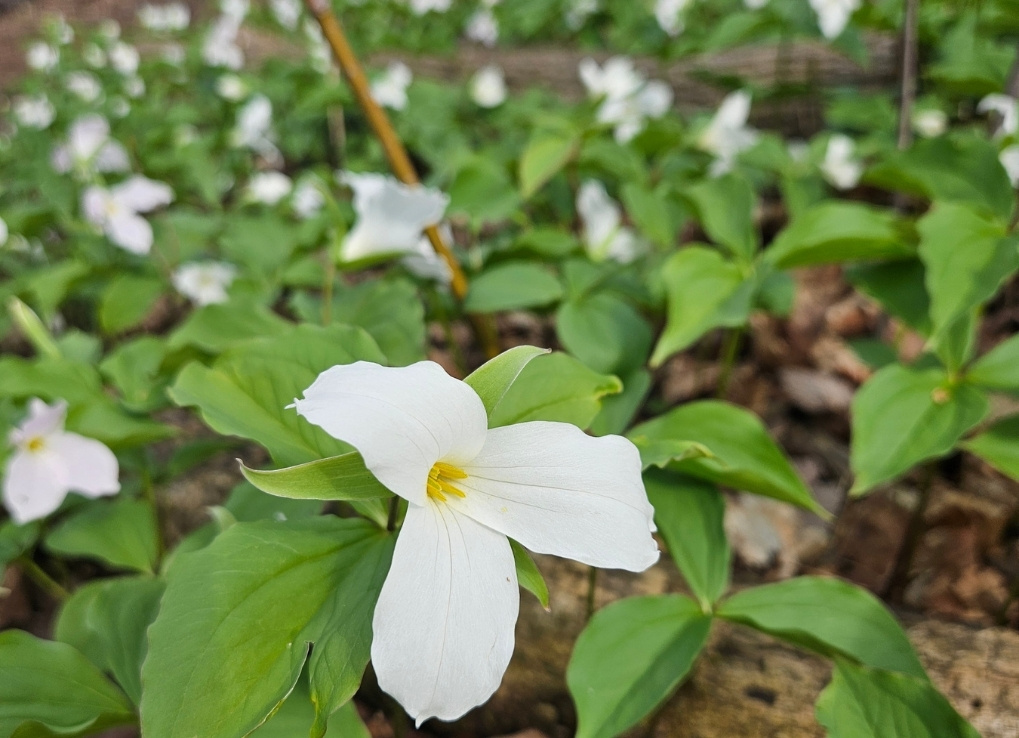
Trille blanc (Trillium grandiflorum). Bien qu'il soit la fleur officielle de l'Ontario, on le trouve partout dans l'est du Canada et aux États-Unis. Photo d'Annika Wilcox.
Sous la canopée forestière, l'emblématique trille blanc (Trillium grandiflorum) ouvre peut-être ses magnifiques fleurs à trois pétales. Contrairement à la plupart des fleurs que les bourdons visitent, les trilles blancs ne produisent pas de nectar. Cependant, ils compensent par leur abondant pollen, qui est une précieuse source de nourriture pour les insectes volant tôt, comme les bourdons. Fait intéressant, les trilles blancs sont effectivement pollinisés par la la pollinisation par vibrationla, une stratégie où les abeilles s'accrochent à la fleur et « bourdonnent », faisant vibrer leurs muscles de vol pour faire tomber le pollen.
En explorant vos boisés locaux ce printemps, regardez attentivement les fleurs qui pointent à travers la litière de feuilles, et tendez l'oreille pour entendre le bourdonnement des bourdons au travail. La floraison des éphémères printanières est brève, mais pour les chercheurs de fleurs enthousiastes et les pollinisateurs affamés du printemps, elle n'est rien de moins que magique !
Annika a rejoint l'équipe de CFC de la pie-grièche migratrice en tant que biologiste en recherche en 2025 avant de passer à l'Initiative pour les pollinisateurs indigènes en tant que coordonnatrice des programmes en Ontario. Elle possède une vaste expérience en sensibilisation environnementale, réhabilitation de la faune, et surveillance écologique des oiseaux, des amphibiens, des reptiles et des insectes à risque. Annika est titulaire d'une maîtrise en biologie intégrative de l'Université de Guelph, où elle a mené des recherches sur les facteurs limitants des zones humides agricoles restaurées comme habitat de reproduction pour les oiseaux, en mettant l'accent sur les espèces en péril.

Nous avons besoin de votre aide