Accueil
Blogue
À propos
Rapport annuel 2025
À propos
Rencontrez notre équipe
Nos donateurs et sympathisants
CFC dans la presse
Concours de Photo du Personnel 2025
Espèces en péril
Oiseaux
Mammifères
Insectes
Reptiles et amphibiens
Programmes
Prochain Noé du Canada
Planification de la conservation
Oiseaux
Mammifères
Initiative pour les pollinisateurs indigènes
Reptiles et Amphibiens
Impliquez-vous
Science citoyenne sur les bourdons
Travaillez avec nous
Ressources
Centre des médias
Ressources pédagogiques
Webinaires de CFC
Ressources sur les bourdons
Comment faire un don
Contact
Faire un don
English
French
Click to open the search input field
Click to open the search input field
Chercher
Menu
Menu
Faire un don
Je m'implique
French
French
English
Devenir biologiste de la conservation
Émerger dans une nouvelle opportunité
L'ingrédient secret pour avoir plus d'oiseaux
Le guide de survie ultime pour rester bien au chaud
Bien plus que de simples partenaires
Puissance de pollinisation, pas nuisible
Observation de célébrité
Les pollinisateurs méconnus de l'Ontario
Bee-yond the microscope
Surveying bumbles in transient landscapes
Transformation en cours
Recent research confirms: pollinators need our help
Everything you didn’t know about pollination and why bumble bees are the real MVPS
FREED: empowering BIPOC students for a future in ecology Part 2
How to feed a bumble bee colony
FREED: empowering BIPOC students for a future in ecology Part 1
Where are they now?
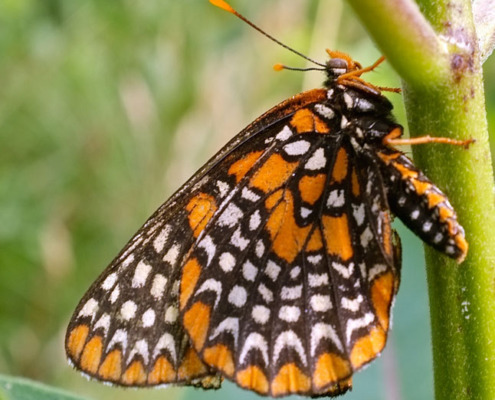
Adventures in Taylor’s Checkerspot Butterfly Surveys
Empowering communities for bumble bee conservation
Breeding native bumble bees in the lab
Buzzworthy pursuits: Finding rare and at-risk bumble bee species in Ontario.
What is the difference between butterflies and moths?
What is the difference between bees, flies and wasps?
A little bit of luck!
A decade of bumble bee surveys: Part 1 – Who, when, where, how?
Saving native bumbles – in the field and in the lab
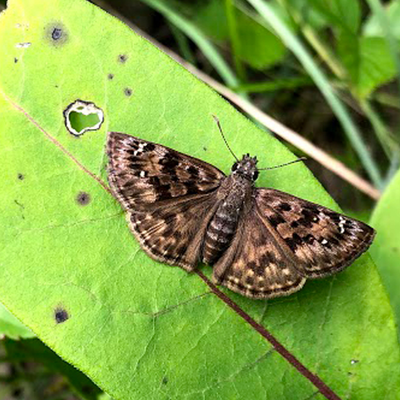
Second generation of duskywing butterflies anticipated!
What is the best part of being a Bumble Biologist?
Stumped: Why do bumble bees need forests?
Early emerging bumble bee species to look out for this spring
The unexpected links between declining bumble bee species
Top five highlights of the bumble bee season
Beyond workers: mating and overwintering bumble bees
Bumble bee field work: when a generalist meets a specialist
How are the bumble bees doing in southern Ontario?
How to help a butterfly
How Bumble Bee Watch supports conservation
What’s the buzz at WPC’s Bumble Bee Conservation Lab?
Breeding butterflies in BC
Saving an endangered butterfly
Nosing out nests – can detection dogs be used to find bumble bee nests?
The joy of spotting checkerspots & other butterflies
What insects are bees?
You don’t always find the bees that you’re looking for
Reinforcements have arrived!
Helliwell Provincial Park – native habitat for endangered butterflies
A bumble bee’s journey
What are the differences between honey bees and bumble bees?
The power of The Pinery
Bumble bee community science at The Pinery: Past, present and future
Going Lawnless for Native Pollinators
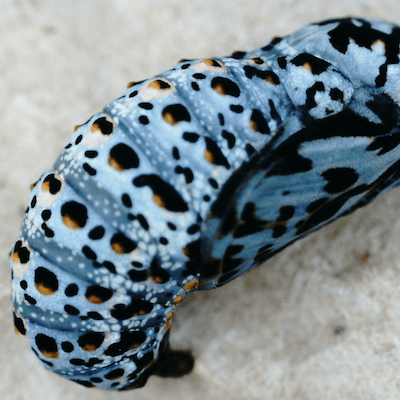
Do caterpillars wear toques?
The Beauty of the Butterfly
I love Taylor’s checkerspot!
Pollen and Bees Beelong Together
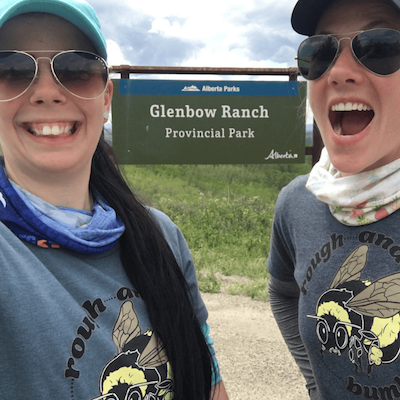
Time flies! Three years at Glenbow Ranch
Sweating (and appreciating) the small stuff
One Way or another! A search for Ontario’s bumble bees
Taylor’s checkerspot release on Hornby Island
One volunteer’s experience
Bumble Bee Surveys in a New Light
To sting, or not to sting?
Flying under the radar
Quest for Queens
Faire défiler vers le haut
Faire défiler vers le haut
Faire défiler vers le haut
imunify-bot-check
 Faire défiler vers le haut
imunify-bot-check
Faire défiler vers le haut
imunify-bot-check