Into the wild
Posted onJune 24, 2020byFraser Valley Wetlands Wildlife|Freshwater Turtles, News and Events, Western Painted Turtle

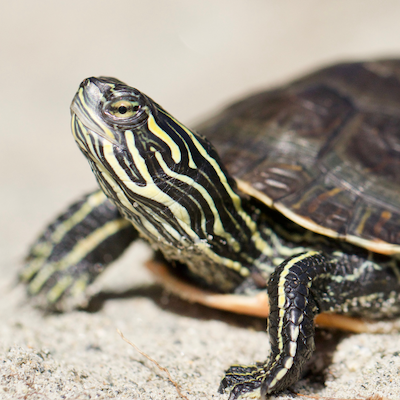
What is the Western Painted Turtle Recovery Program? In the wetlands of B.C.’s Fraser Valley, western painted turtles face many challenges, especially as eggs and tiny hatchlings. With no shortage of hungry predators and no care from their parents once they’ve hatched, only a few young turtles survive to become adults. When you add human activity to the mix, the rate of survival can be so low that a population becomes unsustainable. Since 2012, we’ve been working to improve those odds. In addition to protecting nests, we collect eggs from vulnerable turtle nests, artificially incubate them and head-start new hatchlings before releasing them back into the wild.
Since 2012, WPC has been working to save western painted turtles from disappearing in British Columbia. The only other species of native freshwater turtle in BC, the northern pacific pond turtle, has already disappeared from Canada, while the western painted turtle has dropped to such low numbers in many sites that their only hope for survival rests on the direct, hands-on conservation action at which WPC excels.
A conservation breeding population of western painted turtles was established, which includes headstarting hatchlings for at least a year, until they are too large to be eaten by their major predators, including bullfrogs that have been introduced to British Columbia. Michelle McKenzie reports here on progress so far this season.
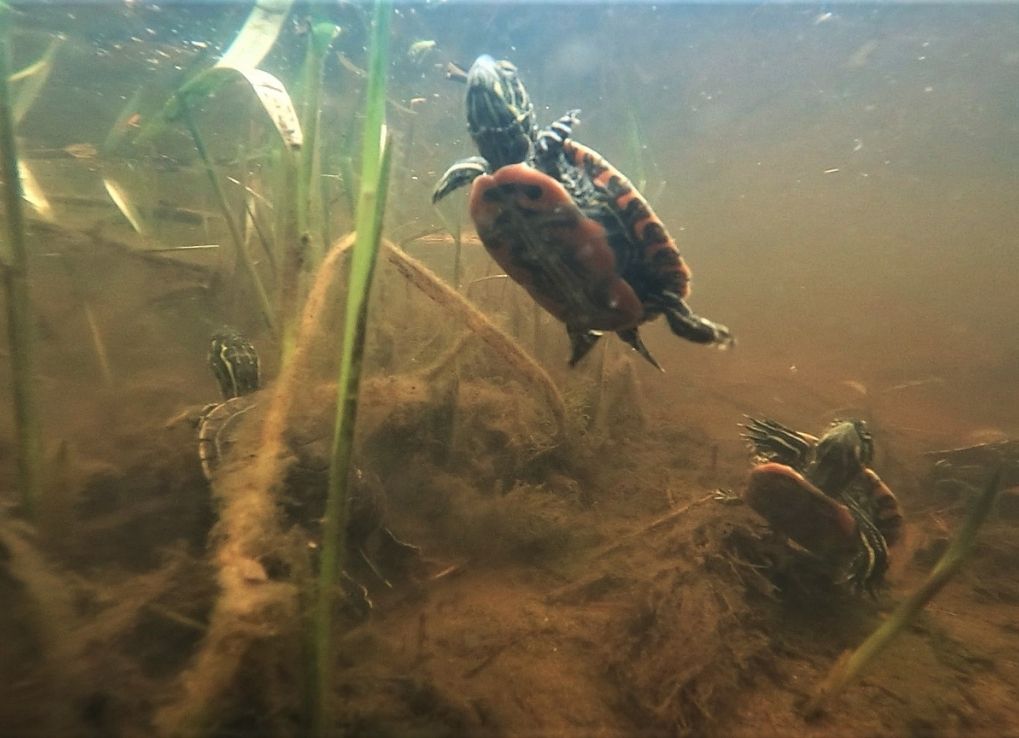
Little western painted turtles showing off their colours as they take their first dip in their new forever home.
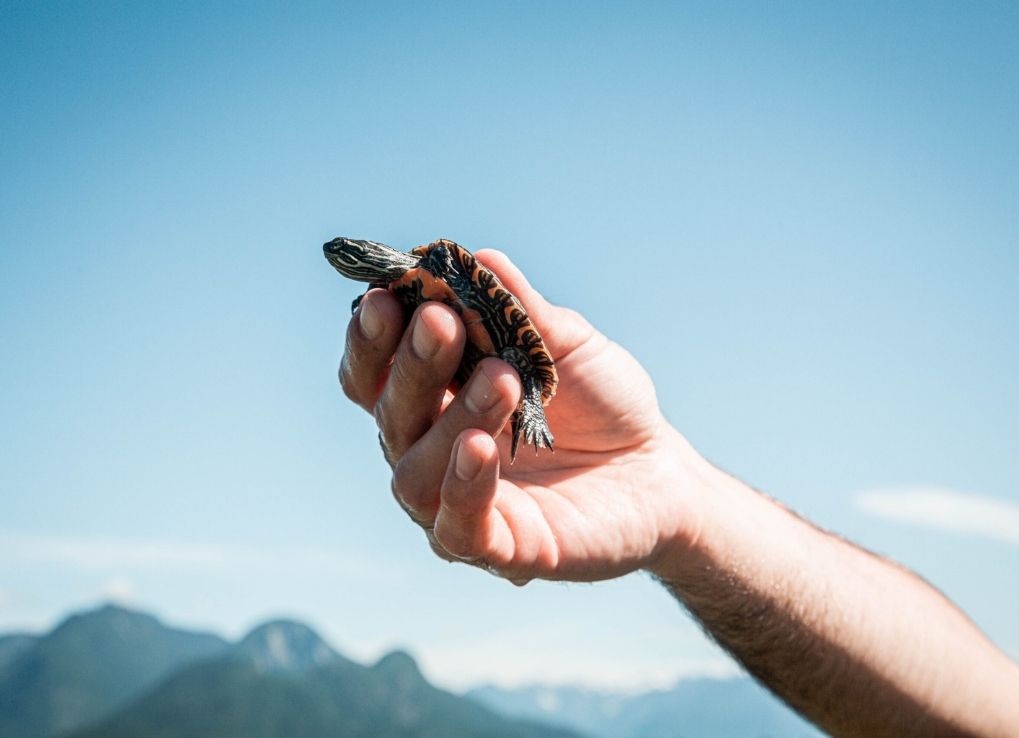
Spring is a very exciting and busy time for our turtle head starting program. One of the greatest joys of our job is being able to release our turtles in the wild! These are turtles that we have cared for since they were hatchlings. They stay in our care at our facility at the Greater Vancouver Zoo until they are 30 grams or greater, at which size they are safe from predation and have a much-increased chance at survival.
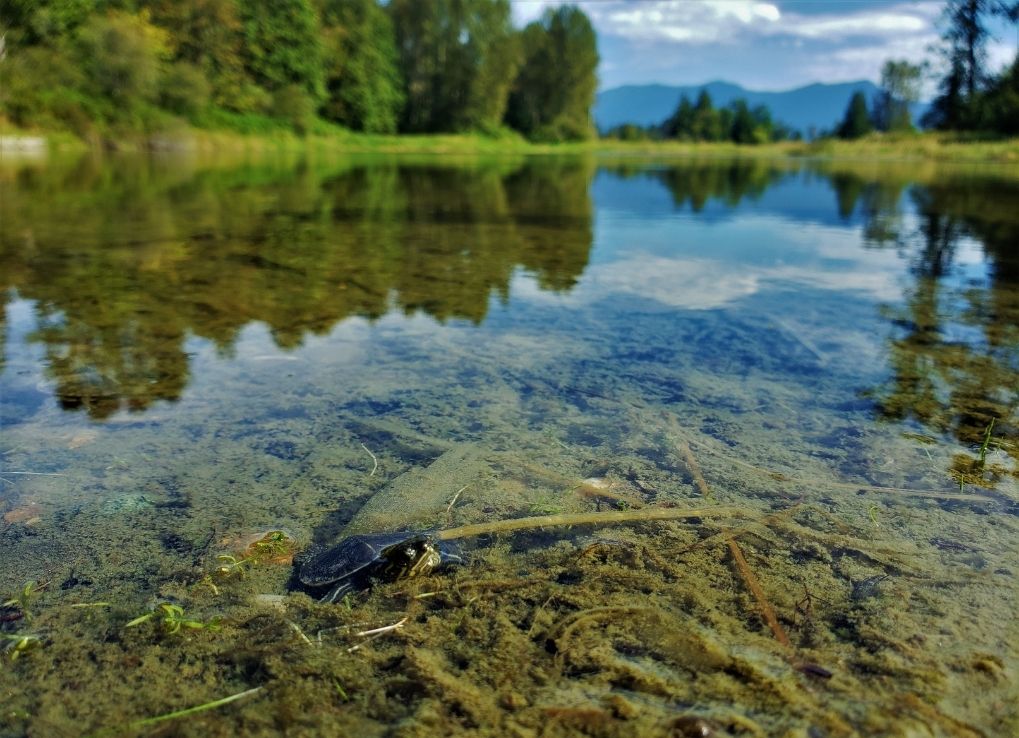
Every one of them is named and have a microchip that allows us to ID them. We also use their unique belly patterns to ID them. Like a fingerprint, every western painted turtle has a unique orange, black and white design on their plastron, or belly. Then, we release them in various locations across the Fraser River Valley, where they were historically prevalent and where we wish to re-establish robust breeding populations.
So far this spring we have released nearly 90 juveniles and will be releasing many more!
We will be filling the empty space with tiny, new arrivals, from eggs collected from nests at high risk, such as those on gravel boat ramps. These little hatchlings will in turn become headstarted juveniles and be sent back into the wild to help the recovery of this native turtle.
Michelle was born and raised in Alberta where she graduated from the University of Calgary with a bachelor’s degree in Zoology. She recently made the move to BC to continue to pursue her dream of being a conservation biologist.
We need your help