The “butcher bird” now has Bluetooth!
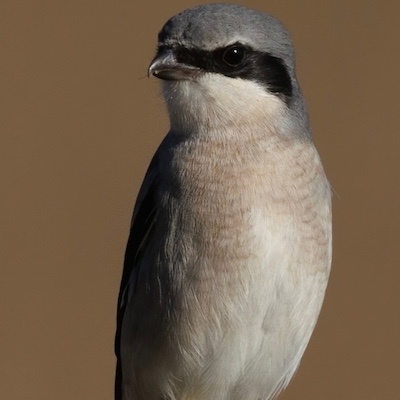
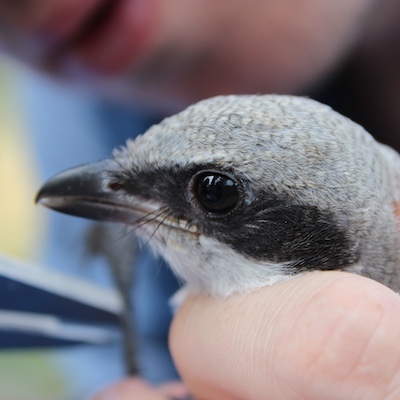
As part of our Shrike Recovery Program, our teams release conservation-bred eastern loggerhead shrikes into the wild. But not before giving them their very own radio tag! Radio-transmitter tags rely on a series of radio towers, called the Motus network.
Cellular Tracking Technologies (CTT) has created a radio tag that can provide some extra insight into where a species travels. These tags still use the Motus network, but they can also connect to any cell phone with Bluetooth and location services enabled. The tags use these services to access cell towers, granting more opportunities for the animal’s location to be detected. No personal information is accessed during this process, your connection is just being borrowed by science for a split second!
We are aiming to raise $12,000 by May 8 to help with the purchase of 25 CTT tags. By using these tags, we will gain further insight into the migration patterns of the eastern loggerhead shrike, what threats they may encounter on their journey, and how we can continue to protect this endangered population of birds.
Donate today to become part of the next chapter of our eastern loggerhead shrike program!
What is the Shrike Recovery Program?
Since 2003, Wildlife Preservation Canada has been leading the way for the recovery of the eastern loggerhead shrike. This unique songbird once rules altars from Manitoba all the way to New Brunswick, but after nearly disappearing forever in the 1990s, they are now limited to small pockets of Ontario. Through our direct, hands-on approach to wildlife conservation which includes breeding and releasing animals back onto the landscape, WPC has prevented this special songbird from vanishing.
Each year, WPC works with partnering organizations to breed these birds at world-class facilities. These birds are then introduced to their natural habitat after being given time to adapt to the wild in our soft release enclosures located in Napanee and Carden, Ontario.
Due to our cold winter weather, the Canadian population of eastern loggerhead shrikes migrate to someplace warmer and we are still learning where they migrate to, as well as their preferred route back home in the spring. Our field team relies on the use of radio tags to give us information about their journey.
Did you know?
CTT tags have even been used to track the migration of the monarch butterfly! Click here if you’re interested in learning more about the use of these tags with butterflies.