Why saving bees means saving their microbes
Posted onMay 26, 2026byChristine Macpherson
What is the Bumble Bee Recovery Program? Since the 1990s, bumble bee numbers have been plummeting and that spells ecological disaster. Here at Wildlife Preservation Canada, we have been working since 2014 to save at risk species of bumble bee from disappearing by monitoring them in the wild, breeding them for release at our conservation lab in Ontario, and studying their poop for parasites! Recently, the team has begun collaborating with researchers at the University of Guelph, including Christine Macpherson, to investigate the role that microbes might play in their overall health.
We live in a microbial world. When we look around, we see the obvious players: animals, plants, and fungi, but what our eyes show us is only a fraction of the real story. That story begins with Earth’s most ancient and foundational life forms: microbes. These tiny organisms inhabit nearly every corner of the earth, performing essential functions like producing the oxygen we breathe, breaking down harmful chemicals, and even digesting our food.
Bacteria are everywhere, and over evolutionary time many plants and animals have formed close symbiotic relationships with them. Bumble bees are an excellent example of these relationships, including the species that Wildlife Preservation Canada works to protect through their Bumble Bee Recovery Program. Because social bees live in extremely close contact and maintain overlapping generations, the microbes living on their bodies and inside their guts are easily transmitted and were able to evolve alongside them over millions of years. Their relationship began simply: bees provided microbes with food and protection; in return, microbes contributed to bee digestion, immune defense, and detoxification. Over time, genes encoding for functions that either partner could perform independently became redundant and unnecessary for survival. As a result, each partner lost what the other could provide, forming an interdependent functional unit.
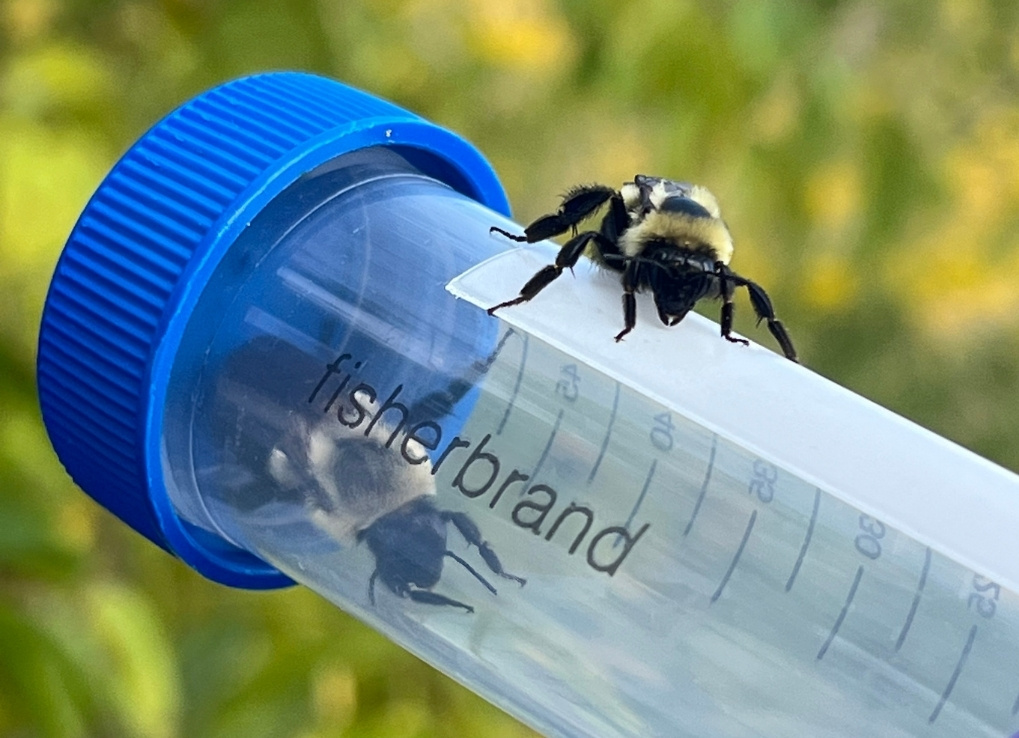
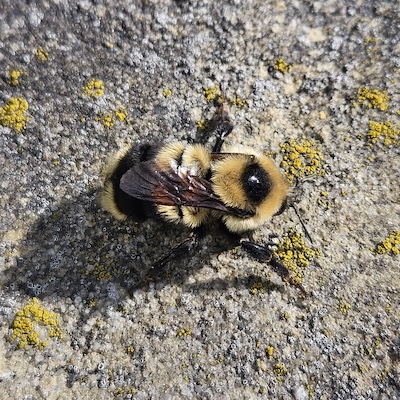
Two bumble bees in the field. Photo by C. Macpherson.
Fast forward to today, and these ancient relationships are strained, with consequences that ripple out to affect ecosystem health and human food security. Modern stressors like pesticides, antibiotics, and sanitation-focused beekeeping can unintentionally wipe out beneficial gut microbes. Once their microbial partners are lost, bees often have difficulty regaining them. Research shows that when bees lack beneficial microbes, they struggle to digest food, detoxify chemicals, and fight infections. These findings raise an important question: could today’s widespread bee declines, unusual disease outbreaks, and mysterious colony collapses be symptoms of a deeper problem – the erosion of the microbial communities that bees depend on?
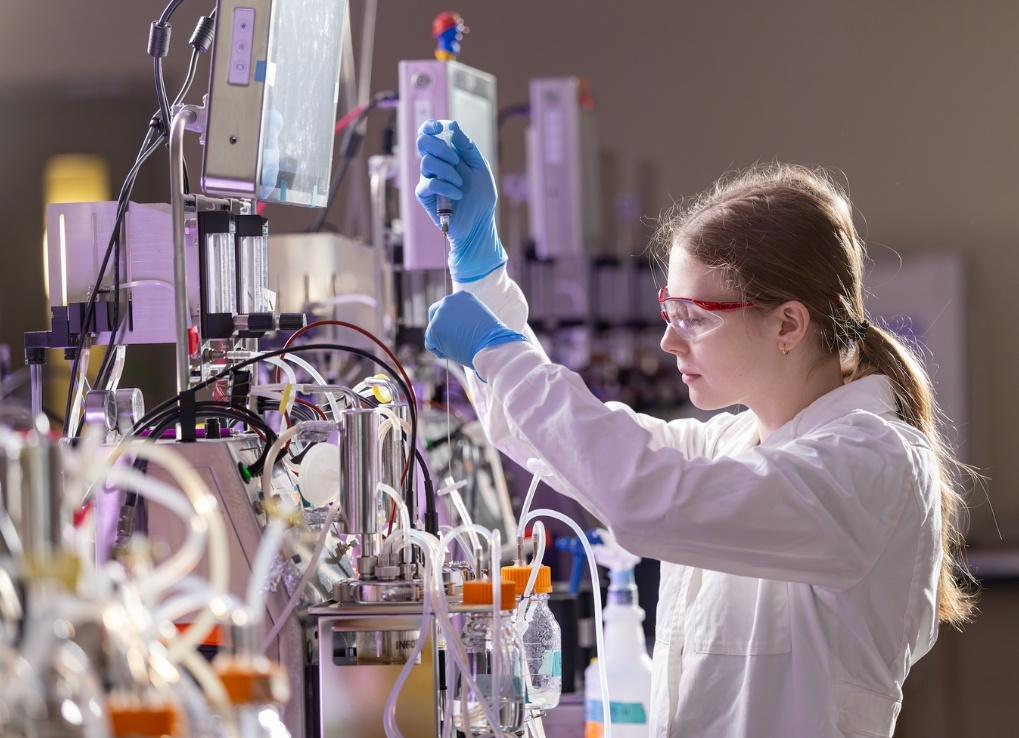
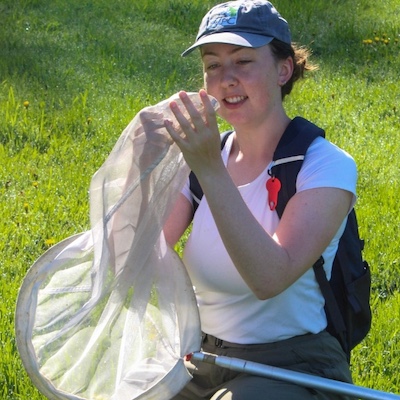
Christine in the lab. Photo by L. Jarvis.
Our research at the University of Guelph suggests that the answer is yes. We performed the first global analysis of bumble bee microbes and discovered that bees exposed to human stressors are “missing their microbes”. Stressed bees host 253% fewer microbial groups and have less interconnected communities than their healthy wild counterparts. When we looked specifically at the imperilled bees being bred in Wildlife Preservation Canada’s conservation program, we found alarmingly low levels of Lactobacillus, one of the most beneficial bacteria for bee health. Bad news, right? Well, here’s the silver lining: now that we understand the problem, we can start to develop solutions.
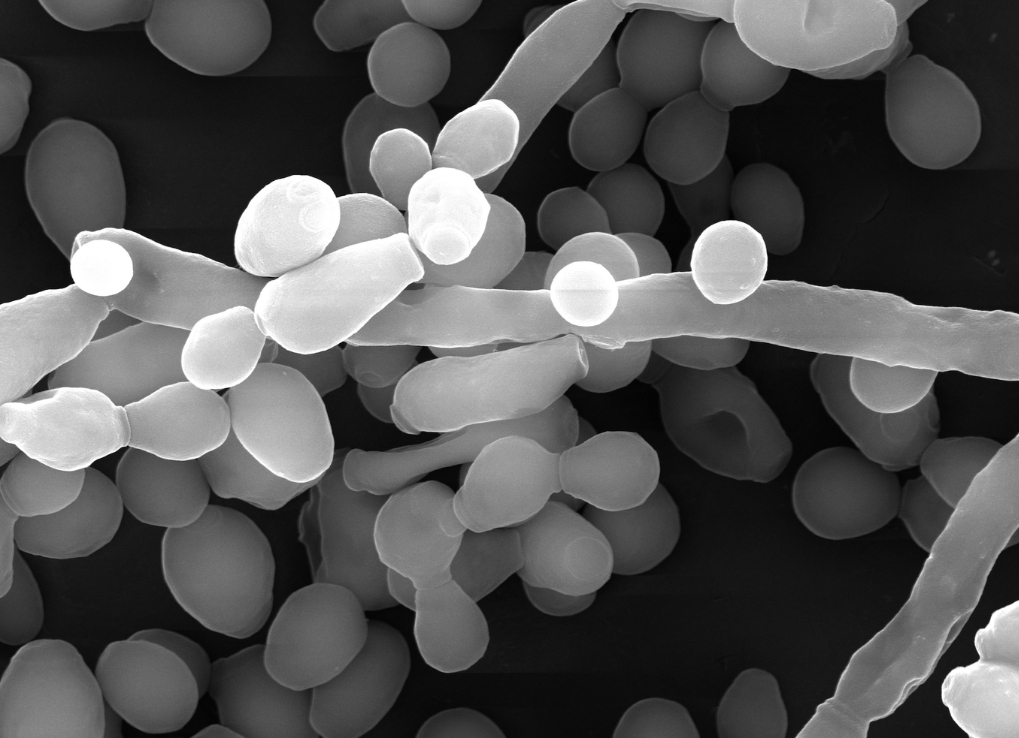
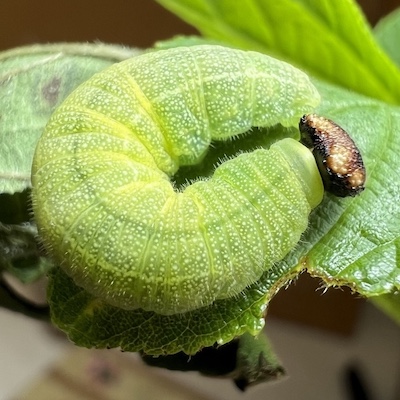
Yeast microscopy. Photo by S. Vancuren.
So, our big question became: can we “re-wild” these depleted microbial communities to improve pollinator health? Evidence from other bee species suggests that we can. Studies on managed honey bees demonstrates that supplementing colonies with beneficial bacteria (probiotics) can improve longevity, brood production, and pathogen resistance. Our plan, which builds upon this foundation, is to isolate Lactobacillus species directly from endangered bumble bees by growing the bacteria on petri dishes. Then, we characterize these microbes in the lab by figuring out which genes they carry and the traits they express, before re-introducing the best candidate to bumble bee colonies. Finally, we measure the impact of Lactobacillus supplementation on colony health metrics such as total mass and number of brood cells, as well as individual traits like resistance to gut pathogens.
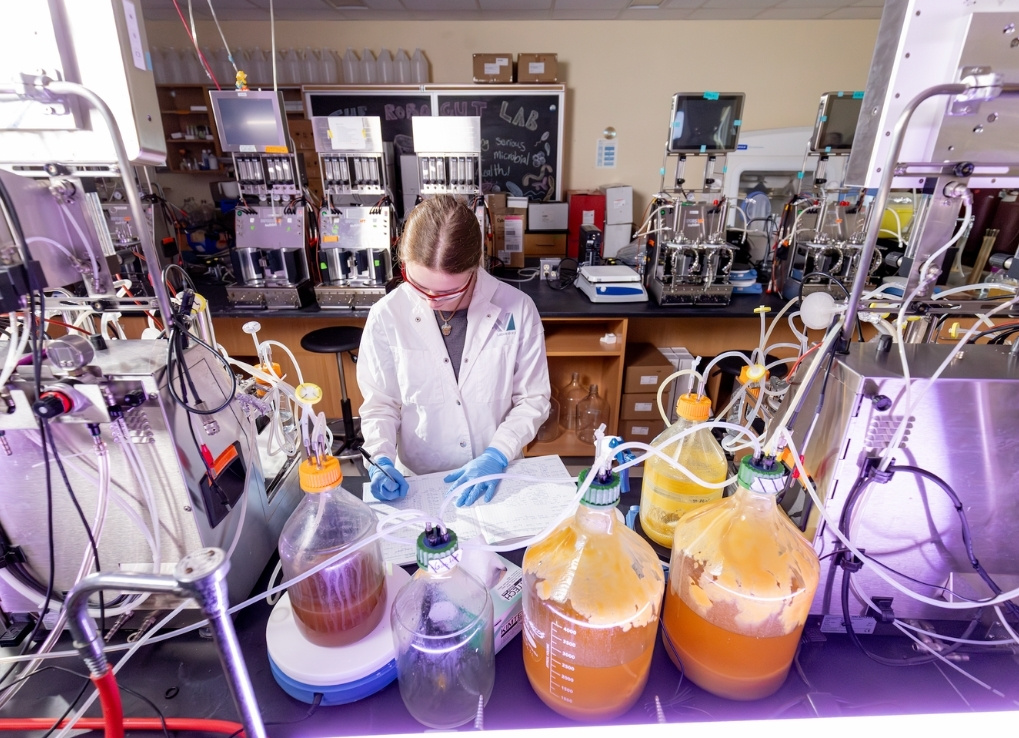
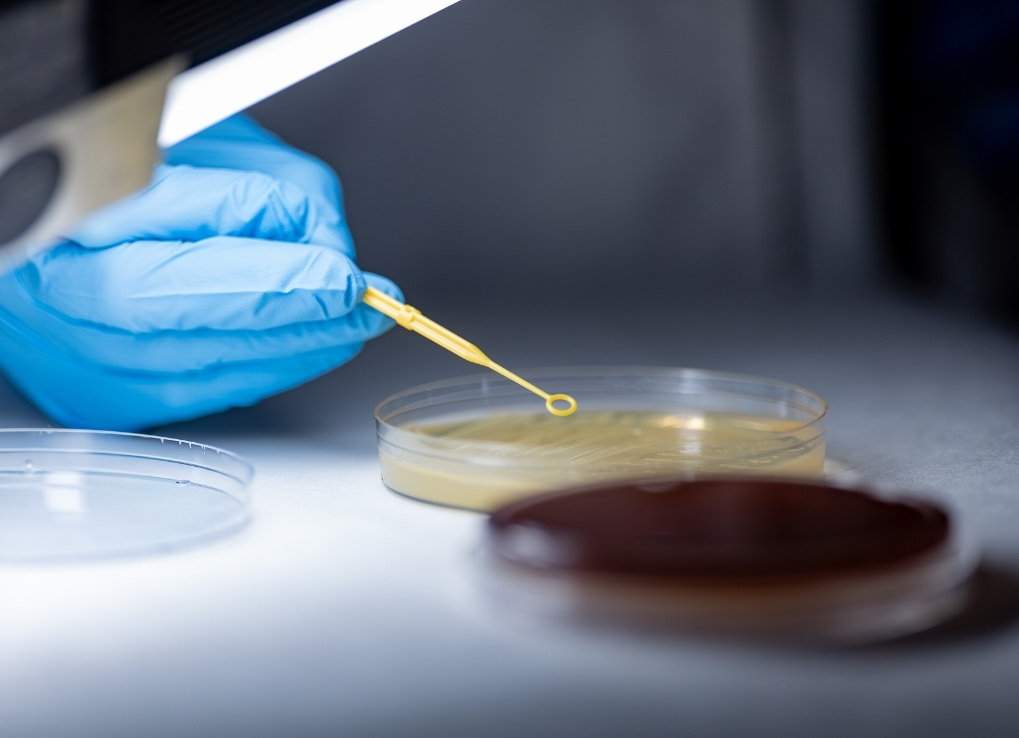
Christine in the lab. Photo by L. Jarvis.
This probiotic work is just one part of the larger puzzle of “microbiome stewardship”, a strategic effort to protect and manage microbial communities vital to ecosystem and human health. Just as Wildlife Preservation Canada says no to the extinction of endangered animal species, we can do the same for the microbes those animals depend on. At the University of Guelph, we are also “biobanking” rare microbes (think of it like a seed bank for bacteria) so we’ve got backups in case they ever disappear in the wild. Furthermore, we are developing a platform to enable the screening of pesticides and other chemicals for unintentional antimicrobial effects, so we never lose those microbes in the first place. Our hope is that our research will help shape the sustainable restoration and maintenance of microbial partnerships to support animal wellbeing, resilient ecosystems, and food security for future generations.
Next time you look at the world, try seeing it through a microbial lens. There really is so much more out there than what meets the eye, you’ve just got to know what to look for.
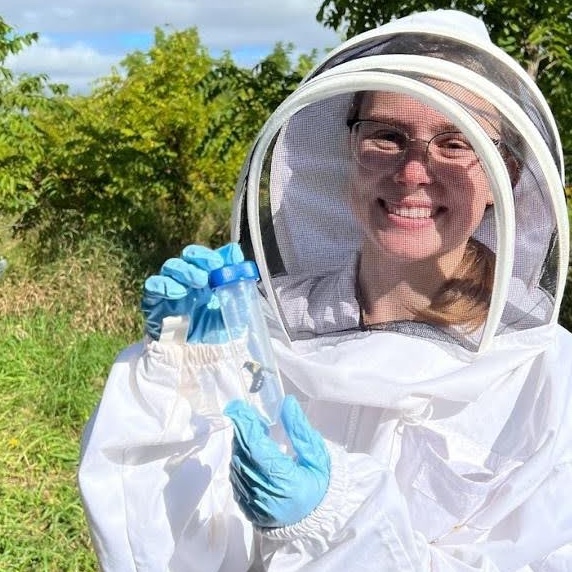
Christine is a passionate conservationist and PhD Candidate collaborating with Wildlife Preservation Canada on their bumble bee recovery project. Her research at the University of Guelph focuses on improving pollinator health through the development of microbial tools, including probiotics and an in-vitro pesticide safety testing platform. Inspired by a lifelong fascination with the natural world, her work aims to translate microbial ecology into on-the-ground conservation strategies. Outside of her research, Christine is an avid canoe camper, student mentor, and wildlife artist.
We need your help