Spring Newsletter 2024

ON THE EDGE

WPC is Canada’s last defence for endangered species. is Canada’s last defence for endangered species.

In This Issue:

Photo courtesy of Ray Maichin Photography

Letter from Lance

Partnerships produce conservation success

In a previous newsletter I mentioned how problem solving, partnerships, and perseverance (the 3 P’s of conservation) are all critical to success when saving a species from extinction. In reading the articles in this newsletter I once again noticed a theme across all the featured projects on the importance of partnerships.

The mottled duskywing butterfly reintroduction in The Pinery demonstrates how collaborations based on partner’s unique contributions can rapidly achieve conservation goals. Few conservation efforts have attained the heights of success of the duskywing program, in such a short period of time. Successful partnerships share this commonality of complementary skillsets working toward a common objective. Although WPC’s role has been modest, helping with releases and overseeing post-release monitoring, we are grateful to be part of this success.

WPC’s partnership with the Greater Vancouver Zoo stands out as one of the best conservation partnerships I’ve seen. WPC brings technical experience and staffing to the Oregon spotted frog, western painted turtle, and Taylor’s checkerspot butterfly programs. The Zoo provides essential resources such as facility space, water, and electricity, and provides an invaluable platform to engage with the public on conservation issues. Sharing resources allows us to accomplish levels of success together that would be difficult to achieve on our own.

The Canadian Species Initiative (CSI) is all about partnerships. African Lion Safari and WPC share a vision of breaking down barriers between conservation planners and practitioners. CSI does this by promoting the International Union for the Conservation of Nature’s (IUCN) One Plan Approach, based on the simple concept that every species recovery plan should involve all potential implementing parties from Day One of the recovery process. Traditionally, species recovery plans are developed by government and species’ experts in isolation from the local communities affected by the species’ decline or the conservation organizations that will be doing the day-to-day work to save the species, often leading to a disconnect between planners and implementers. CSI bridges this gap by involving all relevant parties from the very outset, ensuring that recovery plans are comprehensive, feasible, and inclusive and are far more likely to be successful.

While recent milestones in the bumble bee program have resulted from hours and hours of observation and trialing of new methods by WPC’s bee team, the program has always benefitted hugely from university partnerships. We have been fortunate that North America’s most accomplished bumble bee scientists help us each year as we push the boundaries on pollinator conservation.

Finally, the “fledgling” Burrowing Owl Alliance is a prime example of Canadian organizations and experts joining together to share their experience and knowledge to prevent the disappearance of this charming creature from Canada’s grasslands.

A fundamental strength of all WPC’s programs is this recognition of the importance of partnerships. From the outset, we have embraced the One Plan Approach, even long before the IUCN coined the phrase.

Each of us can make a difference for a better world.

None of us can do it alone.

Dr. Lance Woolaver Jr.,
Executive Director

We have been bringing mottled duskywing back to Pinery by releasing animals and monitoring the outcomes since 2021.

1
1

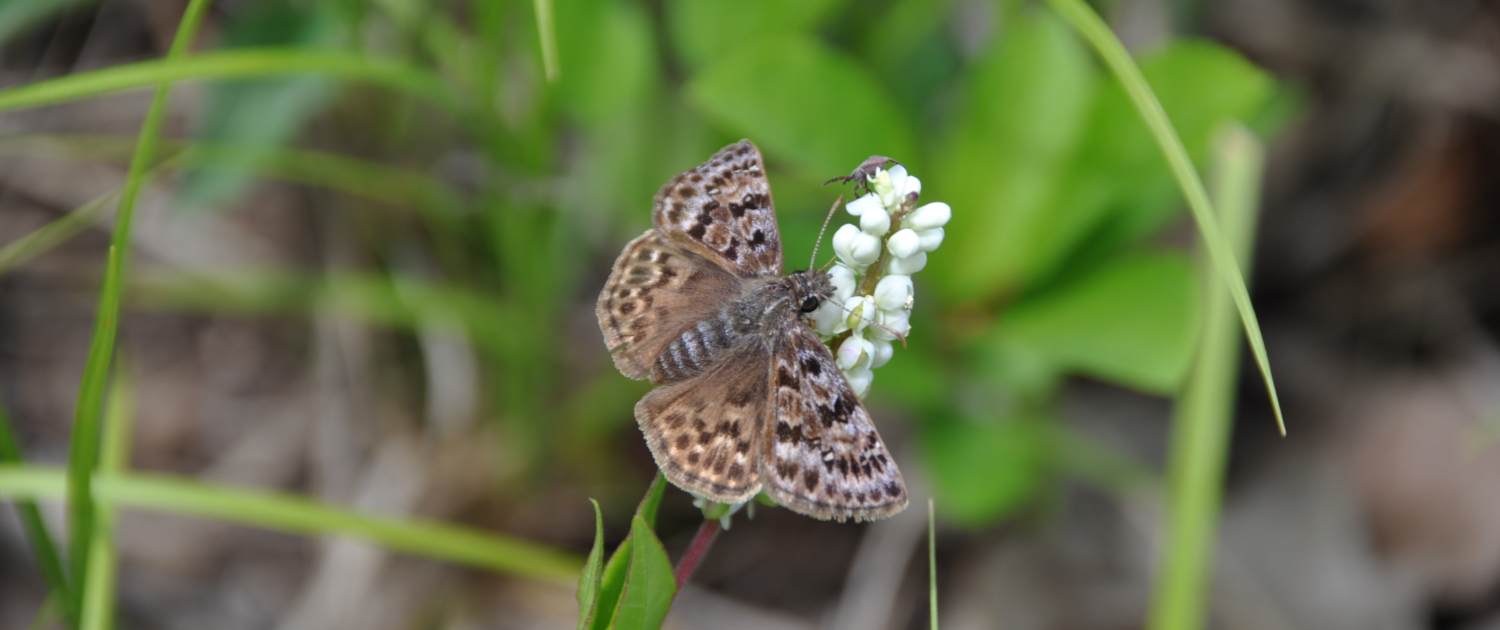
Mottled duskywing butterfly
(Erynnis martialis)

Status: Endangered in Canada; Endangered in Ontario

The yellow-brown spots on the wings of this medium-sized butterfly give this endangered species its mottled appearance. In Canada, these butterflies once extended into southwestern Quebec, southern Ontario and southeastern Manitoba. However, mottled duskywings have not been seen in Quebec since the 1950s, and in Ontario, they are only found in small, isolated populations. In Manitoba, they are limited to a small area of pine woodland in the southeast.

Photo: J. Linton.

Native Pollinator Initiative

Mottled duskywing butterflies reintroduced to Pinery Provincial Park

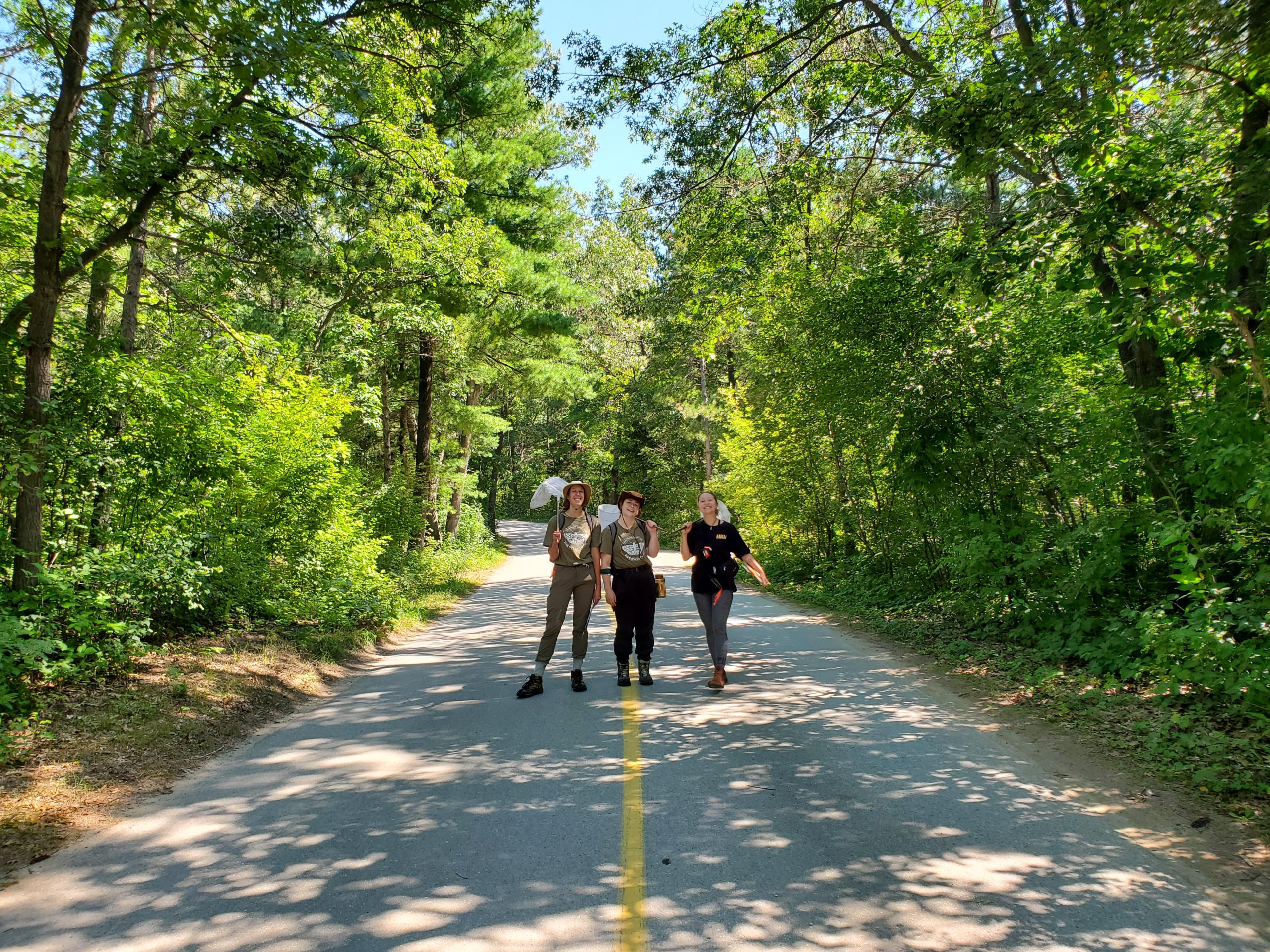
Michelle L., Emily and Klara of our 2023 field team on their way to survey mottled duskywing in Pinery. Photo: M. Polley

Mottled duskywing butterflies used to live at Pinery Provincial Park, but haven’t been seen there since the 1990’s. Since then, mottled duskywing have been lost from many other places in Ontario, and only a few populations remain. Today, the oak savanna habitat at Pinery has been restored, through extensive conservation work including deer population control and controlled burns, to levels that can again support mottled duskywing. This habitat restoration has come at a critical time – since few mottled duskywing populations remain in the province, the recreation of a population at Pinery through reintroduction will help to secure the species’ fate and reduce their risk of extirpation from the country. 

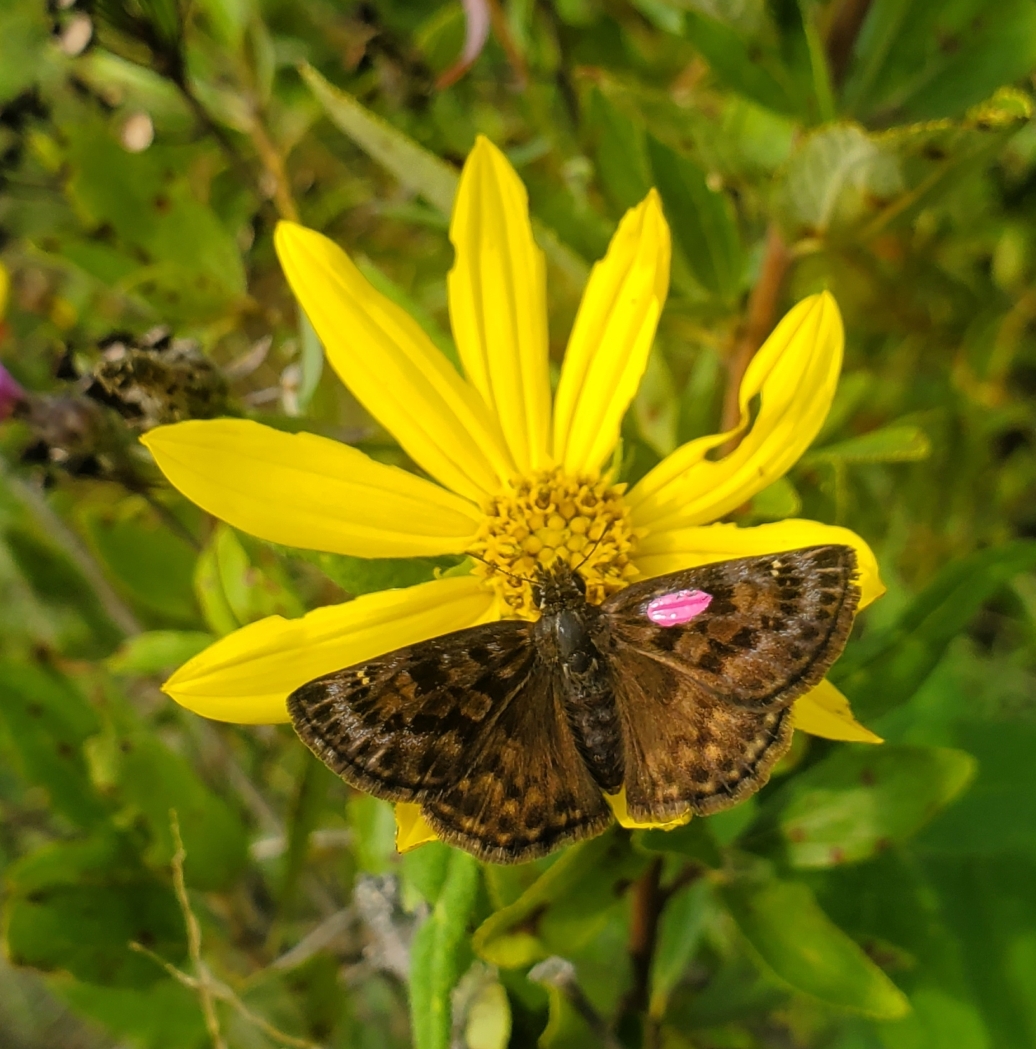
A freshly released female mottled duskywing butterfly from the captive rearing program. She is sporting a pink parking that will allow us to recognize her if we see her on subsequent surveys. Photo: M. Polley.

We have been working to bring mottled duskywing back to Pinery by releasing animals and monitoring the outcomes since 2021. This project is the first butterfly reintroduction in Ontario, and everything we are learning is paving the way to bring this and other butterfly species at risk back to our natural spaces. At Pinery, the field team works full time from May through August to monitor our release sites closely, assessing habitat conditions, documenting butterfly activity, and creating population estimates. Our field team also carried out the third year of releases of the species at the park, introducing a further 129 butterflies and 5 chysalids. 

There are three release sites within the park. Our largest site is showing exciting results. At that site, butterflies have been reproducing and have survived for 5 generations (two generations each summer) since our first releases in August of 2021. In 2023, we estimate that a population of more than 150 butterflies was present there at the peak of the season, and that the total population through the year was even higher. This level of butterfly activity was so exciting for our crew to witness – during our surveys, we saw mottled duskywing thriving! 

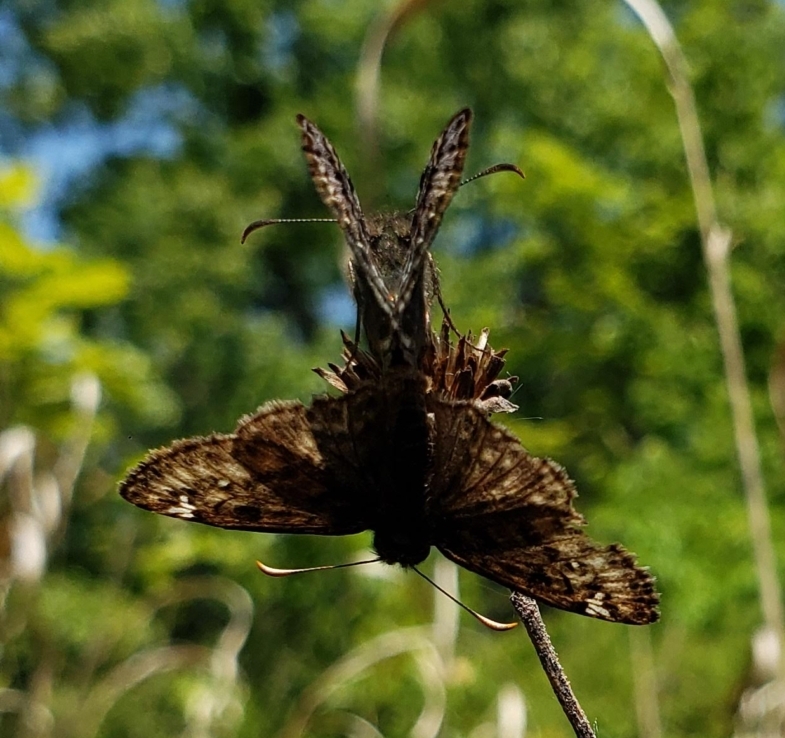
Our most thrilling find of the 2023 season happened on May 29th, when we documented a pair of mottled duskywing butterflies mating during one of our surveys. Seeing this pair provided living proof that mottled duskywing were having success finding one another and reproducing in the habitat. While we were standing there celebrating the find, two more mottled duskywing butterflies came by. One flew about in the adjacent habitat, and the other was a male who tried to interrupt the mating pair. This abundance of mottled duskywing, all thriving and interacting in the Oak Savanna habitat was incredible to see. 

The breeding pair observed on May 29th. The butterflies’ abdomens are temporarily attached, indicting that they are mating. The second male who tried to interrupt them was (thankfully) unsuccessful, and this female likely went on to lay many eggs. Photo: M.Polley.

Our work at Pinery continues, as we release more animals to supplement the population and continue to monitor the habitat and outcomes. Our work at Pinery is supported and complemented by the wider ONBSAR team that are working to save this species – surveying the extant populations of mottled duskywing, assessing the DNA of the species, raising mottled duskywing in captivity, improving and maintaining mottled duskywing habitat and more. This is all carried out to keep mottled duskywing flying here in Ontario. Seeing mottled duskywing thrive again at Pinery is a big win for butterfly conservation. 

Our efforts to protect frog habitats, mitigate climate change, and increase population survival through augmentation are crucial to ensure the survival of these fascinating amphibians. By understanding and appreciating the remarkable adaptations of frogs to overwintering, we can better appreciate the intricate balance of nature and the importance of preserving biodiversity for generations to come.

Fraser Valley Recovery

Croaking chronicles and amphibian adventures

As winter sets in and temperatures plummet, many creatures seek refuge from the biting cold. Among them, frogs employ some of the most intriguing survival strategies to endure the harsh conditions of winter. From hibernation to cryopreservation, these amphibians showcase remarkable adaptability in their quest for winter survival.

One of the most common strategies employed by frogs to survive the winter is hibernation. As temperatures drop, frogs enter a state of dormancy, reducing their metabolic rate and conserving energy. For Oregon spotted frogs that means seeking out the bottom of ponds and burying down in the muck to wait out the freezing icy temperatures. Once settled, their breathing slows, and their heartbeat decreases significantly, allowing them to conserve energy throughout the winter months.

To survive the winter,  Oregon spotted frogs must endure icy conditions beneath frozen ponds and lakes. These frogs remain active even in freezing temperatures, moving sluggishly beneath the ice-covered surface. To access oxygen, they rely on specialized adaptations such as permeable skin or specialized blood vessels in their mouths that can absorb oxygen directly from the water. By maintaining a slow and steady metabolism, they can survive in oxygen-deprived environments until spring arrives and the ice thaws.

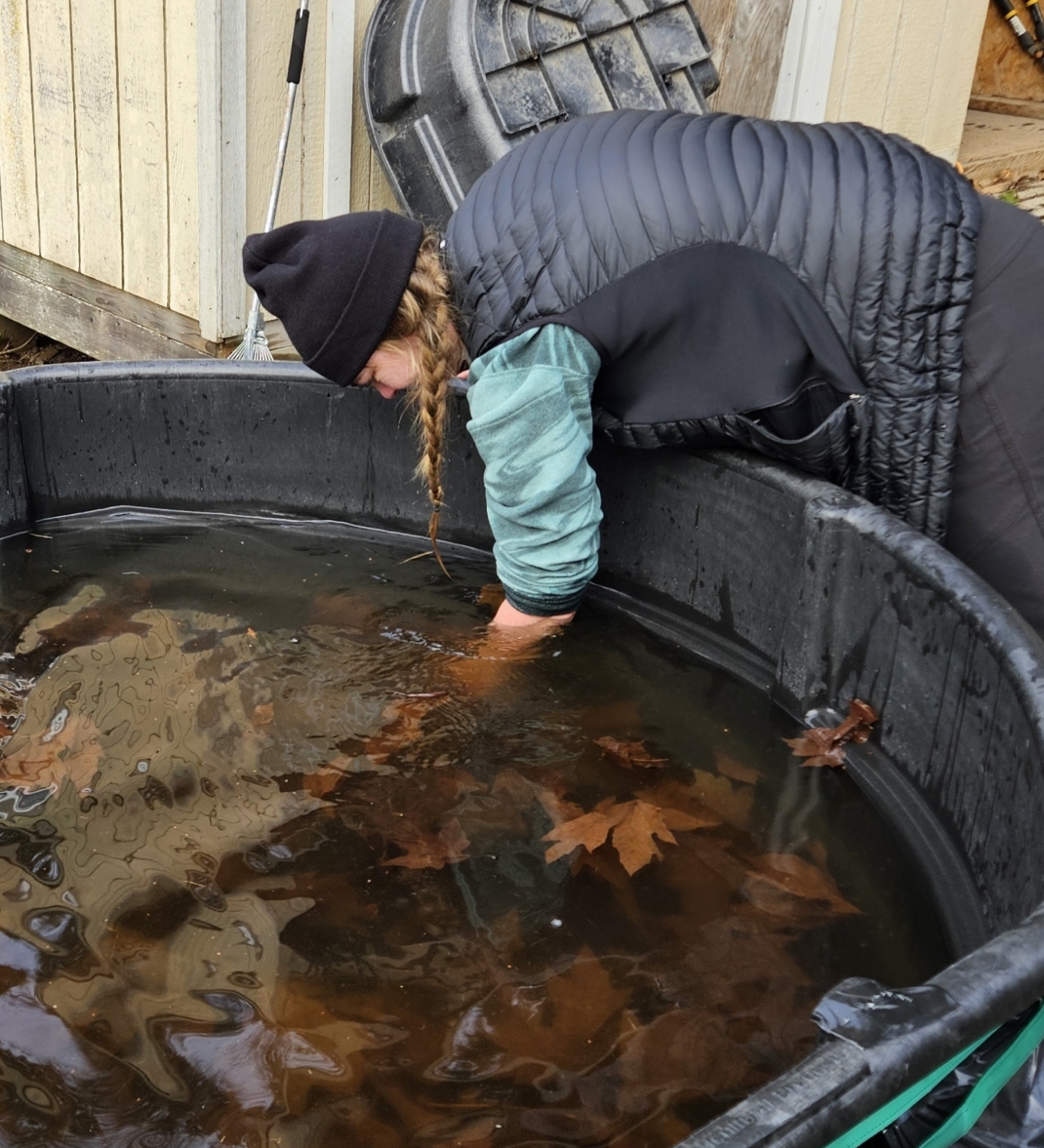
Diving shoulder deep into frigid waters, the team takes final weights and measures before breeding starts. Photo: A. Gielens.

But Oregon spotted frogs don’t wait long! They start breeding when the water is still icy cold. This year we introduced our male and female Oregon spotted frogs in early March, once the frogs in the wild were observed moving into their breeding sites. Egg laying has begun and we expect upwards of 13 egg masses from our breeding colony this year. In addition we have some frogs growing up in our program that will be joining the colony for their first breeding season in 2025!

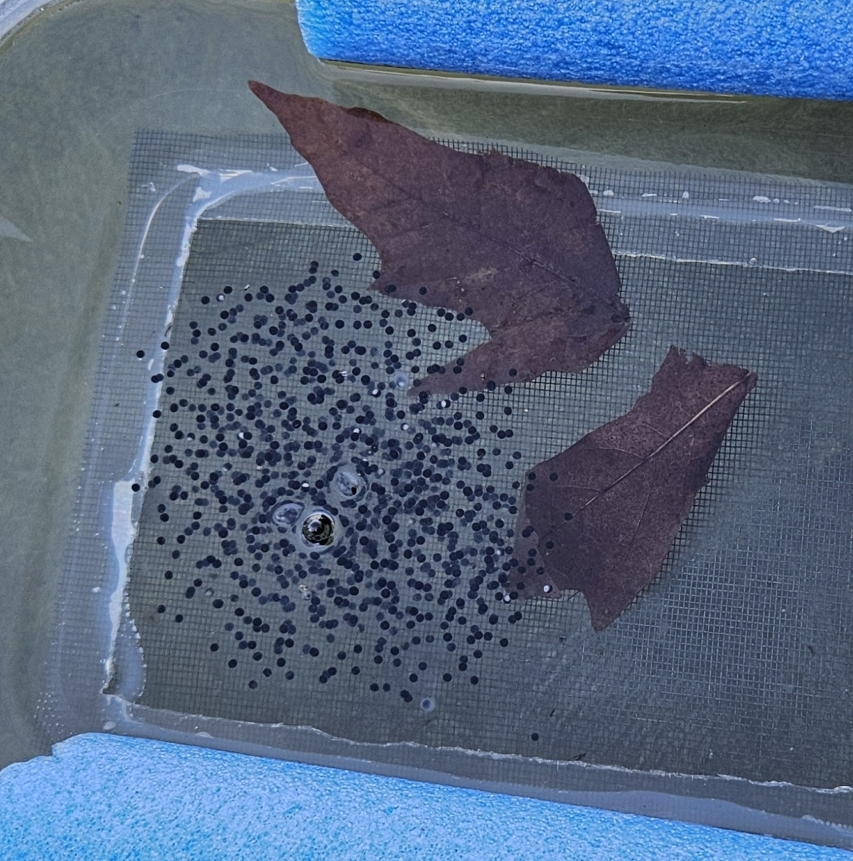
An egg mass from one of our Oregon spotted frog pairs. These frogs only produce one egg mass a year. Photo: A. Gielens.

Frog breeding is orchestrated by environmental clues. Oregon spotted frogs react to increasingly long light cycles and a drop in water depth. Synchronizing their breeding patterns with environmental clues ensures favorable environmental conditions for tadpole development as well as extending the growing season, something that is much needed in northern habitats. 

While many species of frog are highly adaptable, the Oregon spotted frog is very specific in its choice of egg laying location. This species lays their eggs communally, with many females coming together to lay their eggs in the same spot to form a large raft of connected egg masses. They choose areas with low water flow and low water levels over a complex substrate. This helps to keep the egg masses near the surface of the water where the temperatures are warmest and egg development will occur quickly. Egg laying sites are also the same year after year, which leaves populations vulnerable if the conditions at these sites change. Protecting all needed habitats for the complete life cycle of the frog is crucial for maintaining frog populations 

While Oregon spotted frogs have evolved impressive strategies for winter survival, they face increasing challenges due to climate change and habitat destruction. Warmer winters disrupt their hibernation patterns, while changes in precipitation patterns can affect the availability of suitable breeding habitats. Additionally, invasive predators and habitat loss threaten the delicate ecosystems where frogs reside.


1
1

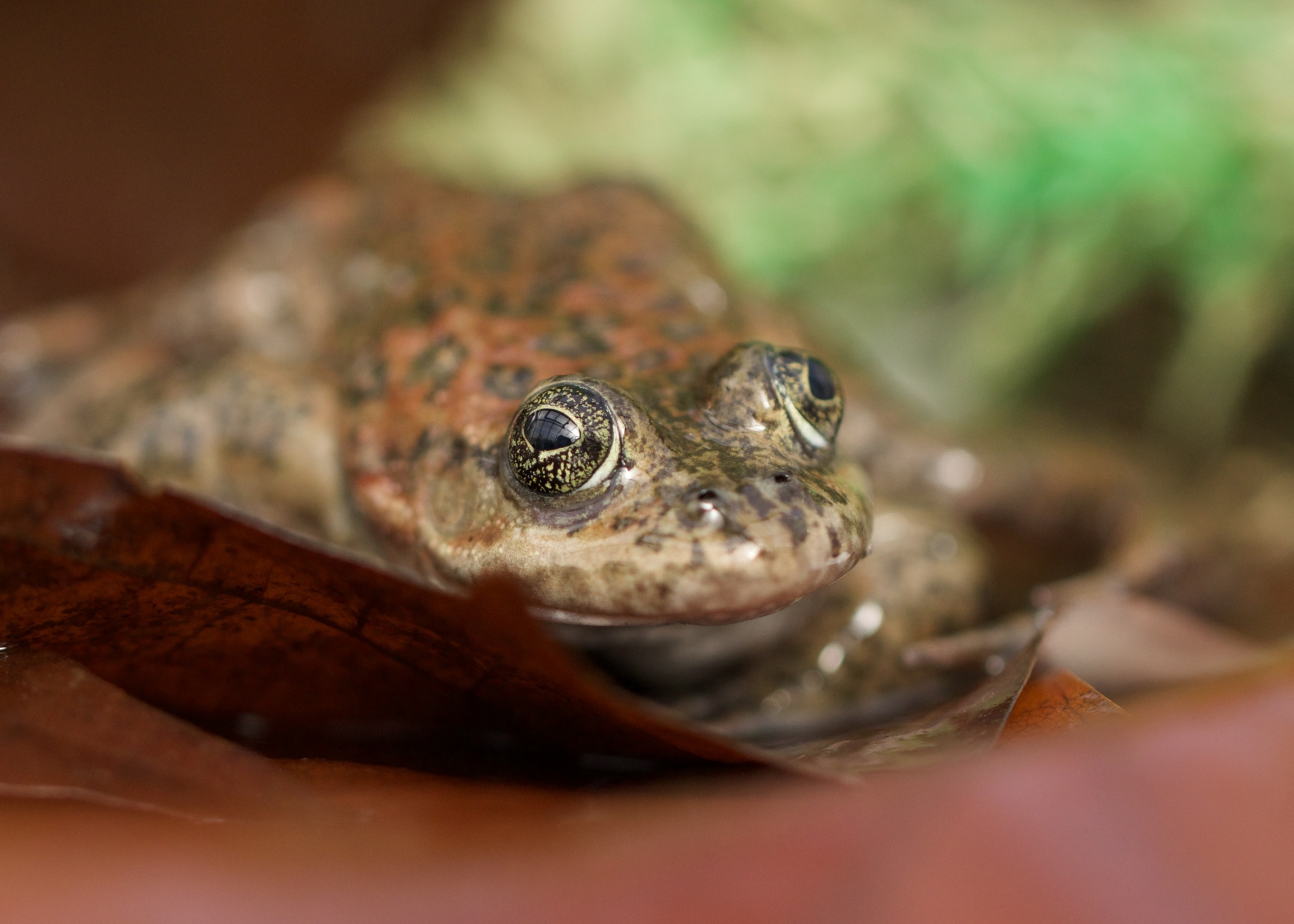
Oregon spotted frog

(Rana pretiosa)

Status: Endangered in Canada

Conservation breeding, headstarting, & release are core activities of WPC to restore Oregon spotted frogs to historic sites throughout the Fraser River valley. The techniques to save this species will be used to save other frog species here in Canada in the future.

Photo: P. Sardari.

The Canadian Species Initiative (CSI) developed as a joint endeavour between Wildlife Preservation Canada and African Lion Safari in 2019.

1
1

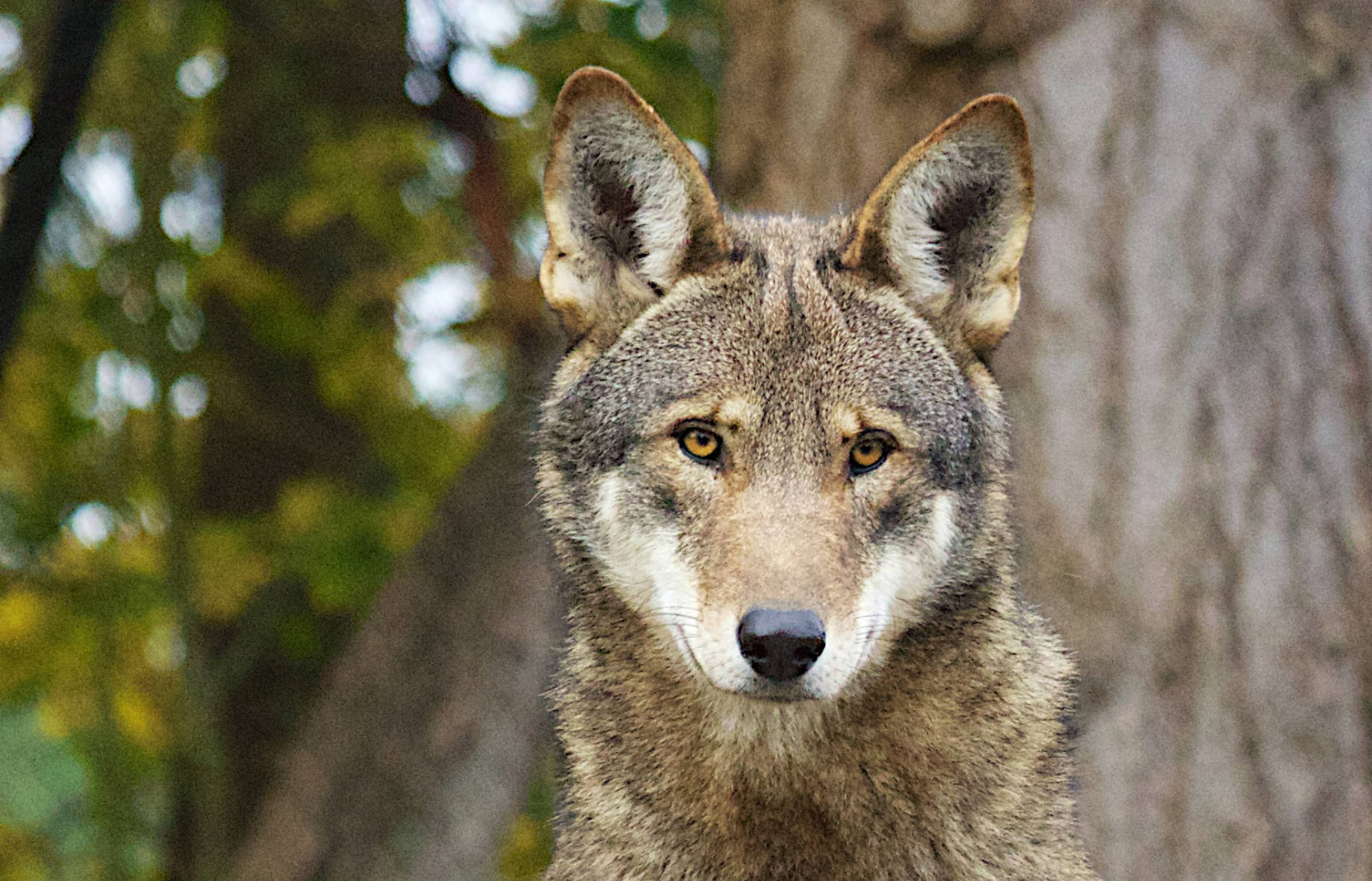
Red wolf (Canis rufus)

Status: Endangered in the United States

History: Declared extinct in the wild in 1980 and then successfully reintroduced through captive breeding and release – a first for a large carnivore in the United States.

Project: Revision of the Recovery Plan to achieve long-term demographic and genetic recovery of the species in the wild.

Fun fact: Red wolves can successfully hybridize with coyotes creating a conservation threat to the genetic integrity of the wild wolf population but also a potential conservation opportunity to restore lost red wolf genes to the population.

Photo: R. Harrison, USFWS.

Canadian Species Initiative

All for one and one for all

We know that for many of the almost 600 known threatened species in Canada, habitat protection alone is not enough to reduce the risk of extinction. Even with actions to address the direct causes of biodiversity loss, such as habitat loss and degradation, invasive species, or climate change, many species will still continue to decline without additional recovery action.

To halt extinctions and recover species, the United Nation’s Kunming-Montreal Global Biodiversity Framework recognizes the need for species-specific actions, including reintroductions, translocations, conservation breeding, supplementary feeding, or provision of breeding sites. The Global Biodiversity Framework provides action-oriented global targets to address the biodiversity crisis and reach the global vision of a world living in harmony with nature by 2050.

Through the Canadian Species Initiative, a partnership with African Lion Safari, WPC is supporting teams to identify and implement species-focused recovery for species in Canada that require more intensive care. The Canadian Species Initiative promotes the application of the IUCN Conservation Planning Specialist Group’s One Plan Approach to conservation.

By integrating planning and fostering collaboration between in situ (in the field) and ex situ (zoos, aquariums, and botanic gardens) communities, the One Plan Approach to species conservation planning has been shown to provide better outcomes for species at risk, slowing, and in some cases even reversing, overall declines.

Tools and resources, such as the One Plan Approach, support effective conservation measures and work towards national biodiversity goals. This integrated approach ensures that all possible management options are considered, and that the full complement of knowledge, skills, and strengths are brought to the table, leading to the most effective conservation actions for Canadian species at risk.

Recent One Plan Approach-based conservation planning for threatened wildlife in Canada and the U.S. has resulted in comprehensive conservation plans that are inclusive of wild and captive populations.

Many other Canadian species can benefit from a One Plan Approach including several species WPC works with already or are found on our Conservation Action Plan, such as the western bumble bee and the Blanding’s turtle.

  • Eastern loggerhead shrike (Lanius ludovicianus migrans)

    Status: Endangered in Canada

    Project: Development of an international conservation management and action plan for the subspecies throughout its range in eastern North America, informed by a year-round population model. 

    Fun fact: Shrikes demonstrate plasticity in migratory strategies: some populations, including those in Ontario, must migrate, some are non-migratory, and others may or may not migrate. 

    Photo: B. Matsubara.

  • Eastern mountain avens (Geum peckii)

    Status: Endangered in Canada

    Project: Assessment of ex situ conservation options to aid the recovery of wild populations in Nova Scotia

    Fun fact: A globally rare plant found only in boggy-areas along the coast of Nova Scotia and high in the mountains of New Hampshire.  

    Photo: G. Tompkins.

  • Whooping crane (Grus americana

    Status: Endangered in Canada and the United States

    History: International collaboration and protections for the species and their habitat combined with captive breeding enabled the recovery of this species from the brink of extinction. 

    Project: Update of the International Recovery Plan with new knowledge to move the species towards full recovery in the wild using effective strategies  

    Fun fact: Whooping cranes nest in the boreal wetlands of Wood Buffalo National Park and migrate almost 4000 km to their wintering grounds on the Gulf Coast of Texas. 

    Photo: S. Winton.

  • Blanding’s turtle (Emydoidea blandingii)

    Status: Endangered in Canada

    Recommended Recovery Actions: Headstarting, nest protection

    Photo: Ontario Nature.

  • Western bumble bee (Bombus occidentalis occidentalis)

    Status: Threatened in Canada (newly listed under the Species at Risk Act in 2023)

    Potential Actions Required: conservation breeding, reintroduction, translocation 

    Photo: T. Harrison/WPC.

1
1

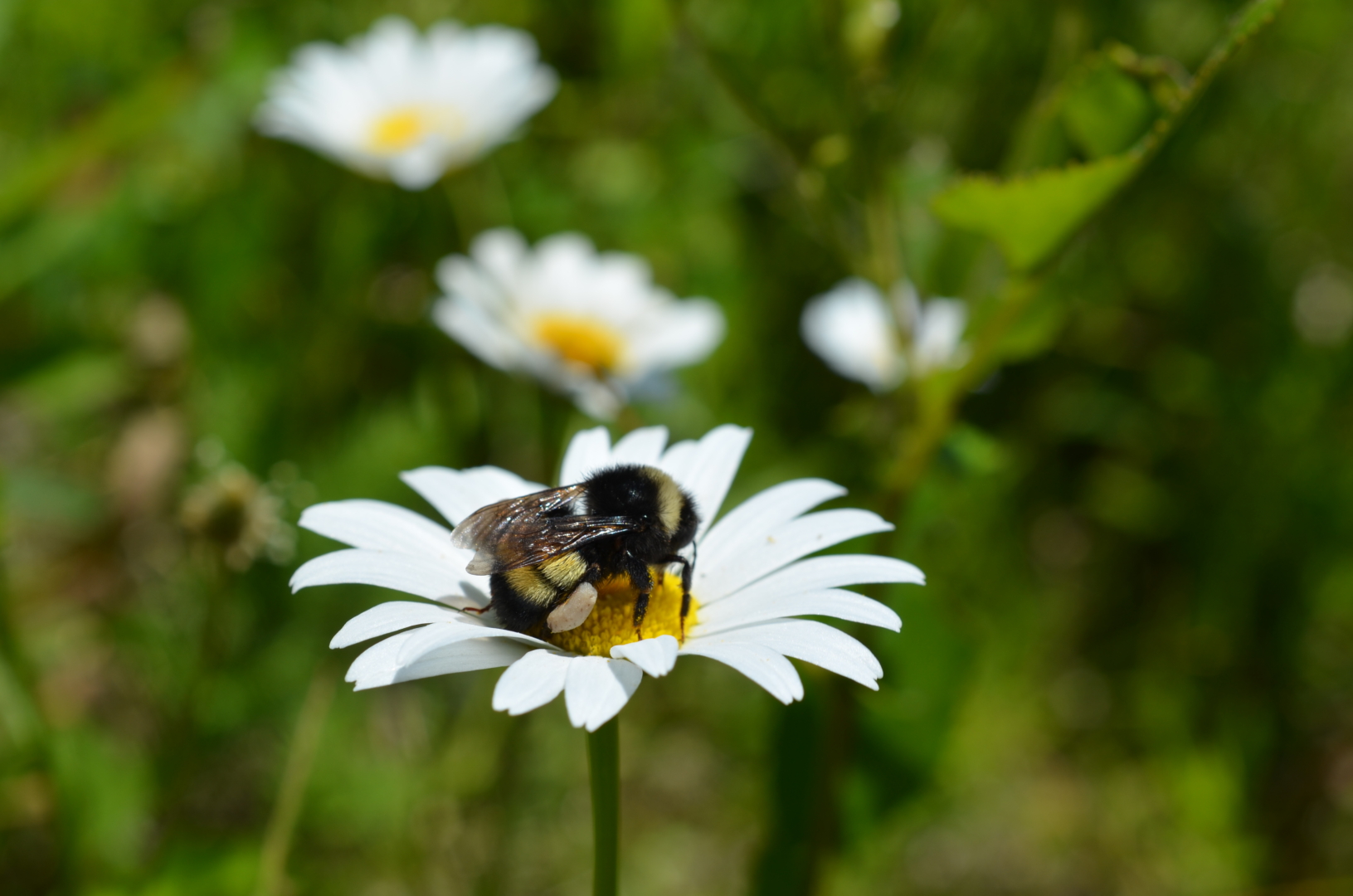
Yellow-banded bumble bee

(Bombus terricola)

Status: Special Concern

WPC’s Native Pollinator Initiative identifies factors causing bumble bee population declines, and develops techniques for recovery focused on research, monitoring, outreach, citizen science, and conservation breeding. It is a multi-species effort to save Canada’s native pollinators from extinction.

Photo: T. Harrison, WPC.

Native Pollinator Initiative

Buzzing back: reviving wild bumble bee populations

As you may know, our conservation breeding lab rears yellow-banded bumble bee colonies from wild-caught queens. Not only does this allow us to gain more information about the lifecycle and environmental requirements of this at-risk species, but it also helps us reach our goal of releasing lab-reared gynes (queens) into the wild in order to supplement depleted populations. But before we can effectively send bees back to the wild, there are many hurdles we need to      overcome. Let’s talk about the challenges we’ve addressed this past season and the ones we’re working on next! 

Mating

In 2022, we had our first successful mating of the brown-belted bumble bee: a common species that we reared alongside yellow-banded bumble bee colonies. This year, after switching from mating bees outdoors to mating them indoors, where we’re able to control environmental variables more easily, we’re happy to announce that we had our first successful yellow-banded bumble bee copulation! And we didn’t see just one last summer: we saw 12! With 77 yellow-banded gynes participating in mating trials, that’s a 16% success rate. That number may seem humble at first, but that’s an infinite jump from the 0% we saw in previous years! 
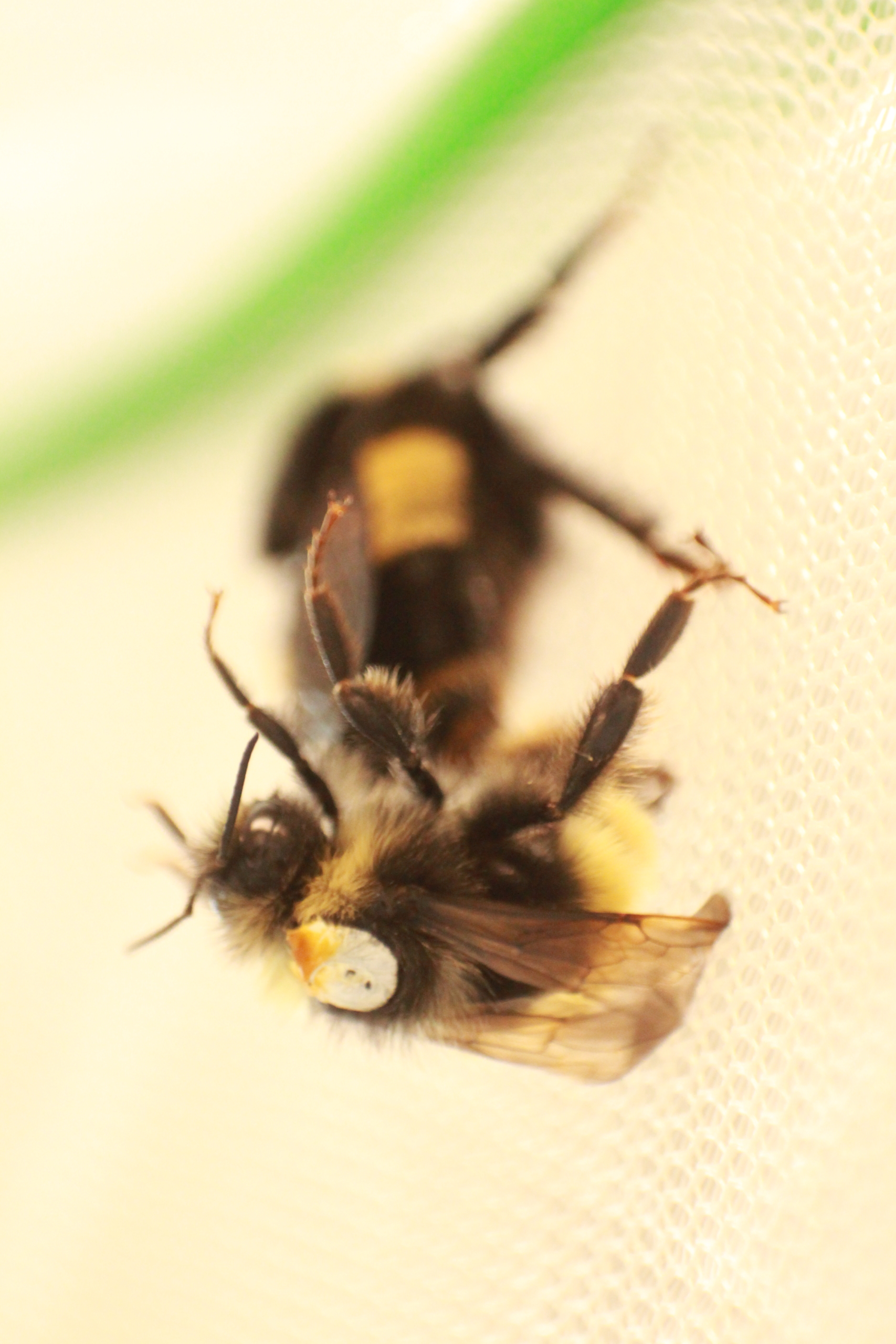
Pair of mating bumble bees. Photo: P. Smale.

Overwintering

Once gynes have mated, they need to overwinter to prepare to start new colonies in the spring. In the wild, new bumble bee queens will bury themselves in soil or leaf litter to sleep until the spring; in our lab, they bury themselves in soil in the fridge! We tried out a new overwintering method devised by Sabrina Rondeau as part of her PhD at the University of Guelph. By providing our queens with rehydrated soil, we are more easily able to keep humidity high for them as well as better-simulate their natural overwintering environment. And the change has paid off! In previous years we had 0% survival for our overwintering queens, however, this year we’re on track to wake up 43 yellow-banded queens, including 10 that we observed mating. This marks the first year we’re able to start multiple colonies from lab-reared queens, reducing the number of wild-caught queens we need for the lab. This is the first big step in developing self-sustaining lab lineages.
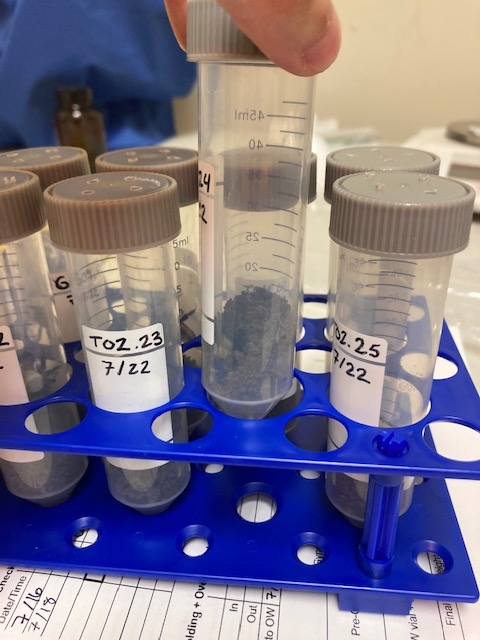
Our overwintering gynes resting in soil. These tubes are placed in our overwintering fridge, where they sleep until spring. Photo: P. Smale.

Self-Sustaining Lab Lineages

Ideally, our lab will be able to minimize the number of queens we adopt from the wild by maintaining lab-bred lines – bee lineages produced from queens we caught in previous years. Lab lines would provide access to more information on our colonies’ genetics, life histories, and any pathogens/parasites they might carry. It would also allow for the possibility of selectively breeding gynes and males in order to preserve/maximize genetic diversity, or even artificially select for desirable traits, allowing us to create populations better equipped to thrive in changing environments! This could ensure their survival in the wild for generations to come. While we’re not quite there yet, we’re thrilled to have taken the first step towards this goal. 

Next: Parasite and Pathogen Detection

Disease management and biosecurity protocols are paramount to prevent the spread of pathogens within colonies and minimize the risk of introducing harmful agents into the wild. In order to successfully carry out releases, we need to screen our bees for the presence of common parasites and viruses. For 2024, we’re continuing our usual fecal sampling to identify the presence of common gut-parasites in incoming queens, plus we’ve embarked on a new project to explore the efficacy of fecal sampling methods, sample lab colonies throughout the season to track infection intensity, as well as investigate parasite prevalence in wild populations. This will help immensely to prepare for releases.
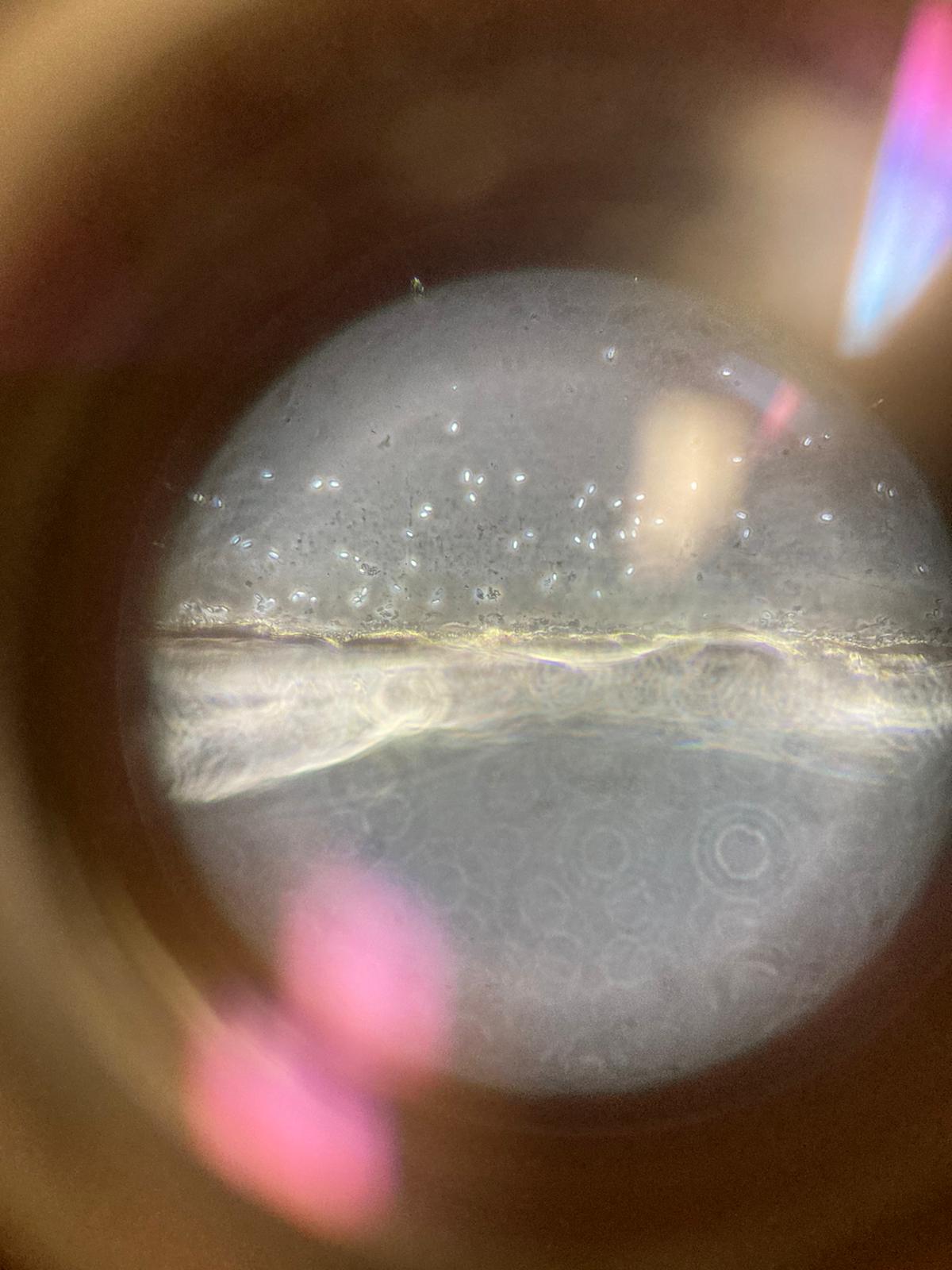
Microscopic view of bumble bee feral matter that contains parasites. These parasites are captured as little white dots in this image. Photo: C. Blair.

Looking to the Future

By integrating lab-reared colonies with broader conservation strategies, including habitat restoration and pesticide regulation, we are working towards a future where bumble bees thrive in their natural environments. Ultimately, our success hinges on our commitment to preserving these vital pollinators for generations to come. Although there are still challenges on our path to releases, our newfound ability to successfully produce, mate, and overwinter new queens means that we’re closer than ever, and we’re excited to see how our first cohort does when it comes to starting their own colonies this spring!


The burrowing owl is back!

1
1

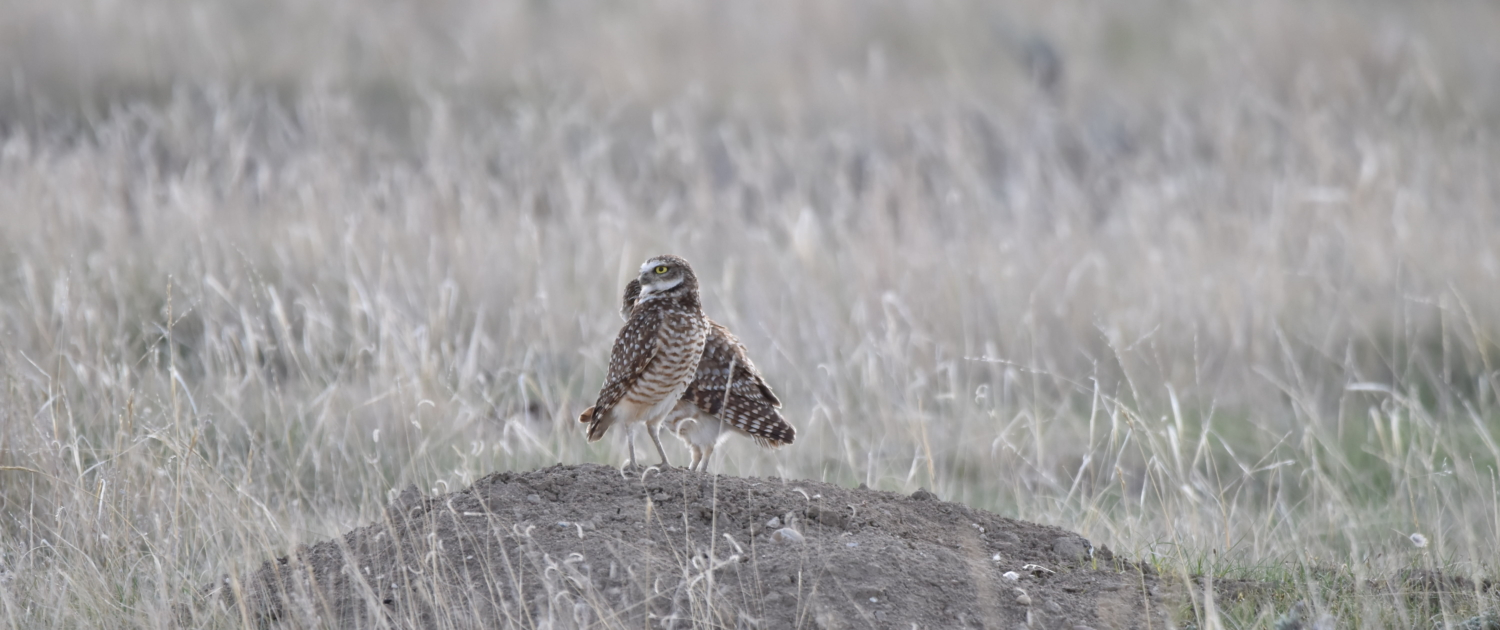
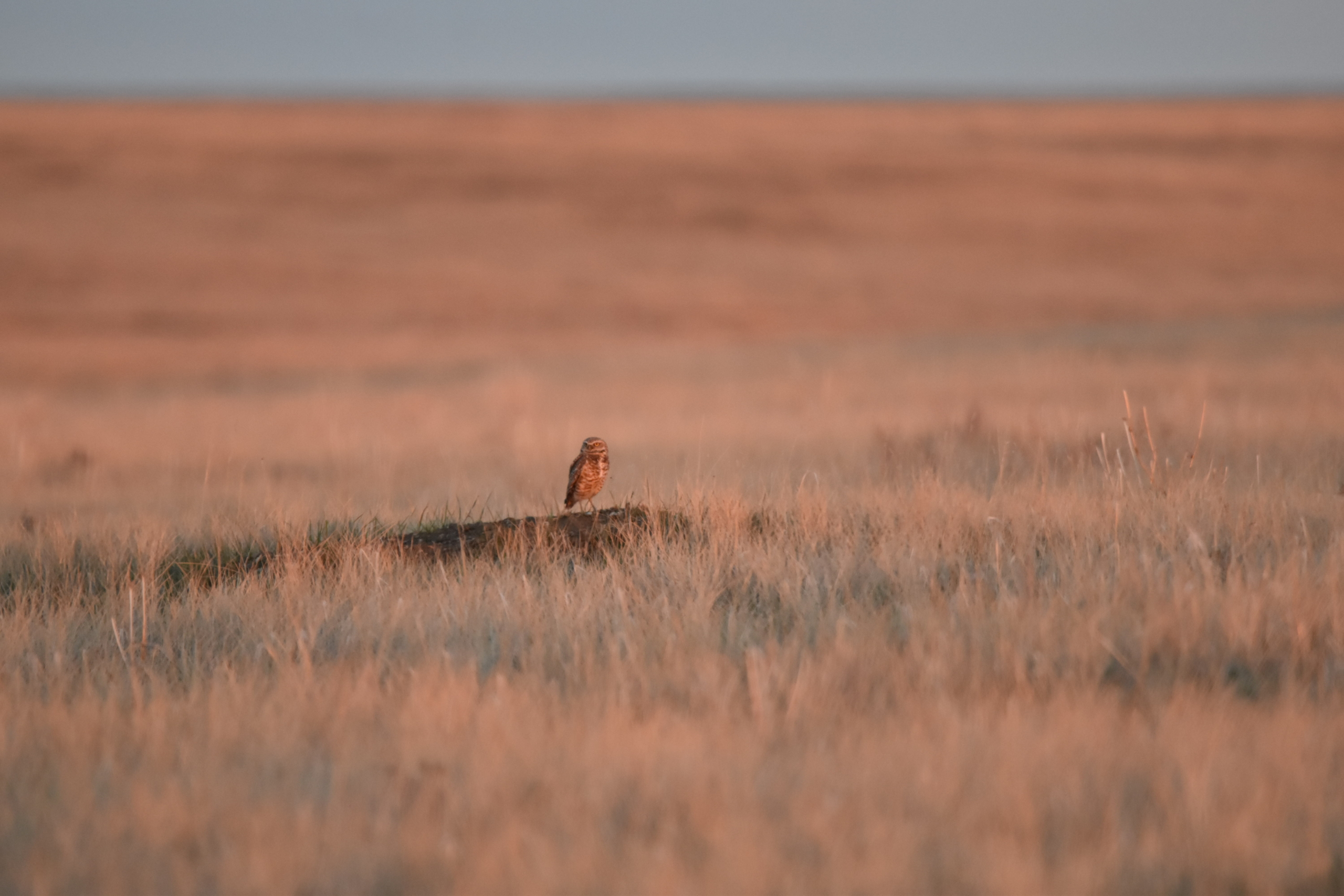
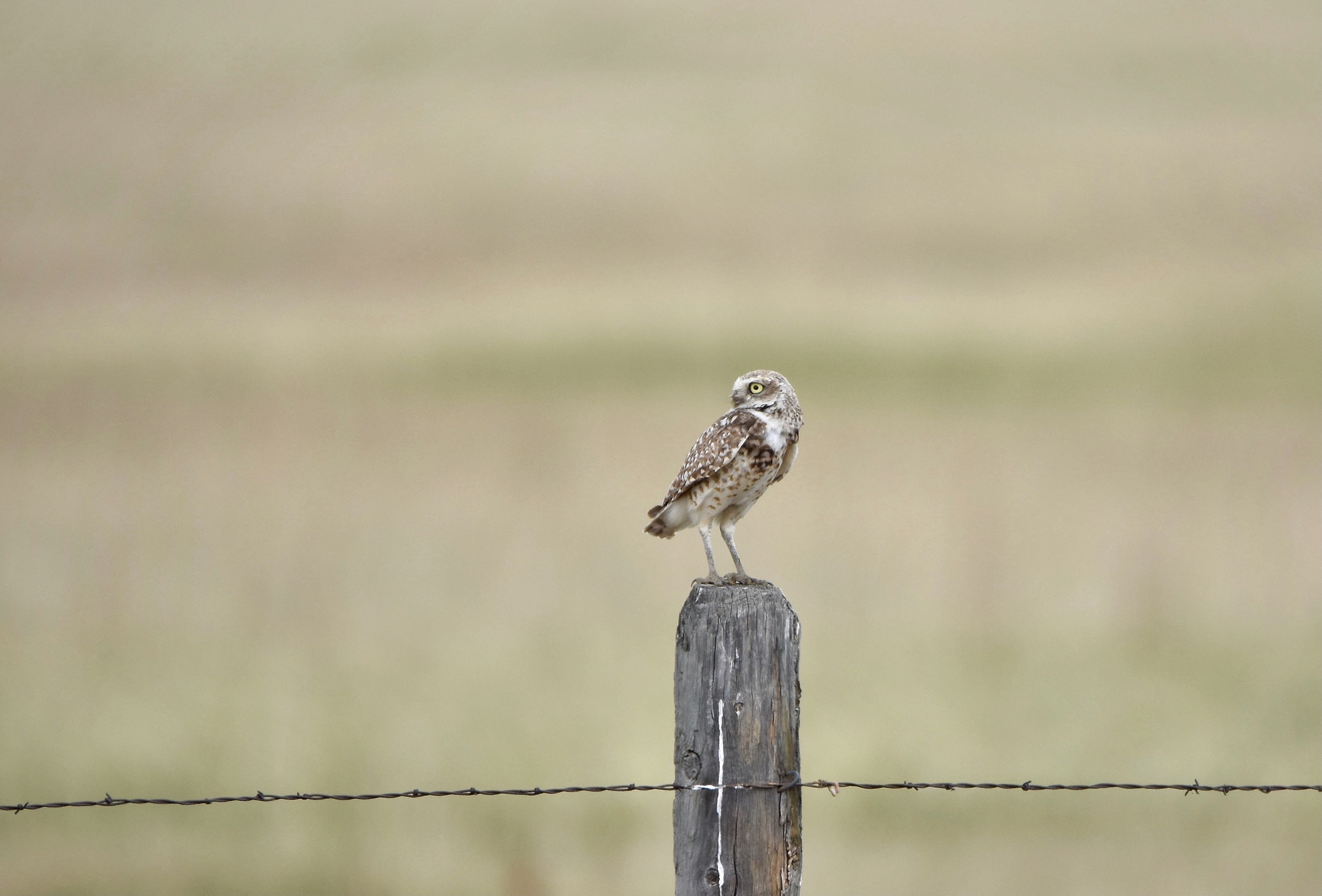
Burrowing owl

(Athene cunicularia)

Status: Endangered in Canada

WPC first became involved in burrowing owl recovery in Saskatchewan in 1995. The federal Recovery Strategy for burrowing owls calls for a number of conservation measures, including stewarding habitat, discouraging the extermination of prey species, and using predator-proof artificial nest burrows. Breeding owls to release into the wild is recognized as essential to re-establishing populations that have disappeared within their historical range.

Photo: S. Shappas.

Burrowing Owl Recovery

Banding together of the burrowing owl

The first time I ever saw a burrowing owl was 2007. I was a field technician working in Grasslands National Park in Saskatchewan on a project studying black-tailed prairie dogs, and occasionally we’d get a view of a burrowing owl as we went about our work. They are one of the smaller owls you can find in Canada, but what they lack in stature they make up for in character. For example, did you know that burrowing owls can mimic the sound of rattlesnakes to scare potential predators away from their nests? A clever adaptation to subterranean home security! Any time we saw one of these plucky little birds that summer, it was a good day. 

Burrowing owls, which are endangered in Canada, don’t actually dig out their holes, but instead rely on other animals like ground squirrels, badgers, and prairie dogs to create a burrow that the owls will happily occupy once the original inhabitants have moved on. Prairie dog colonies are the preferred nestling locations for burrowing owls, as it’s relatively easy to find a vacancy amongst a sprawling colony, compared to the challenge of finding a solitary empty burrow elsewhere.

When I joined the WPC team in 2013, I was glad to see that we had supported work for this charismatic species in the past, helping to fund projects developing soft-release techniques in Saskatchewan in the late 90s and applying those techniques in Manitoba and BC. This year, we are very excited to rejoin the community of burrowing owl conservationists as we reconvene with partners all across the Canadian range to develop a network dedicated to recovery of this species: the Burrowing Owl Alliance.

The newly fledged Burrowing Owl Alliance (BOA) is focused on range-wide collaboration to work towards species recovery. Every province within the Canadian burrowing owl range has its own special challenges, but by pooling our knowledge and our resources, we aim to improve the species’ status nationally. And the species does need our help: when the Canadian population was last assessed by the Committee for the Status of Endangered Wildlife in Canada (COSEWIC) in 2017, it was estimated that there could be fewer than 300 adults in the wild. Recovery of such a small population is going to require a lot of work, but BOA partners have been dedicated to this species for many years, whether through conservation breeding and releases, habitat stewardship, or public outreach, and they are no strangers to the hard work of species recovery. 

Photo: S. Shappas.

This year, BOA will lay the important groundwork of developing a website where we can share information amongst partners and the public, and creating a stewardship guide to help landowners be responsible habitat stewards. This will be the first step in creating what will be a growing and long-lasting conservation network. By drawing on a wealth of collective knowledge and efforts, we will bring this species back from the brink. 

Who is the Burrowing Owl Alliance?

The following six organizations make up the found members of the BOA:

Funding for this project has been provided by Environment and Climate Change Canada.

You care about the fate of wildlife.

We have the roadmap to survival.

Our team of skilled conservation biologists are working 365 days a year, across the country to save Canadian species from extinction.

YOUR support can make it happen

About our authors

  • Andrea Gielens

    Lead Biologist - BC Recovery Programs

    Andrea manages our captive breeding and release programs for the Oregon spotted frog, western painted turtle, and Taylor’s checkerspot butterfly in BC. Andrea has studied at-risk reptiles and amphibians in Canada and abroad, including a term at the Durrell Wildlife Conservation Trust in the U.K.

  • Hazel Wheeler

    Conservation Programs Director

    Hazel joined WPC in 2013 as our shrike field biologist in the Carden area. That fall, they took on the role of Lead Biologist, and after 10 years, they were promoted to Conservation Programs Director. Working with at-risk birds for over a decade, Hazel now oversees all of WPC’s conservation programs.

  • Michelle Polley

    Field Technician - Ontario Butterfly Species at Risk Recovery Team, Guest Author

    Michelle joined the Norris Lab in 2022 as a MSc Candidate, working with mottled duskywing butterflies at Pinery Provincial Park. Previously, Michelle worked with WPC as a technician in our Taylor’s Checkerspot Butterfly Recovery Program.

  • Parker Smale

    Bumble Bee Lab Biologist - Native Pollinator Initiative

    Parker joined WPC in 2022 as the lead technician for our Bumble Bee Breeding Program. Specializing in data management, bumble bee diet, and bumble breeding, Parker has a passion for insects, especially the bombus variety.

  • Stephanie Winton

    Canadian Species Initiative Coordinator

    Stephanie was the 31st Canada’s New Noah and stayed on with WPC to work with the Canadian Species Initiative to build capacity for species conservation planning in Canada. Stephanie has extensive experience working in conservation and research for species-at-risk including reptiles, amphibians, mammals and birds in Western Canada.

In the next ON THE EDGE

Wildlife Preservation Canada is growing. We‘re adding new endangered species recovery programs every year. This means that we are unable to highlight all of our programs in each edition of WPC’s ON THE EDGE.

The Fall 2024 edition will share stories from some of our other programs that were not mentioned in this newsletter. Including: Eastern loggerhead shrike, Western painted turtle, Canada’s New Noah and so much more…

There are two easy ways to stay up to date on all our projects:

1. Sign up for our monthly email

2. Follow along on the WPC Blog

Don’t forget to share our newsletter

Established in 1985, Wildlife Preservation Canada is a non-profit charitable organization dedicated to saving critically endangered wildlife species from extinction.

Gerald M. Durell OBE

Shripal Doshi

Bridget Stutchbury, Ph.D.

Randal Heide

Stephen Brobyn

Christopher Boynton

Jocelyn Brodie

Jay Bryant

Tanya Davis

Ian Glen

Douglas Hart

Julie Wood

Chris Von Boetticher

Michael Chisholm

Eleanor R. Clitheroe

Kathyrn B.P. Dempster

Lee Durrell, Ph.D.

W. Paterson Ferns, C.M.

Louise Gervais

Craig Gilpin

Graham F. Hallward

Peter Karsten

Anson R. McKim

Stephanie McLarty

Stephen T. Molson

H. Alec B. Monro

William Noble

Pinar Ozyetis

Thomas C. Sears

Lance Woolaver Jr., Ph.D

89171 0535 RR0001

Photo: Grant Callegari and Hakai Magazine

Never doubt that a small group of thoughtful, committed citizens can change the world; indeed, it’s the only thing that ever has. – Margaret Mead