In situ (on-site) conservation aims to protect species within their natural environments. But what happens when protecting animals in the wild isn’t feasible, or when simply protecting large swaths of habitats isn’t enough to stop population declines? This is when experts may need to turn to ex situ (off-site) conservation, which has the same ultimate goal of supporting the recovery of the species in the wild, but takes place outside of the species’ natural habitat and in a more controlled setting.
So, where does this ex situ work happen? An important part of ex situ conservation is having the right facilities to care for species and support their recovery. Zoos and aquariums maintain captive populations, as well as manage conservation breeding programs. Botanical gardens and seed banks grow living collections and store seeds, helping to protect plant biodiversity and conservation hatcheries raise fish and other species under controlled conditions. Cryopreservation facilities and genetic resource banks that preserve genetic material at extremely low temperatures are another option for creating an important backup against threats like habitat loss or climate change. Depending on the purpose of a recovery program, these facilities may play different roles.
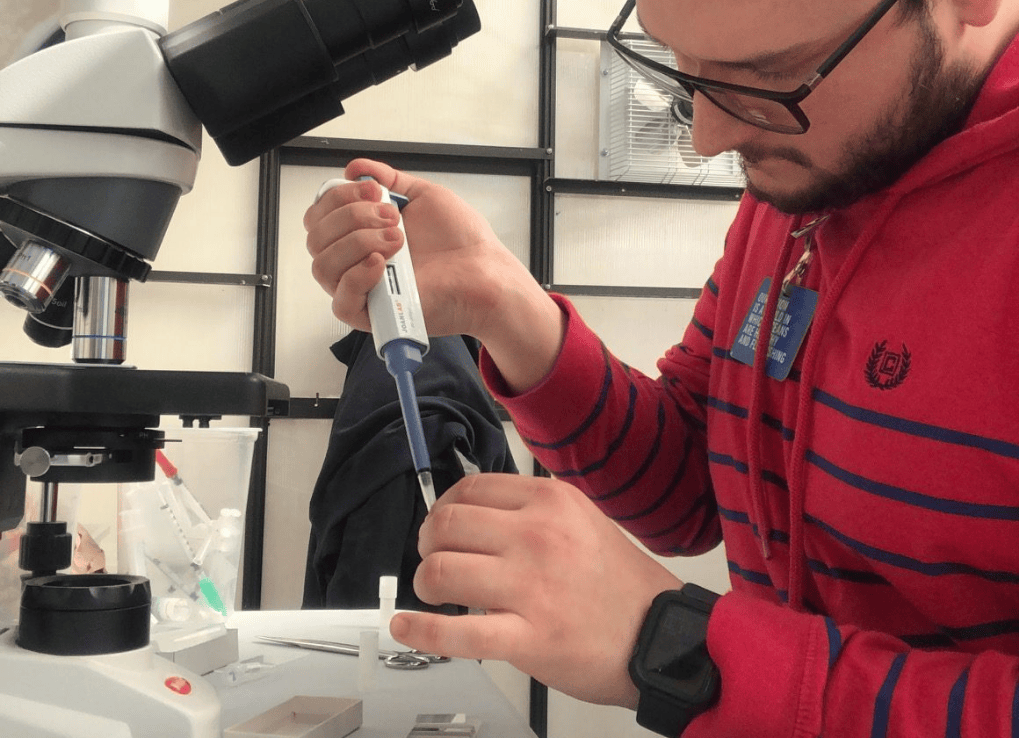
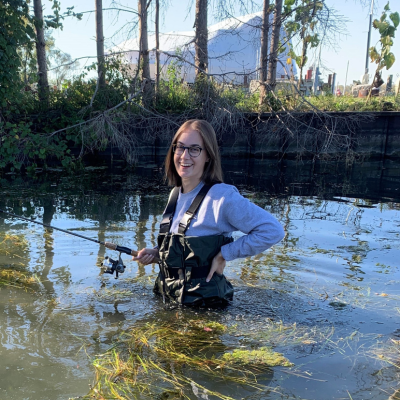
Of course, having the right facilities is only part of the story. Ex situ conservation consists of a complex network of facilities, techniques, organizations, experts, and partnerships that come together to give species the best possible chance of recovery. A diverse team of people with a variety of expertise will be involved in a project at different stages, from initial goal setting and logistics planning to implementation of daily operations, and eventually returning individuals to the wild, when appropriate. At this point, it has likely been years or even decades of collaborative efforts, and still the work doesn’t stop! To evaluate the success of reintroductions, this network will work together to coordinate long-term monitoring programs and communicate the importance of the work being done. Ex situ conservation depends on wildlife biologists, species experts, conservation geneticists, Indigenous and community knowledge holders, government representatives, field researchers and technicians, animal care workers, veterinarians, data scientists, volunteers, and science communicators. Each member of the team is crucial for the ultimate success of the project.
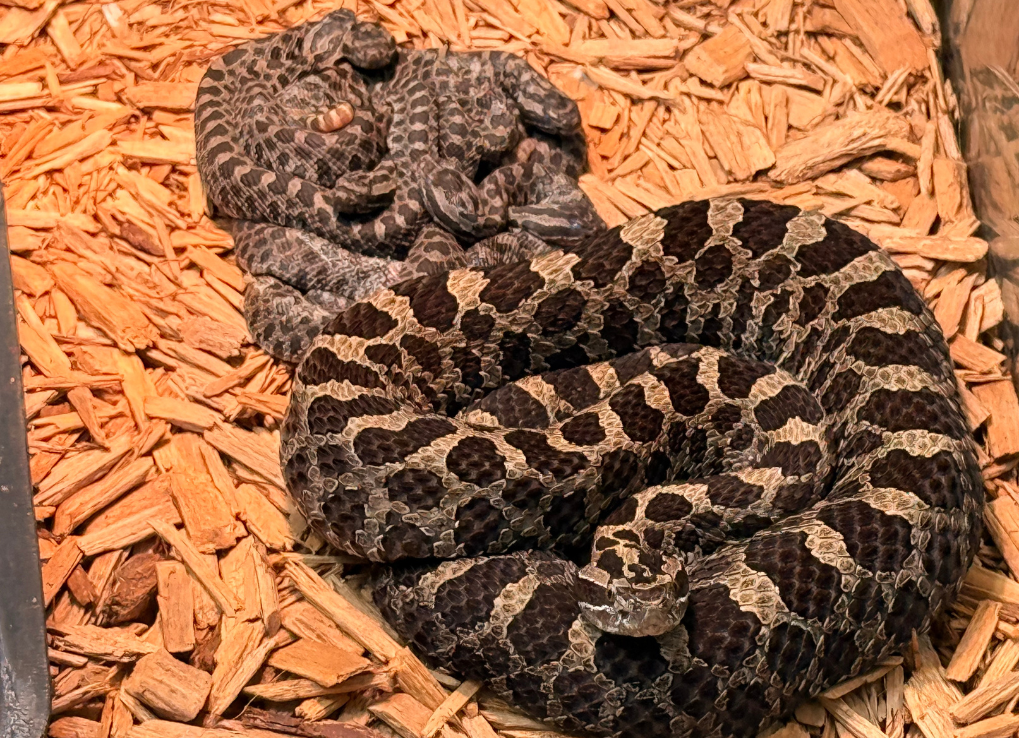
The importance of collaboration becomes especially clear when we look at WPC’s ex situ conservation work in action. Through many of our programs, WPC collaborates with a range of partners, including conservation breeding facilities, researchers, habitat management organizations, and local communities. This collaborative approach is central to WPC’s success, with an excellent example being WPC’s ongoing involvement in massasauga rattlesnake recovery. Once significantly more widespread across Ontario, this species now faces threats including habitat loss and road mortality, and experts recognize that protecting habitat alone is not enough to ensure long-term survival. This is where ex situ conservation comes in. WPC’s Ojibway Prairie Reptile Recovery Team (OPRREC) serves as on-site researchers and technicians, carrying out the day-to-day work of protecting and monitoring snakes, managing habitat, and reducing threats. This team is fortunate to be a part of a collaborative network of partners that share the same goal. The Toronto Zoo has maintained Massasaugas for decades, and other partners contribute to captive care and breeding. Various local community partners also contribute to this species’ recovery, through habitat stewardship, public education, and outreach. Together, these partners bring vastly different resources to the table, playing an essential role in the recovery of these snakes and allowing for the OPRREC team to successfully release captive Massasaugas back into the wild!