
Pollen and Bees Beelong Together
Patricia Prelich, a Master of Environmental Student at the University of Toronto, has partnered with Wildlife Preservation Canada to better understand the habitat requirements of at-risk bumble bees. For the last few years, WPC’s Bumble Bee Recovery team has been collecting pollen samples from bumble bee quees during spring surveys. Why did we collect all these samples and what do we do with them? Read on to learn more about the amazing work Patricia is doing to have save species at risk, in her guest blog.
By: Patricia Prelich
Although this season’s in-field research was halted with much of the rest of the world, the work being done to save our pollinators keeps on going! By examining the pollen collected by bumble bee queens, the Native Pollinator Initiative is able to better understand the habitat requirements of species at risk, such as Bombus terricola, the yellow-banded bumble bee.
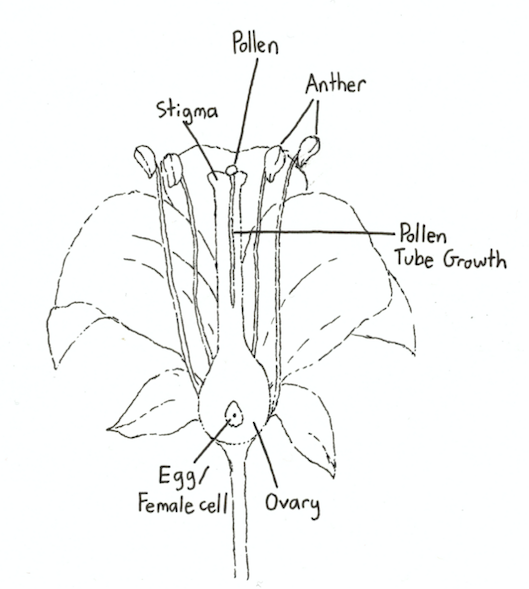
The relationship between flowers and pollinators is mutually beneficial. The rules are unspoken, and the flowers did not sign a contract with the bees. Flowers provide pollinators with access to nectar and pollen, which is vital to provisioning for their young. In return, pollinators transfer pollen from the anther (where the pollen is produced) of one flower, to the stigma of another flower. If the flower is of the same species, the stigma triggers pollen tube growth which facilitates the transfer of male cells to the plant ovary.

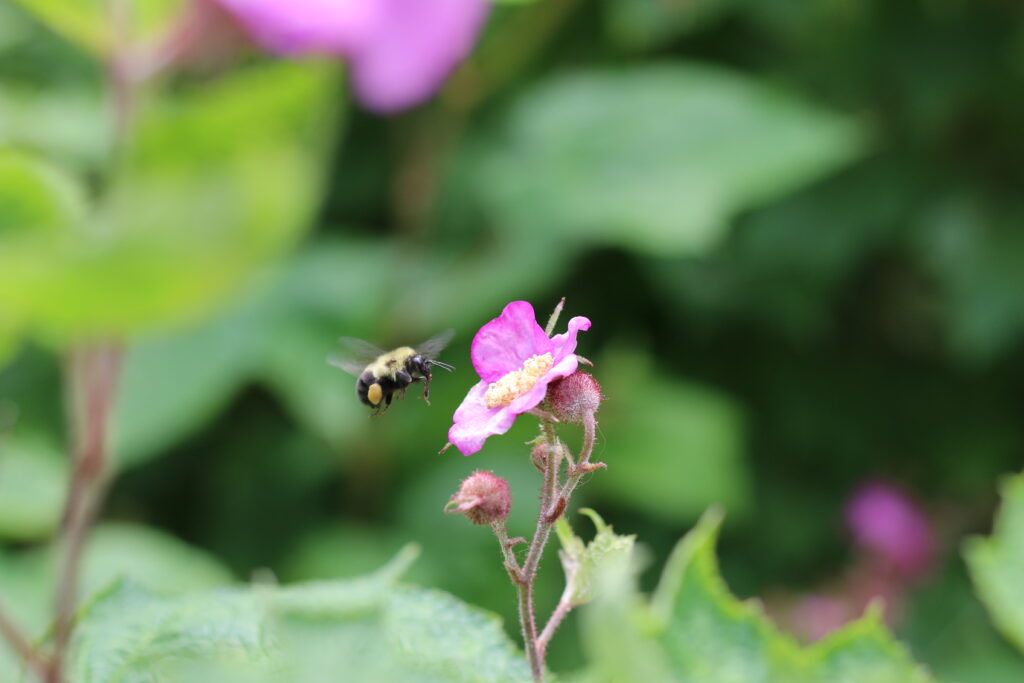
Morphology plays a special role in the interactions between bees and plants. The hairs on the legs of bees help them grasp pollen grains. Some species of bees also have a pollen basket, called a corbicula, on their tibia which allows them to efficiently store and carry pollen until they return to the nest. Many of the samples collected by the Bumble Bee Recovery team are actually taken from the corbicula of queen bumble bees!
Plants have their own mechanisms which help increase the chances of their pollen making it to another flower of the same species. Certain species of plants, such as those in the Asteraceae family, have echinate pollen, meaning their pollen has spines on the surface, which help the grains stick onto the hairs of bees. Some studies even show that the size of the grain and the presence of spines may make it more difficult for bees to pack the pollen into their corbicula. This increases the chances of the pollen making it to another flower, and not to the colony of the bumble bee.
The differences in pollen morphology among plant species makes it easier to identify samples. It also allows us to better understand the relationship between bumble bees and the species of plants which they frequent. With the power of a microscope, and many online resources to help with identification, we can work to create a database of information on Ontario flowering species and their pollen. This database can provide vital information on habitat requirements for species at risk, which can help guide conservation efforts and increase the chances of long-term species sustainability in the wild.
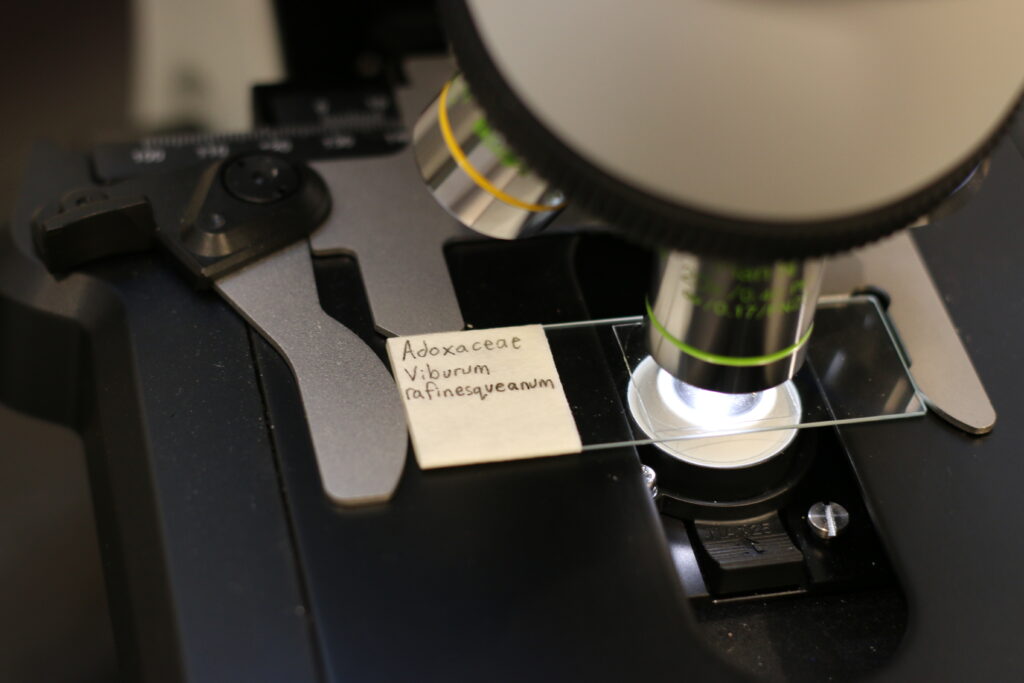
A sample slide containing the pollen of downy arrowwood (Viburnum rafinesqueanum), under the microscope. [© Patricia Prelich]

A variety of pollen grains from different species, under the microscope. Descending from left to right: giant ironweed (Vernonia gigantea), Jack-in-the-pulpit (Arisaema triphyllum), daylily (Hemerocallis sp.,) coriander (Coriandrum sativum), field pumpkin (Cucubita pepo), and creeping bellflower (Campanula rapunculoides). [© Patricia Prelich]