What’s on the inside: scanning amphibian body condition
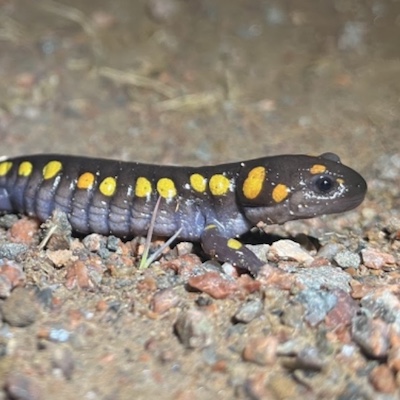
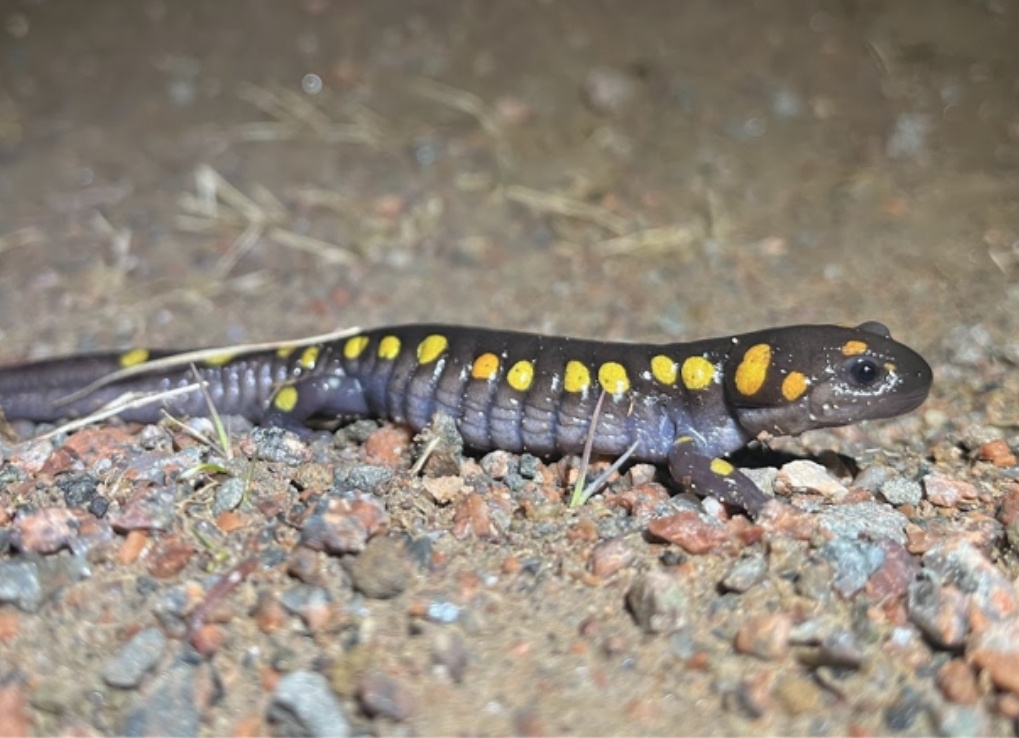
Posted onAugust 25, 2026byTaylor Gilbert| Photo: spotted salamander by J. Riley.
What is the Reptile and Amphibian Initiative? No other class of wildlife in Canada faces greater risk of extinction than reptile and amphibians. According to the Committee on the Status of Endangered Wildlife in Canada (COSEWIC), more than 40 amphibian and reptile species are currently threatened or endangered. More than a third of these species need some form of hands-on intervention to survive. Our national reptile and amphibian program develops and promotes best practices for four key conservation techniques: translocation, headstarting, conservation breeding and in-situ interventions. We will maximize the impact of groups across the continent that are working to protect these highly threatened species.
Body condition is a metric that ecologists and conservation biologists often use to assess the amount of energy reserves an animal has. An individual in good body condition is thought to have more energy reserves, like fat, than one with a poorer body condition. This metric – body condition – is valuable because it directly influences an animal’s survival and reproductive potential. It has also been found to relate to numerous aspects of animal biology and ecology, including being associated with foraging success, advantageous behaviour, increased immune function, and the ability to persist in physiologically challenging environments. Thus, knowledge of body condition and how it impacts a species’ fitness can aid current and future conservation efforts.
There are a few common ways to study body condition; each with their own advantages and disadvantages. Sometimes we use measures of the overall body length and weight of an animal and compare the relationship between these measurements to others from the population to approximate the amount of fat reserves they have (i.e., body condition indices). Yet, the use and suitability of this method for amphibians is questionable, as their weight can change drastically over short periods depending on their level of hydration. This means that body condition indices based on an amphibian’s weight are often an inaccurate way to quantify energy reserves. An alternative is measuring body composition, which involves measuring the amount of fat, lean muscle tissue, and water that makes up an animal’s body. This is a much more direct measure of an individual’s fat reserves. Traditionally, this has required the animal to be euthanized, and then a series of chemical methods are used to measure the various tissues; a process known as chemical carcass analysis (CCA). However, there is a new, non-lethal technology being used to quantify an animal’s energy reserves without these issues, called Quantitative Magnetic Resonance (QMR). The QMR works on the same basic principle as an MRI machine, but instead of generating a picture – like what you’d see in a hospital – this machine simply provides readings on how much fat, lean muscle mass, and water are in the individual. But, a limitation of this method is that QMR machines were originally built for mammals and medical research.
Yet, this method is being applied more and more in wildlife ecology and conservation. In this study, we are testing to see whether using a QMR machine, a non-invasive way to measure body composition, is a viable method for amphibians. Specifically, we studied mole salamanders (Ambystoma maculatum and A. laterale) and American toads (Anaxyrus americanus). Before being used to study new taxa, the QMR method requires validation and potentially calibration against traditional measures of body composition quantification, like CCA. So, in this study, after scanning each amphibian specimen in the QMR machine (these specimens were donated from other studies across Canada to minimize our impact), we then also completed CCA so that we can compare the measures of fat, lean, and water mass between the new and traditional methods. From this comparison, we can then assess whether this novel method accurately measures the body composition of amphibians.
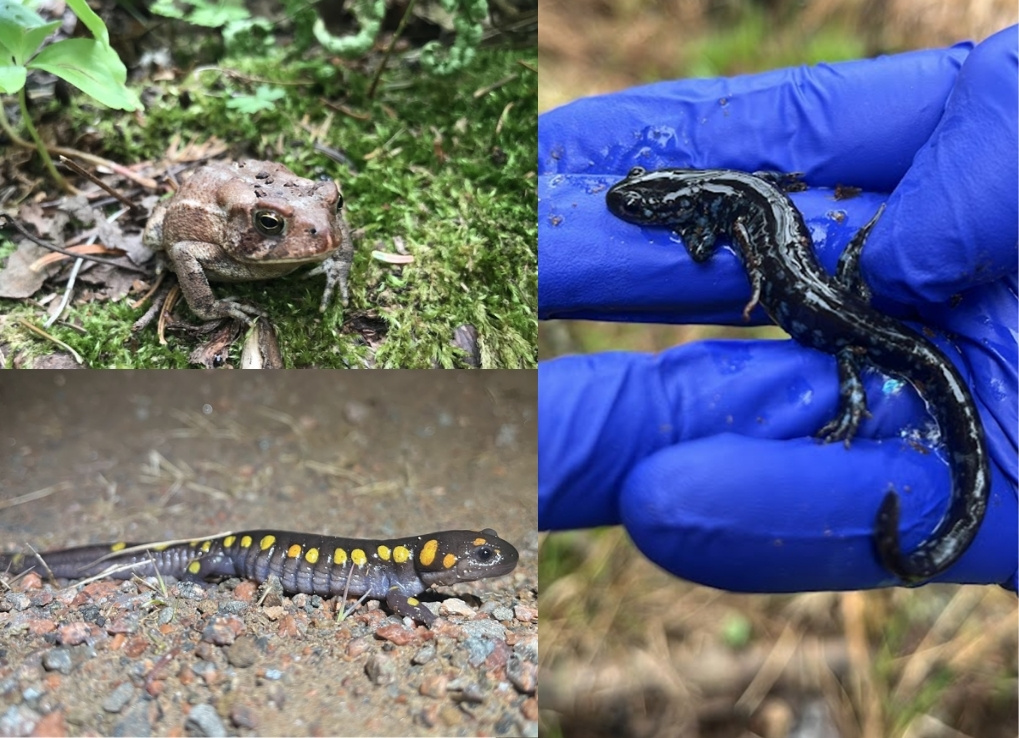
Pictured top left is an American toad (Anaxyrus americanus), bottom left is a spotted salamander (Ambystoma maculatum), and on the right is a blue-spotted salamander (Ambystoma laterale). Photos taken by J. Riley.
CCA is considered the standard approach for quantitatively determining body composition. This method involves desiccating a deceased specimen in a drying oven to determine water mass, then extracting fat from the specimen using a Soxhlet apparatus and petroleum ether, and then ashing the specimen, which leaves only mineral content. The weights after each step result in measures of water, fat, and lean muscle mass. Although CCA has been used to study body composition for many years, it has several disadvantages. One of the biggest is that it requires the euthanasia of animals. This limits its application ethically and prevents study of animals that are at risk. It also inhibits researchers from performing any long-term studies on the same individuals over time. Lastly, this method is restricted to lab-based studies, is time-consuming, and has more potential for human error that can impact the accuracy of the data.
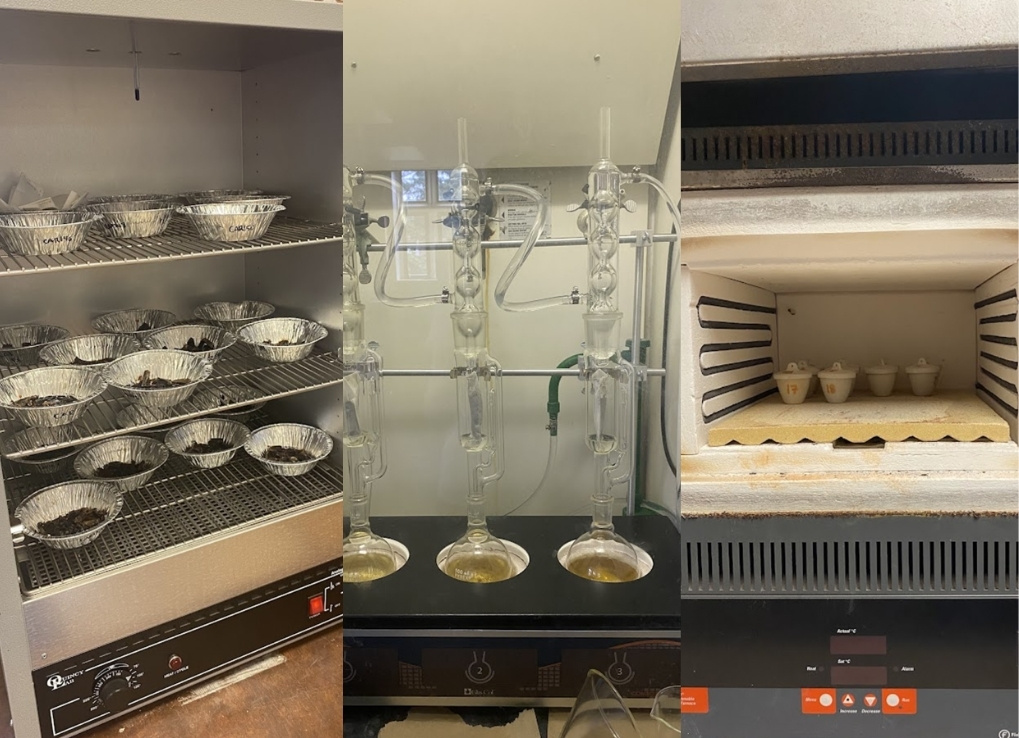
A drying oven, Soxhlet apparatus, and a muffle oven (left to right) that are all steps in chemical carcass analysis (CCA) to measure animal body composition. Photos taken by T. Gilbert.
The QMR method, however, does not have the same limitations as CCA. This machine measures the spin of hydrogen protons, which differs between body tissues. This process is called nuclear resonance relaxometry, and using it, a QMR machine can quantify fat mass, lean muscle mass, and water mass of animals. This method was created to measure body composition in rats and mice in medical research, but has been validated for use in wildlife that includes bats, birds, lizards, and snakes. Once a QMR machine is validated for a taxon, it is preferable for future studies because it is non-lethal. You simply place the animal inside one of the various-sized clear plastic tubes, place the tube inside the QMR machine, and start the scanning process that takes about a minute. Furthermore, the QMR machine gives exact measurements of tissue types, is easy to use, requires little training, and the process has less potential for human error. The QMR machine is also portable and thus can be wheeled into a mobile lab, enabling the use of this machine in the field, which minimises animal stress and provides a major advantage for researchers working with wild populations.
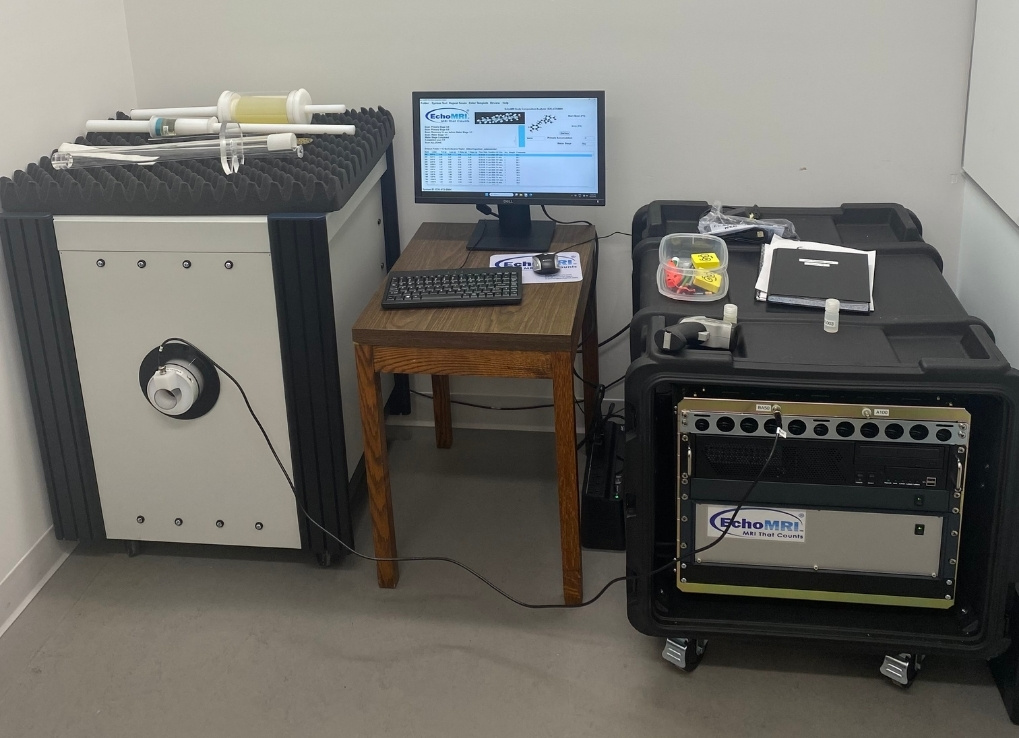
The Quantitative Magnetic Resonance (QMR) machine in RBG Labs. Photo taken by T. Gilbert.
One additional factor to consider when measuring body composition of an ectotherm (animals like reptiles and amphibians that rely on external sources of heat to stay warm) using QMR is temperature. This is because the QMR machine assumes the animal’s body temperature is that of a mammal. So, in this study, we also measured amphibians at four body temperatures (~3, 10, 20, and 30°C). We were able to complete this by vacuum-sealing specimens, placing them on ice, then adjusting their temperature using a water bath. Thus, we will be able to provide methodological best practices for using QMR to measure the body composition of amphibians in the lab and field that span a range of temperatures that one might expect of wild amphibians.
Overall, QMR is an exciting new technology that offers wildlife biologists an improved way to study the body condition/composition of animals more ethically in both the lab and the field. As body composition is closely related to animal fitness, it is beneficial for researchers to have simple, portable, and non-invasive technology to study animal energetics moving forward. We hope this study alongside the soon-to-be-calibrated QMR machine can help further amphibian research and conservation.
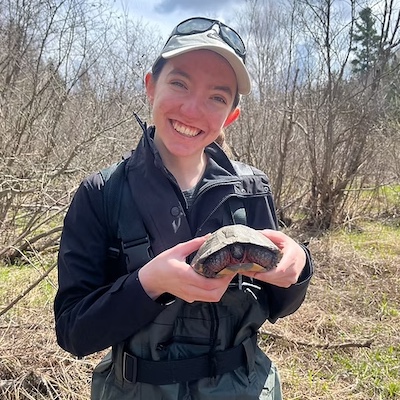
Taylor has always had a passion for science. She has been fascinated by experiments and discovering how things work from a young age. As her interests developed, she became especially interested in living systems and the biology of animals. This summer, Taylor is working at Mount Allison University on a project that is applying an innovative method for measuring body composition of animals to new species. Specifically, she is validating Quantitative Magnetic Resonance (QMR) by comparing its results to more traditional methods for a variety of Canadian amphibians and reptiles. Outside of academics and research, she enjoys watching Formula 1, reading, and playing hockey.
We need your help