
 https://wildlifepreservation.ca/wp-content/uploads/2026/03/EmergingIntoANewOpportunity_TCBFeedingslide_Thumbnail.png
400
400
Alyssa de Wit
https://wildlifepreservation.ca/wp-content/uploads/2014/04/WPC-Logo-2020-300x266.png
Alyssa de Wit2026-03-02 11:27:492026-03-05 09:48:37Emerging into a new opportunity
https://wildlifepreservation.ca/wp-content/uploads/2026/03/EmergingIntoANewOpportunity_TCBFeedingslide_Thumbnail.png
400
400
Alyssa de Wit
https://wildlifepreservation.ca/wp-content/uploads/2014/04/WPC-Logo-2020-300x266.png
Alyssa de Wit2026-03-02 11:27:492026-03-05 09:48:37Emerging into a new opportunityEvery dollar you give by 30 September will be matched! 30 September will be matched! 30 September will be matched!
Keep the wildlife wins coming in 2025 and beyond
When you contribute to WPC today, you’re saving Canadian animals from extinction, supporting the teams that run our vital recovery projects, and giving young people their first opportunity to learn what it takes to work with endangered species.
Each field season, we hire as many as 40 students and new grads to learn alongside our seasoned biologists. These enthusiastic individuals (have the opportunity) to help raise endangered turtle hatchlings to release into wetlands, breed rare butterflies, bumble bees, and frogs in our world-leading facilities, and rear and release songbirds and tag them to track their migrations.
With summer barely in the rear-view mirror, it’s hard to believe that we’re already thinking about the next breeding season. But it takes a lot of advance planning to make the most of those few, precious months.
Help us hit the ground running. The funds we raise today determine how many young biologists we can train in 2025 — the front-line field staff keeping endangered species alive in 2025 and far into the future.
The more people we have to do that intensive work, the bigger our impact and wins for wildlife.
And thanks to generous donors, every dollar you give by 30 September will be matched, amplifying your impact.
1

1
“My time with WPC has helped me immensely in my early career and has shown me that the impact I can make is not only with the species we work to save, but also in the lives and careers of those I work alongside. As Program Coordinator, I have learned that equipping young aspiring biologists with the positive attitude to persevere, along with the skills and knowledge to be effective in their roles, is just as important as the direct, hands-on work we implement to help our wildlife species.” – Cole Blair, Ontario Program Coordinator for the Native Pollinator Initiative
1

1
“Working with Wildlife Preservation Canada has been an incredible learning experience for me as a young biologist … The experience I have gained has inspired me and convinced me that I can contribute meaningfully to saving wildlife in Canada and beyond.” – Dana Stubbs, Conservation Technician for WPC’s Native Pollinator Initiative
Boost Canada’s conservation capacity for decades to come
By supporting these front-line heroes, you’re not just supporting one short-term project or one species. WPC is committed to doing so much more.
You’re producing the next generation of conservation biologists who will continue protecting endangered species wherever their careers take them: government ministries, universities or other conservation organizations.
You’re giving them skills they won’t learn anywhere else — how to stop and reverse the extinction of pollinators, frogs, snakes, songbirds and so many other species from disappearing forever.
It’s simple, really. The more young biologists you support, the brighter the future looks for endangered wildlife in Canada and around the world.
All donations are tax-deductible. And remember, when you give before 30 September, your gift will be matched!
Hear from our conservation heroes

Eric Jolin
Previous WPC biologist and New Noah
“Wildlife Preservation Canada was instrumental in guiding my course towards a career in conservation. From the tallgrass prairies and rock barrens of Ontario, to the tropical island of Mauritius, the skills I developed with WPC are what got me to where I am today. No other organization in Canada cares so much, both for species at risk and the people looking after them.”
Eric now works for the government, protecting vulnerable species in Ontario.

Andrea Fried
Shrike Recovery Field Intern
“Throughout my educational career, I’ve taken several courses that highlight the need for community communication, but this point was truly driven home during my placement with WPC’s Eastern Loggerhead Shrike Recovery Project. Effective communication and positive collaboration are imperative to our job in understanding and protecting Eastern Loggerhead Shrikes, as private landowners grant us access to their properties for our work. My time with WPC has inspired me to focus on communication and outreach in my future career in conservation. “
Andrea is a part of the University of Guelph Master of Wildlife Biology program, completing her placement with WPC in 2024. This experience has solidified her career direction in wildlife biology and has deepened her passion for working in this field.

Rachel Fallas
WPC Reptile and Amphibian Program Biologist
“Through WPC’s numerous collaborations with organizations, academics, communities and First Nations, I have learned about and been exposed to a variety of different approaches to wildlife conservation. As a result, I believe that I am better equipped with the knowledge to strategize effective solutions to conservation challenges that I will encounter in the future.”

Lakesha Smith
Napanee Shrike Biologist
“Working as a biologist for Wildlife Preservation Canada has opened my eyes to the challenges (e.g. habitat loss and nest predation) that species-at-risk, such as the Eastern loggerhead shrike, face. The experiences and memories I have made working with an endangered species have fueled my desire to pursue research; I want to learn more about the causes of species declines and find new solutions.”

Kathleen Woodhouse
Lead Field Technician for the Ojibway Prairie Reptile Recovery Program
“I started working with WPC as an intern straight out of university. I had little experience with field work and WPC gave me an opportunity to develop my skills as a young biologist, as well as allowing me to start my career into the field of conservation biology. I have since worked my way up the ladder from intern to Lead Field Technician while gaining valuable experience that will help me further my career as a conservation biologist. Working with endangered reptiles is not just a job for me, it is a passion that I get to experience through WPC. Thank you WPC for kick starting my career and feeding my passions as a young biologist.”

Stephanie Winton
Canadian Species Initiative Coordinator
“By supporting me in numerous opportunities for training and hands-on experience in endangered species conservation planning and management, WPC has well prepared me to make an impact for many species at risk in Canada. As part of WPC’s Canadian Species Initiative, I am equipped with the tools to guide teams in developing effective conservation plans and have had the opportunity to work on projects for a wide range of species including some of the rarest plants in Canada, migratory songbirds, and all of our native snakes. Conservation planning can turn the tide for threatened species by improving collaboration and action; WPC’s recognition of the value of planning, and faith in me, ensures that we will do our part to meet the challenge of the global biodiversity crisis here in Canada.”
See what they’re doing in the field
https://wildlifepreservation.ca/wp-content/uploads/2026/03/EmergingIntoANewOpportunity_TCBFeedingslide_Thumbnail.png
400
400
Alyssa de Wit
https://wildlifepreservation.ca/wp-content/uploads/2014/04/WPC-Logo-2020-300x266.png
Alyssa de Wit2026-03-02 11:27:492026-03-05 09:48:37Emerging into a new opportunity https://wildlifepreservation.ca/wp-content/uploads/2025/07/2025MODU_OwenTapiaBlog_Thumbnail.png
400
400
Owen Tapia Daly
https://wildlifepreservation.ca/wp-content/uploads/2014/04/WPC-Logo-2020-300x266.png
Owen Tapia Daly2025-07-23 15:09:052025-07-23 15:50:30Wings in the wild
https://wildlifepreservation.ca/wp-content/uploads/2025/07/2025MODU_OwenTapiaBlog_Thumbnail.png
400
400
Owen Tapia Daly
https://wildlifepreservation.ca/wp-content/uploads/2014/04/WPC-Logo-2020-300x266.png
Owen Tapia Daly2025-07-23 15:09:052025-07-23 15:50:30Wings in the wild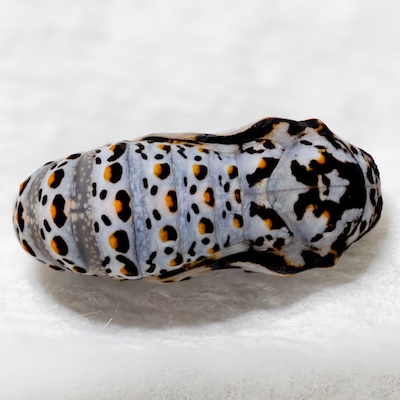 https://wildlifepreservation.ca/wp-content/uploads/2025/06/TCB-chrysalis_JAthwal_THUMBNAIL.jpg
400
400
Jag Athwal
https://wildlifepreservation.ca/wp-content/uploads/2014/04/WPC-Logo-2020-300x266.png
Jag Athwal2025-06-16 06:00:472025-06-16 12:41:50Transformation underway
https://wildlifepreservation.ca/wp-content/uploads/2025/06/TCB-chrysalis_JAthwal_THUMBNAIL.jpg
400
400
Jag Athwal
https://wildlifepreservation.ca/wp-content/uploads/2014/04/WPC-Logo-2020-300x266.png
Jag Athwal2025-06-16 06:00:472025-06-16 12:41:50Transformation underway