Emerging into a new opportunity
Posted onMarch 2, 2026byAlyssa de Wit|Fraser Valley Wetlands, News and Events, Oregon Spotted Frog, Pollinators, Taylor's Checkerspot, Western Painted Turtle
What are the B.C. Recovery Programs? In the wetlands of B.C.’s Fraser Valley, western painted turtles face numerous challenges as eggs and hatchlings, with high predation rates, habitat loss and fragmentation, and no parental care once hatched leading to unsustainable populations. Since 2012, we’ve been improving their survival odds by protecting nests, collecting vulnerable eggs, artificially incubating them, and head-starting new hatchlings for release back into the wild. Similarly, the Taylor’s checkerspot butterfly, an endangered keystone species and environmental indicator, was once thought to have disappeared from Canada until its rediscovery in 2005 on Denman Island. Since then, WPC has focused on building its wild population in B.C. through conservation breeding and habitat restoration efforts.
Together, these initiatives aim to enhance the survival of both species in their ecosystems. The Greater Vancouver Zoo supports both of these programs through facilities and collaborative expertise.
Walking into the turtle lab, I was overwhelmed by one thing: fog! Only because it was a cool morning and I wear glasses, and if you know anything about housing turtles, you’ll know they are kept in a warm, humid environment. Once my vision began to clear, the work began.
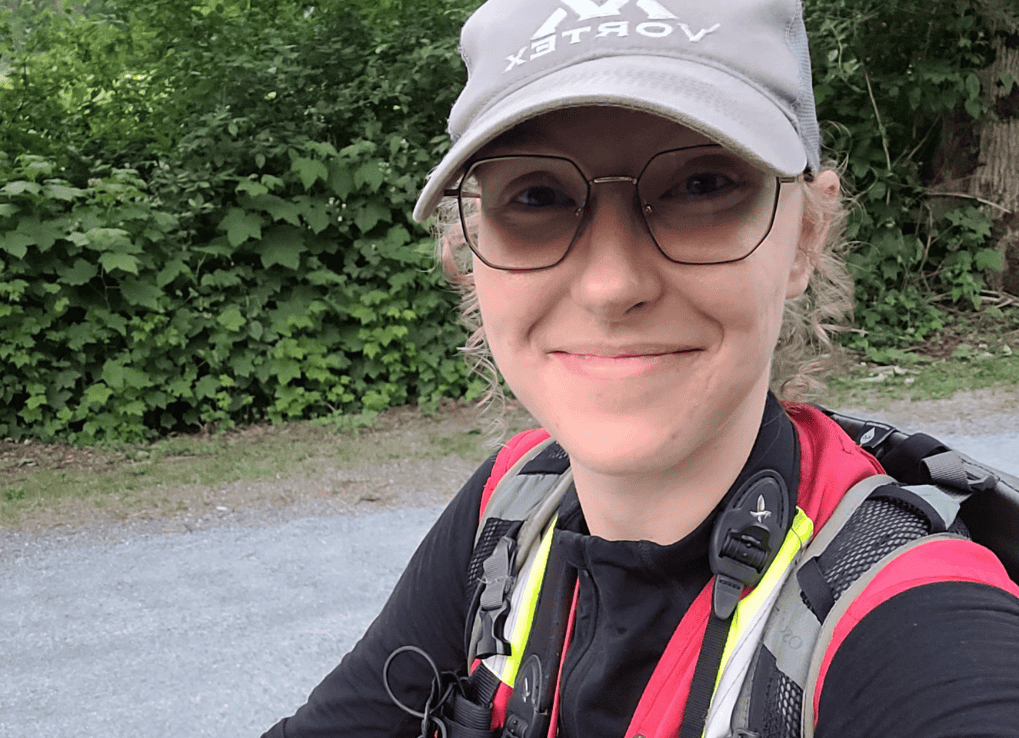
My name is Alyssa de Wit, and I am the new B.C. Projects Conservation Assistant supporting the conservation of the Oregon spotted frog, Taylor’s checkerspot butterfly, and western painted turtle. I previously worked with WPC in the summer of 2025 as a turtle nest monitor in Chilliwack. I am enthusiastic about expanding my hands-on experience with these endangered species, assisting with breeding, incubation, release, and more!
It can be fun to start a new job at the beginning of the year; new work, new experiences, new me! However, depending on the species, starting in February means many individuals are sleeping. The dozen adult turtles, including Tutu, and Oregon spotted frogs brumate (a form of hibernation in cold-blooded animals) from around October to March in the fridge and outdoor tubs, respectively; read “The coolest winter destination” blog for more information. Taylor’s checkerspot butterflies undergo diapause (dormant phase) as larvae from September to February. However, though many may be sleeping, that doesn’t mean that we are!
Last year, 250 hatched western painted turtles were kept for head-starting, during which they eat and grow in the winter to better protect themselves from predators once released. One of the first tasks I was taught was feeding and cleaning the turtles. A variety of foods, including bloodworms, crickets, krill, shrimp, and sole fillets, are fed every morning. Once the turtles are satiated, cleaning commences!
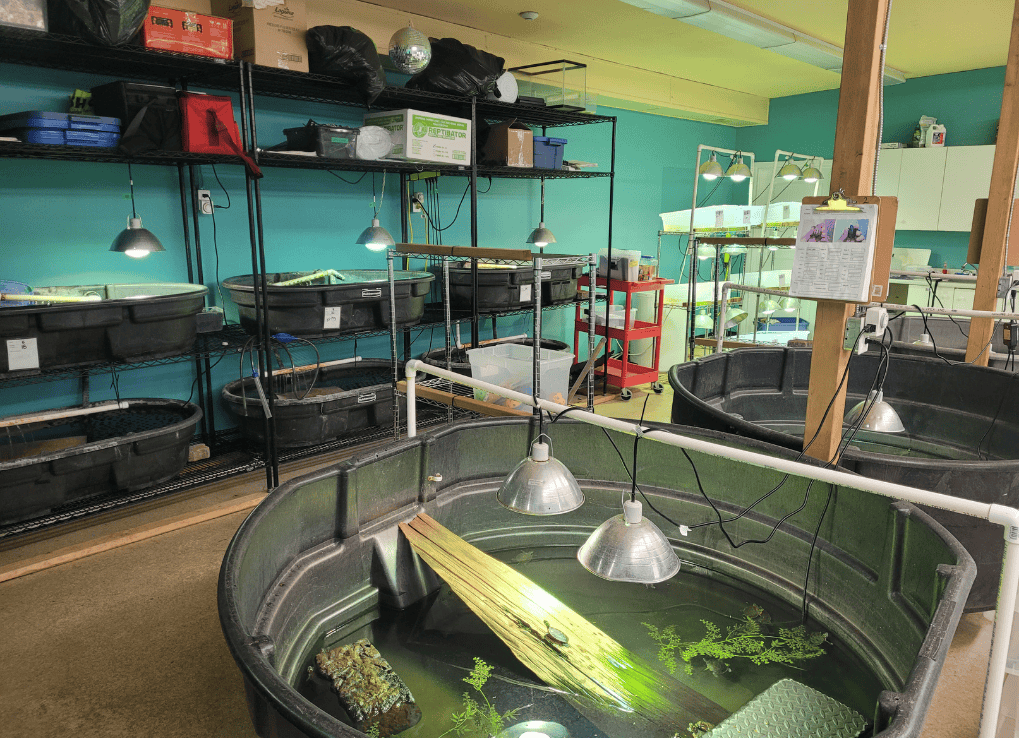
Size determines the appropriate housing for the turtles (see above). Clear, rectangular tubs stacked on shelves are used for the smallest turtles; biofilters lining the edge of the room, consisting of two tubs: one with turtles and the other to circulate and heat the water; and large round tubs for the turtles over 30 grams waiting to be released. Every day, each tub is either siphoned or netted to remove excrement and any remaining food. All tubs are also deep cleaned periodically, with all water removed and scrubbed.
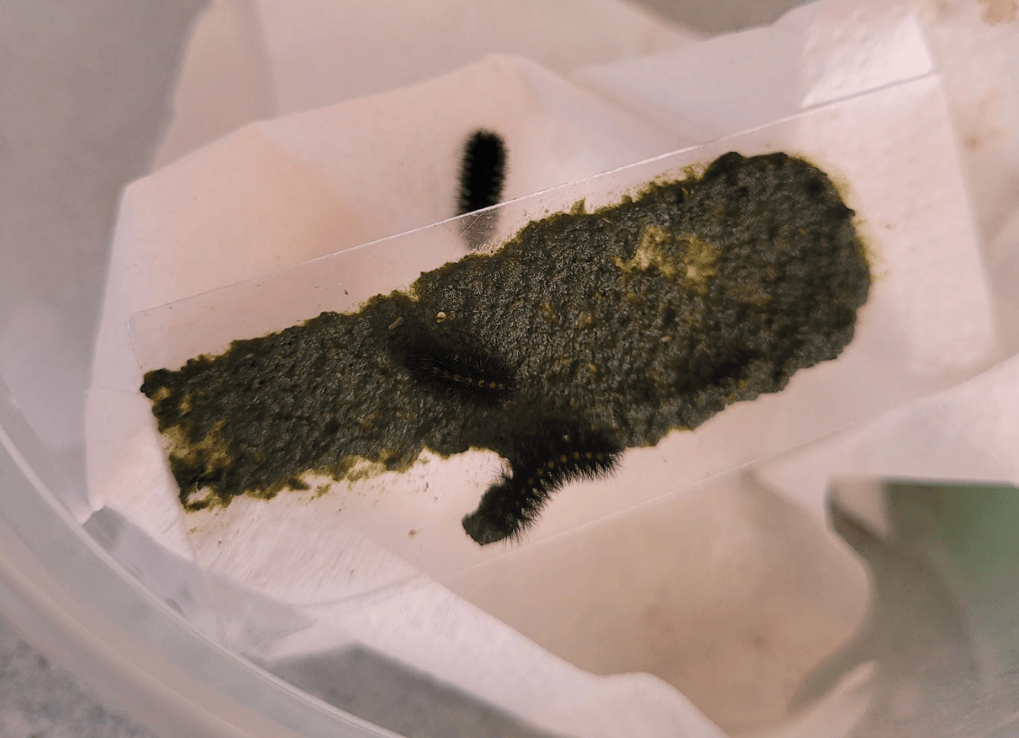
Taylor’s checkerspot butterflies overwinter as larvae; they begin waking up in mid-February as temperatures rise. In winter, due to the limited supply of fresh plantain, a prominent food given to the caterpillars, we use freeze-dried plantain, which is mixed with water to create a paste, then smeared onto a microscope slide (pictured above). This seemed to be just what the caterpillar ordered!
Wildlife Preservation Canada has been working over the last 40 years to save animals at risk in Canada. They use science-based techniques such as conservation breeding and release, reintroduction, and translocation for reptiles, amphibians, birds, insects, and mammals. In 2025, through WPC’s efforts, 8,852 animals were bred in conservation facilities, and 4,661 individuals were released into the wild. This year, I am enthusiastic about the conservation efforts that lie ahead and the milestones that can be achieved!
Alyssa was a western painted turtle nest monitor in 2025 and is excited to expand her knowledge and experience with the Oregon spotted frog and Taylor’s checkerspot butterfly as a conservation programs assistant. Alyssa has a BSc from UFV and has worked predominantly in endangered species breeding, monitoring, and education. She worked for 5+ years in spotted owl recovery and, in 2024, in grassland bird conservation in Ontario. In 2023, Alyssa road-tripped through New Zealand and volunteered at a rehabilitation centre in Australia for kangaroos, wallabies, wombats, and more.

We need your help