Quest for queens
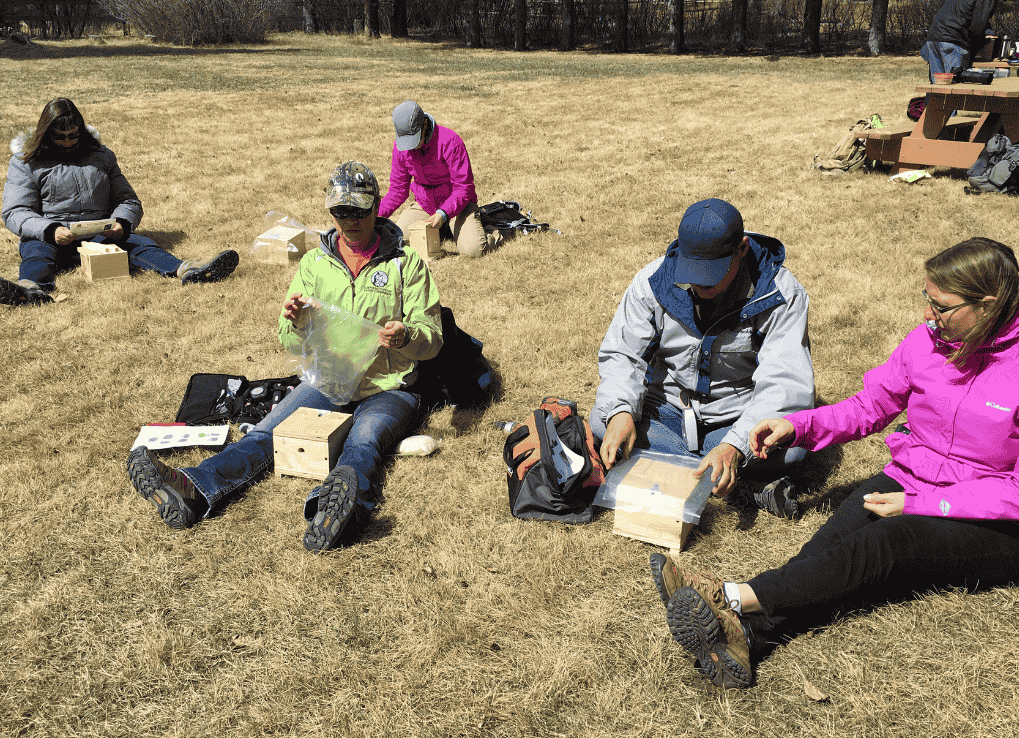
Posted onApril 27, 2017bySarah Johnson|News and Events, Pollinators, Yellow Banded BumblebeePhoto: volunteers at Glenbow Ranch Provincial Park, near Calgary, Alberta construct bumble bee nest boxes.

What is the Bumble Bee Recovery Program? Since the 1990s, bumble bee numbers have been plummeting, and that spells ecological disaster. Ninety per cent of all flowering plants — including most of the fruits and vegetables in your fridge — need these pollinators in order to reproduce.
Until the causes of these declines can be reversed, conservation breeding and reintroduction is the only way to safeguard at-risk bumble bees. Today, WPC is the only organization in Canada rebuilding wild bee populations through conservation breeding. Thanks to recent breakthroughs, we’ve figured out how to dramatically increase the number of queens we produce. Once they’re released into the wild, they can establish their own colonies, producing hundreds of pollinators to sustain the ecosystems around them.
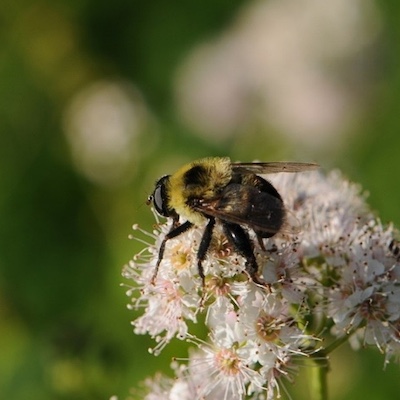
Canada is home to 40 native species of bumble bee, including the special concern yellow-banded bumble bee (Bombus terricola) and threatened western bumble bee (Bombus occidentalis). Since 2013, Wildlife Preservation Canada has been working to conserve declining pollinators through monitoring, research, conservation breeding, and education. In preparation for the arrival of our 5th spring field season, the Native Pollinator Initiative team has been feverishly preparing for the long-awaited emergence of bumble bee queens!
Though out March and April, Lead Biologist Sarah Johnson and Field Biologist Hayley Tompkins have been building the buzz through the construction and deployment of 196 bumble bee colony nest boxes, set out at 14 different locations across Ontario. At the end of April, Sarah and Alberta Program Coordinator Jenn Retzlaff led approximately 50 volunteers of all ages in the deployment of 90 additional nest boxes at Glenbow Ranch Provincial Park near Calgary, Alberta. Both pilot studies will test the viability of using boxes for bumble bee monitoring and habitat quality assessment. Though proven effective for use in bumble bee research, colony nest boxes have never before been tested as a conservation tool. Through the installation of nest boxes at sites historically occupied by at-risk species, including the yellow-banded bumble bee and western bumble bee, we hope to shed light on possible applications of this technique within our current bumble bee recovery programs. These research projects, led by both professional researchers and citizen scientists, will give us a unique opportunity to learn more about the nesting requirements of native bumble bees, and delve into the possibility of more closely monitoring wild populations of declining species.
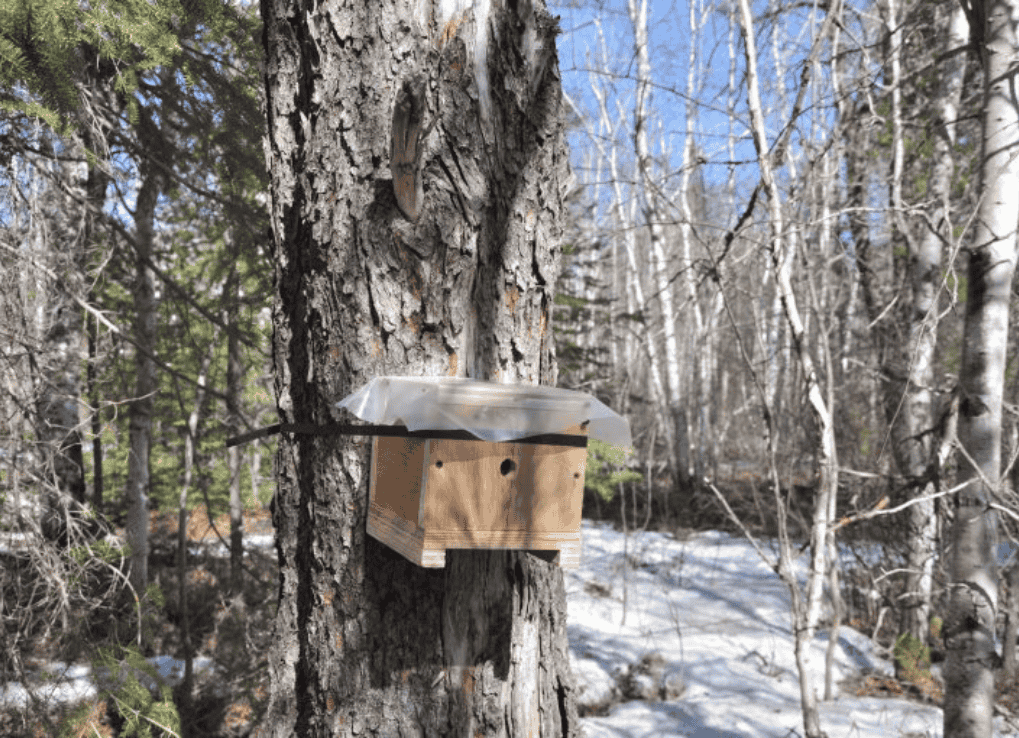
Bumble bee nest box installed at Ontario location.
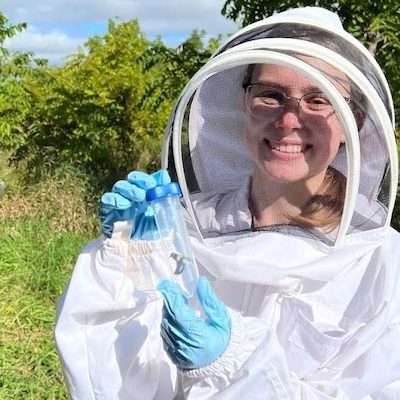
As of the third week of April, Canadian bumble bee season 2017 has officially begun! Our Ontario team has just recently started spring surveys – two summer students have joined the initiative, and together we have already observed 5 different bumble bee species, including the collection of our first conservation breeding queen! We are hopeful that within the coming weeks we will find and collect up to 50 yellow-banded bumble bee queens for our breeding program, building on last year’s breakthrough successes. In Alberta, while installing nest boxes, our Alberta team spotted 3 different bumble bee queens on the hunt for nesting sites. Hopefully they find the nest boxes set out by our hard-working volunteers agreeable! The excitement continues to build within our multiple pollinator conservation projects – spring is definitely our favourite time of year.
And now we wait… How many yellow-banded bumble bees will we find? Will our colony nest boxes in Ontario and Alberta be occupied by wild bumble bees? Occupied by an at-risk species or two? Only time will tell.

First yellow-banded queen collected in 2017 for conservation breeding.
Hayley has worked for the Native Pollinator Initiative in a variety of roles since 2016, and has had a passion for bumble bees ever since. Currently, she is completing a Master of Science degree at the University of Guelph, and is excited to be working as the Ontario Program Coordinator for the Native Pollinator Initiative.
Sarah Johnson is the lead biologist for Wildlife Preservation Canada’s Native Pollinator Initiative.
We need your help