French
Home
Blog
About Us
2024 Impact Report
About Us
Meet our people
Our donors and supporters
WPC in print
Staff Photo Contest 2025
Species in need
Birds
Mammals
Insects
Reptiles & Amphibians
Programs
Canada’s New Noah
Conservation Planning
Birds
Mammals
Native pollinator initiative
Reptiles and amphibians
Get involved
Bumble Bee Community Science
Donate
Leave a Legacy
Give monthly
The Meadow
Work with us
Resources
Newsroom
Classroom Resources
WPC Webinars
Bumble Bee Resources
Contact
Donate
Search
Menu
Menu
Donate
Get Involved
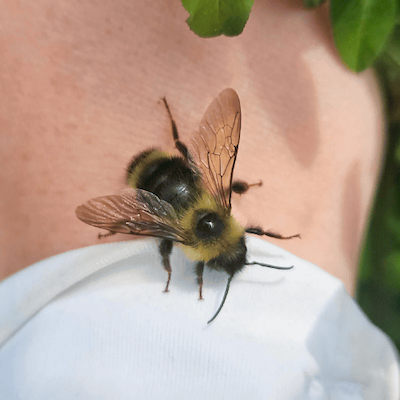
Pollination powerhouse not pest
Celebrity sighting
The unsung pollinators of Ontario
Wings in the wild
Bee-yond the microscope
Surveying bumbles in transient landscapes
Transformation underway
Recent research confirms: pollinators need our help
Everything you didn’t know about pollination and why bumble bees are the real MVPS
FREED: empowering BIPOC students for a future in ecology Part 2
How to feed a bumble bee colony
FREED: empowering BIPOC students for a future in ecology Part 1
Where are they now?
Catching queens: a new kind of fieldwork
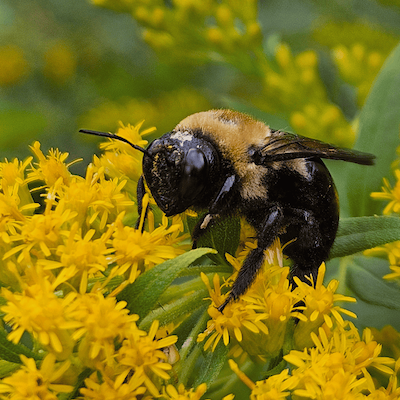
A day in the life of endangered bumble conservation: Carpenter bees are not bumble bees!
Saving an Ontario butterfly
Adventures in Taylor’s Checkerspot Butterfly Surveys
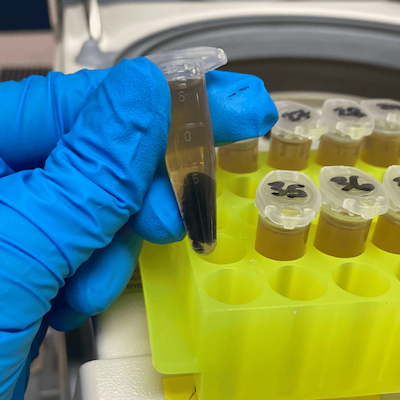
Scat Scrutiny: Analyzing bumble bee poop
Ontario’s first butterfly reintroduction: a conservation success story
Waking the bumbles
Eight years of community science at the Pinery
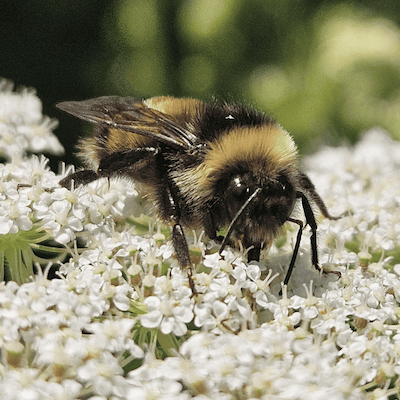
Understanding cuckoo bumble bees: terrors or treasures?
The challenges of breeding at-risk bumble bees and butterflies
Record-breaking turtle nest laying for 2023
Nurturing nature’s shells: A journey into sick and injured turtle rehabilitation
A break from the butterflies
Saving endangered butterflies – on beyond monarchs
Big bumble breeding breakthroughs
What is the difference between butterflies and moths?
What is the difference between bees, flies and wasps?
A decade of bumble bee surveys: Part 1 – Who, when, where, how?
Healthy bees are well-fed bees
Saving native bumbles – in the field and in the lab
What is the best part of being a Bumble Biologist?
Stumped: Why do bumble bees need forests?
Early emerging bumble bee species to look out for this spring
Top five highlights of the bumble bee season
Beyond workers: mating and overwintering bumble bees
Bumble bee field work: when a generalist meets a specialist
How are the bumble bees doing in southern Ontario?
What insects are bees?
You don’t always find the bees that you’re looking for
A bumble bee’s journey
What are the differences between honey bees and bumble bees?
Going Lawnless for Native Pollinators
The Beauty of the Butterfly
Time flies! Three years at Glenbow Ranch
One Way or another! A search for Ontario’s bumble bees
Contributing to Community Science: One Volunteer’s Experience in Bumble Bee Conservation
Flying under the radar: encountering bumble bee mimics in the field
Scroll to top
 Scroll to top